
Ondili and Ecological
Responsibility
Conservation through responsible tourism
The Ondili Group places the highest value on ensuring that the operation of Ondili Lodges results in nature conservation. This commitment is both the foundation and the driving force of the Ondili Group.
- Since its inception, the Ondili Group has invested its entire annual profit into the creation and maintenance of the Ondili nature reserves.
- For every guest room at an Ondili Lodge, the Ondili Group creates at least 1,000 hectares (10 km²) of new nature reserve in Namibia and maintains these areas permanently.
- All lodges generate their electricity and hot water locally via their own solar systems, except on cloudy days or during maintenance.
- Vegetation and herbs are produced on-site at almost all locations.
- The local population benefits from the creation of jobs in the nature reserves and in the ecological-agricultural sector. For every three jobs in tourism, Ondili creates one job in nature conservation.
- Firewood for the Ondili Lodges is sourced from the nature reserves as part of necessary bush clearing measures.
Ondili maintains and develops nature reserves in various regions of Namibia.
In 2027, Ondili will hand over its nature reserves to the specially founded non-profit company “Wildland Nature Reserves.”
Wildland Nature Reserve
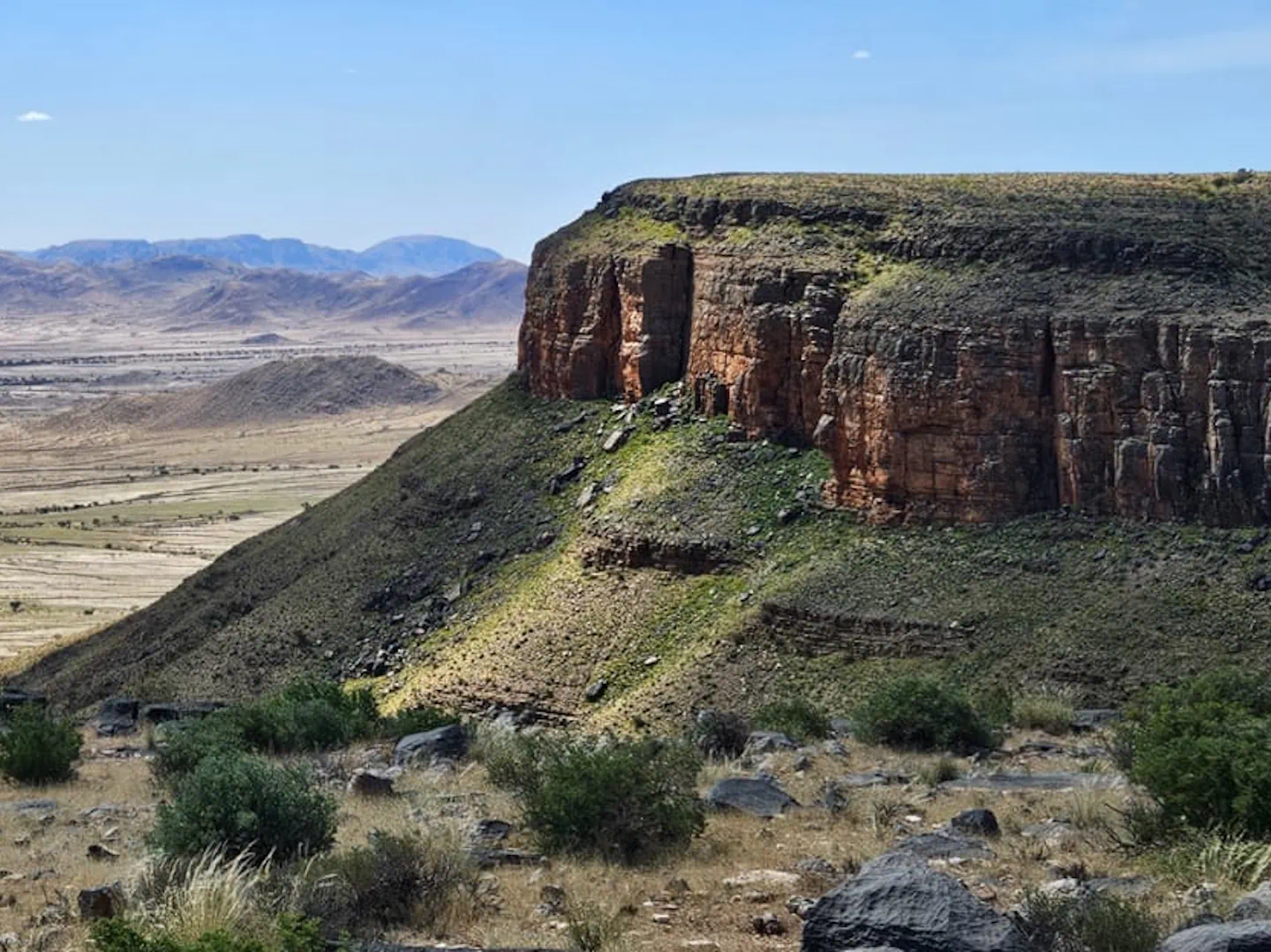
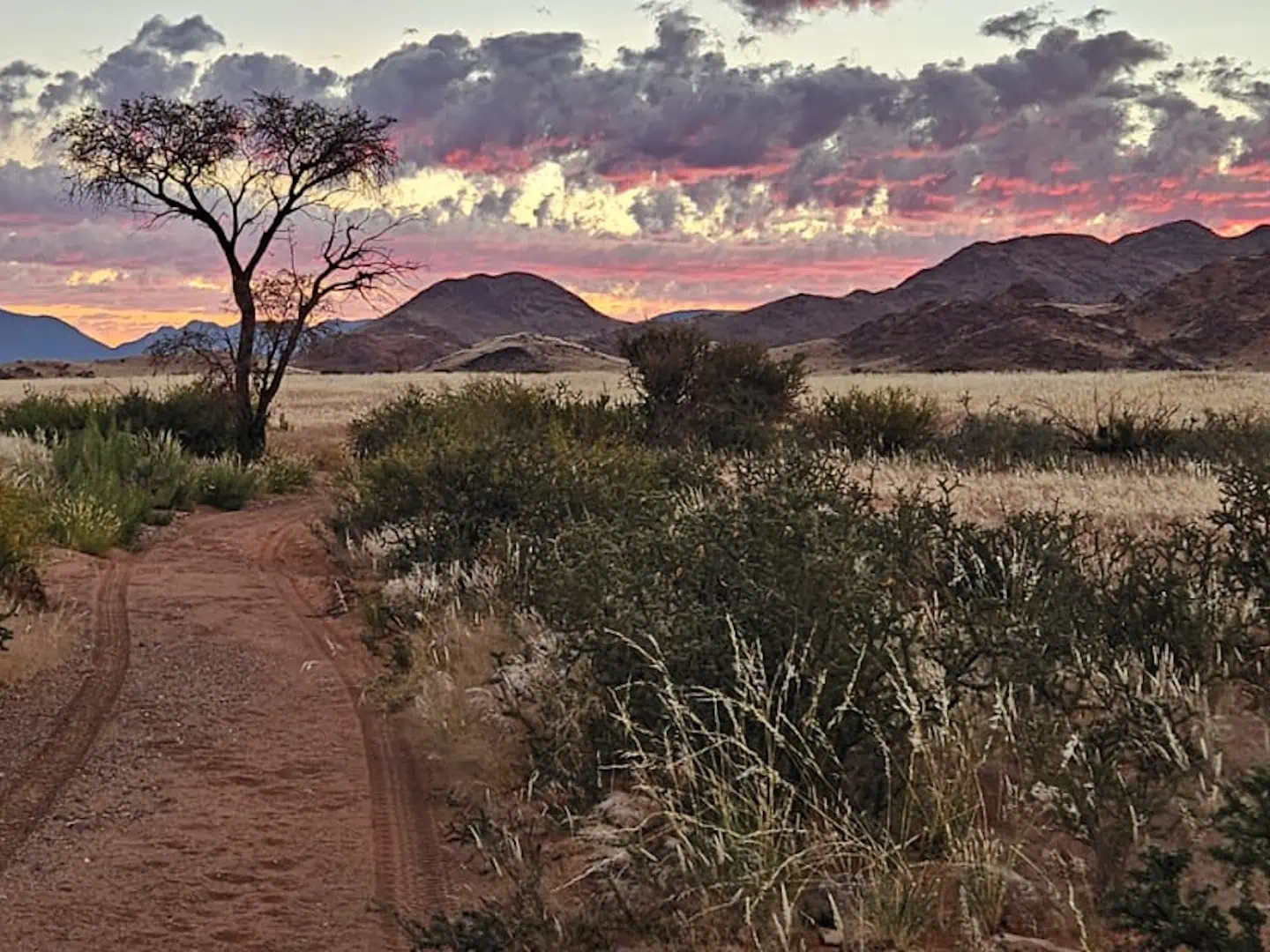
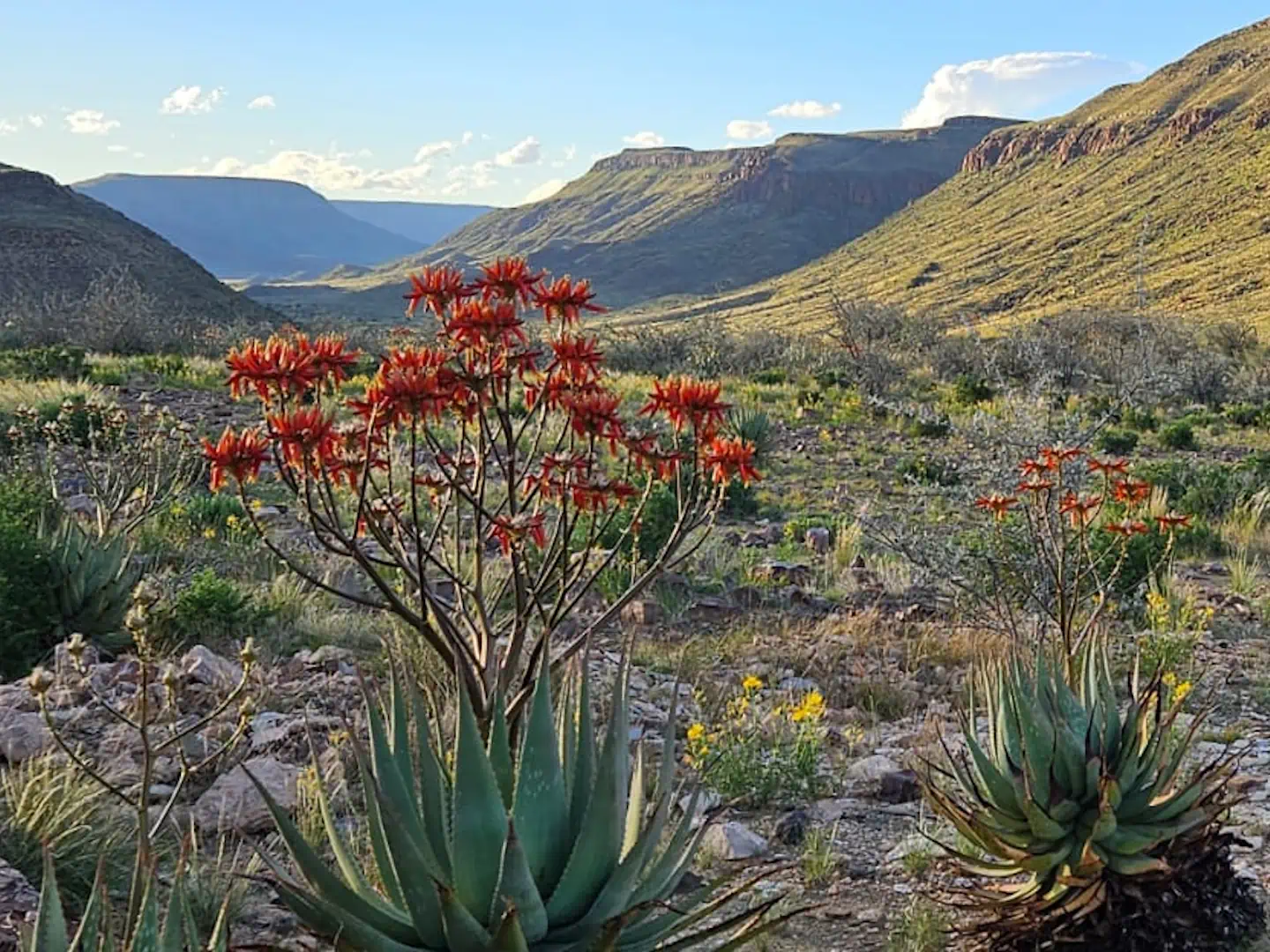
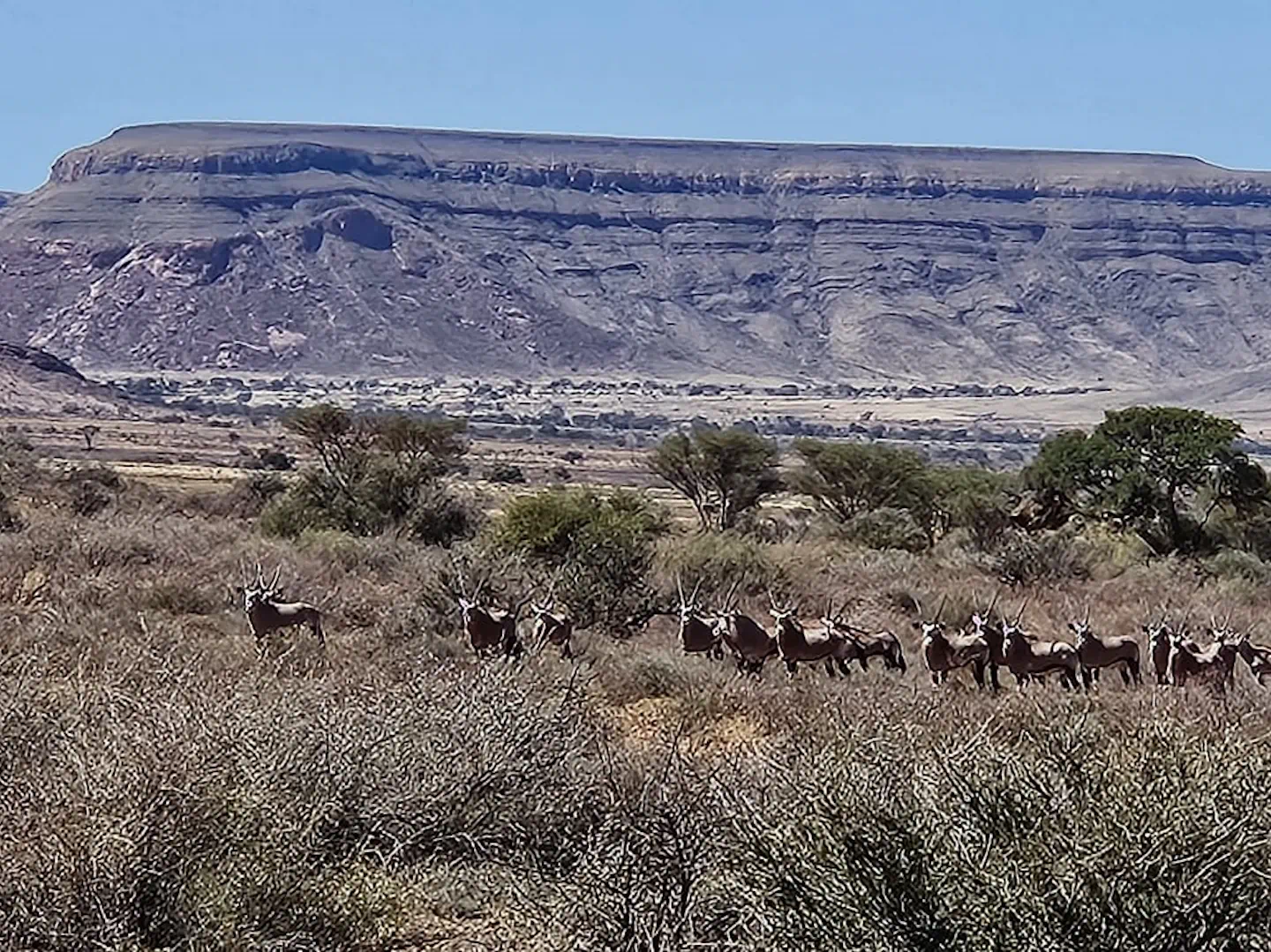
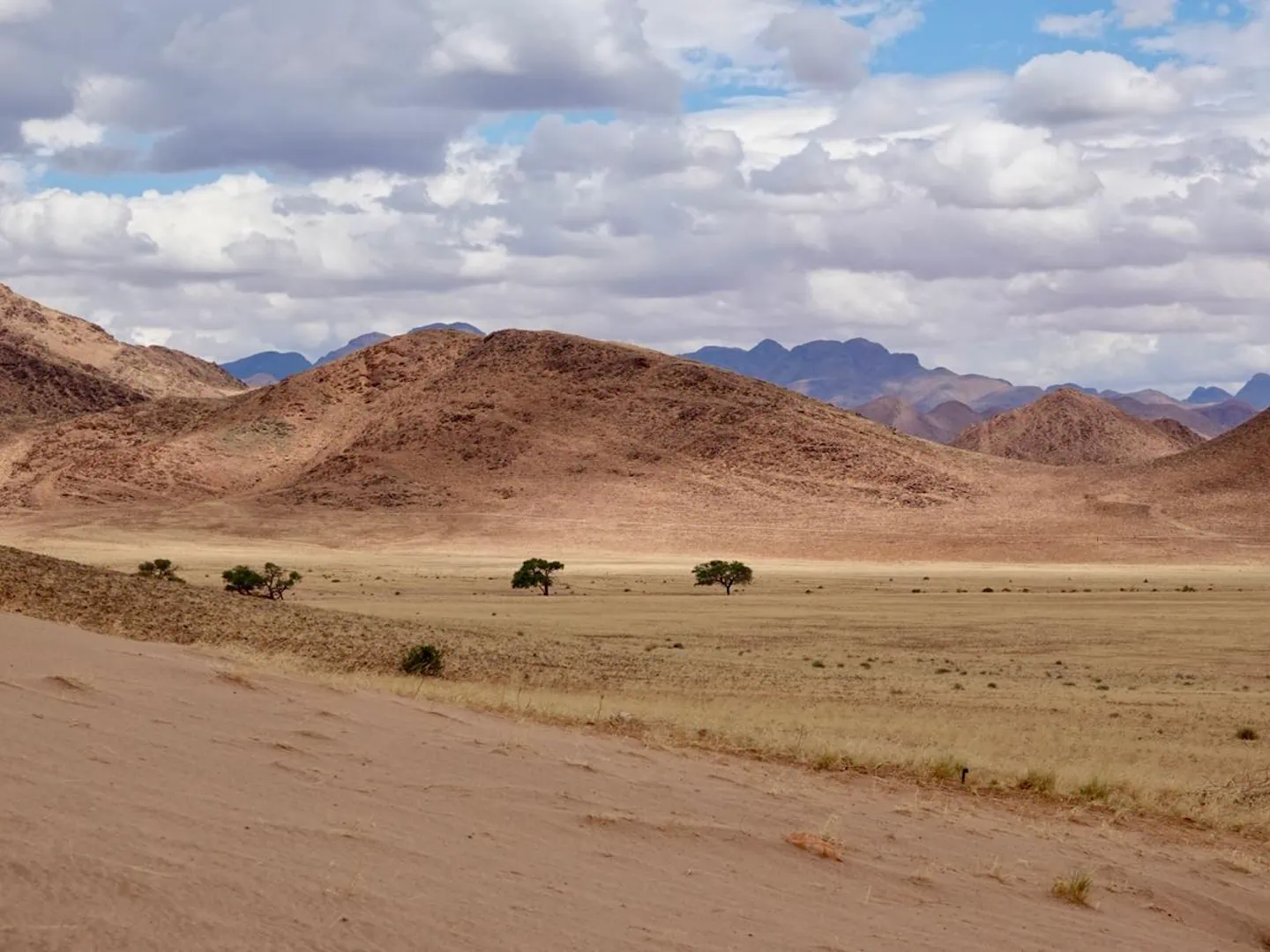
Wildland Nature Reserves
“Wildland Nature Reserves” is a non-profit NGO (Non-Governmental Organization) registered in Namibia under the Companies Act (Section 21). Its mission is to operate, preserve, and further develop existing and future areas for the purpose of nature and, in particular, species conservation in Namibia. In 2027, Ondili will hand over its five existing conservation areas to “Wildland Nature Reserves” for operation.
They will be listed under the following names:
Wildland Kalahari
Wildland Namib Tsaris
Wildland Erongo
Wildland Etosha
Wildland Waterberg
As an example of the development of a nature reserve, the largest project founded by Ondili, the “Wildland Namib Tsaris” Nature Reserve, is presented here.
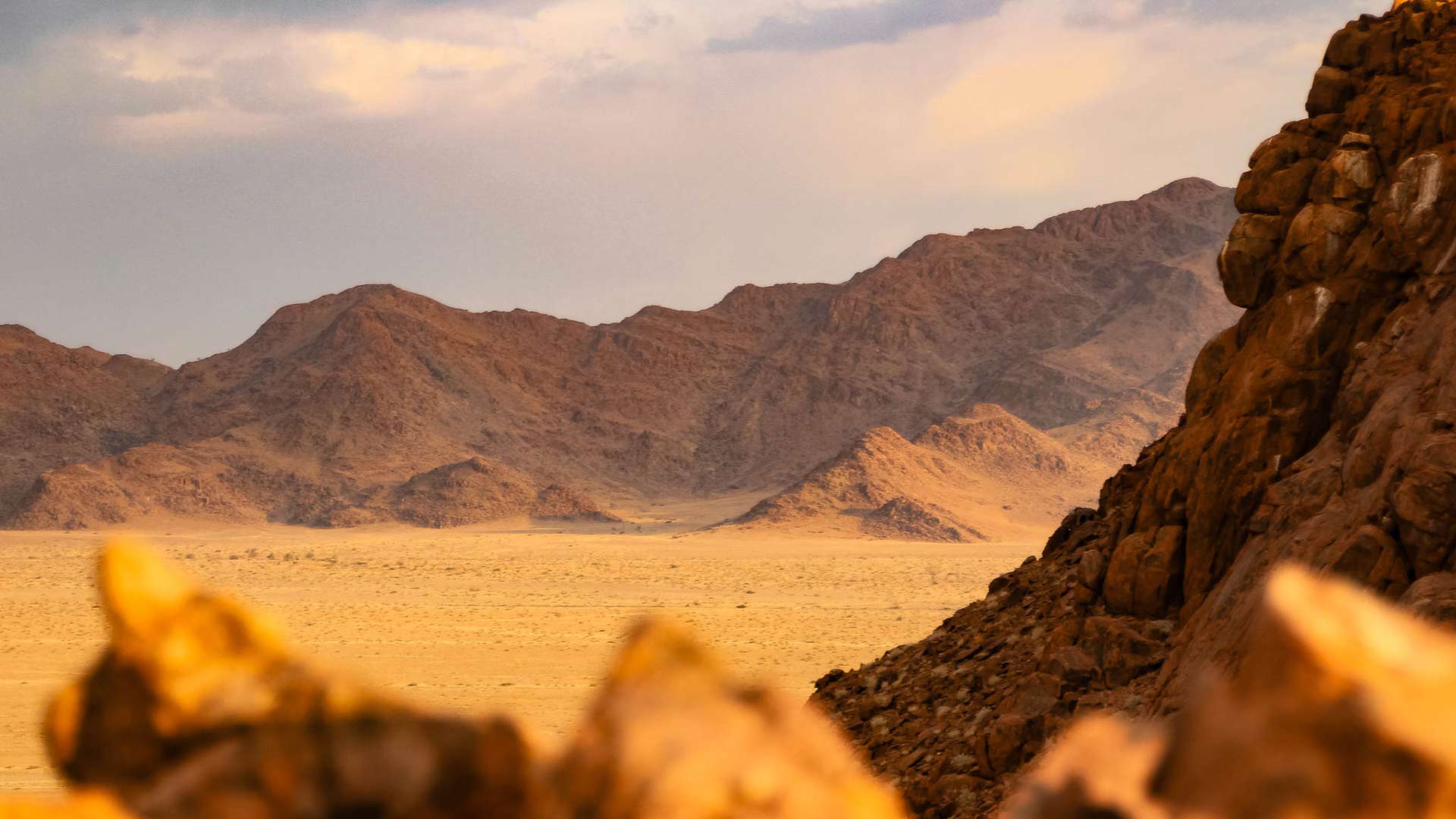
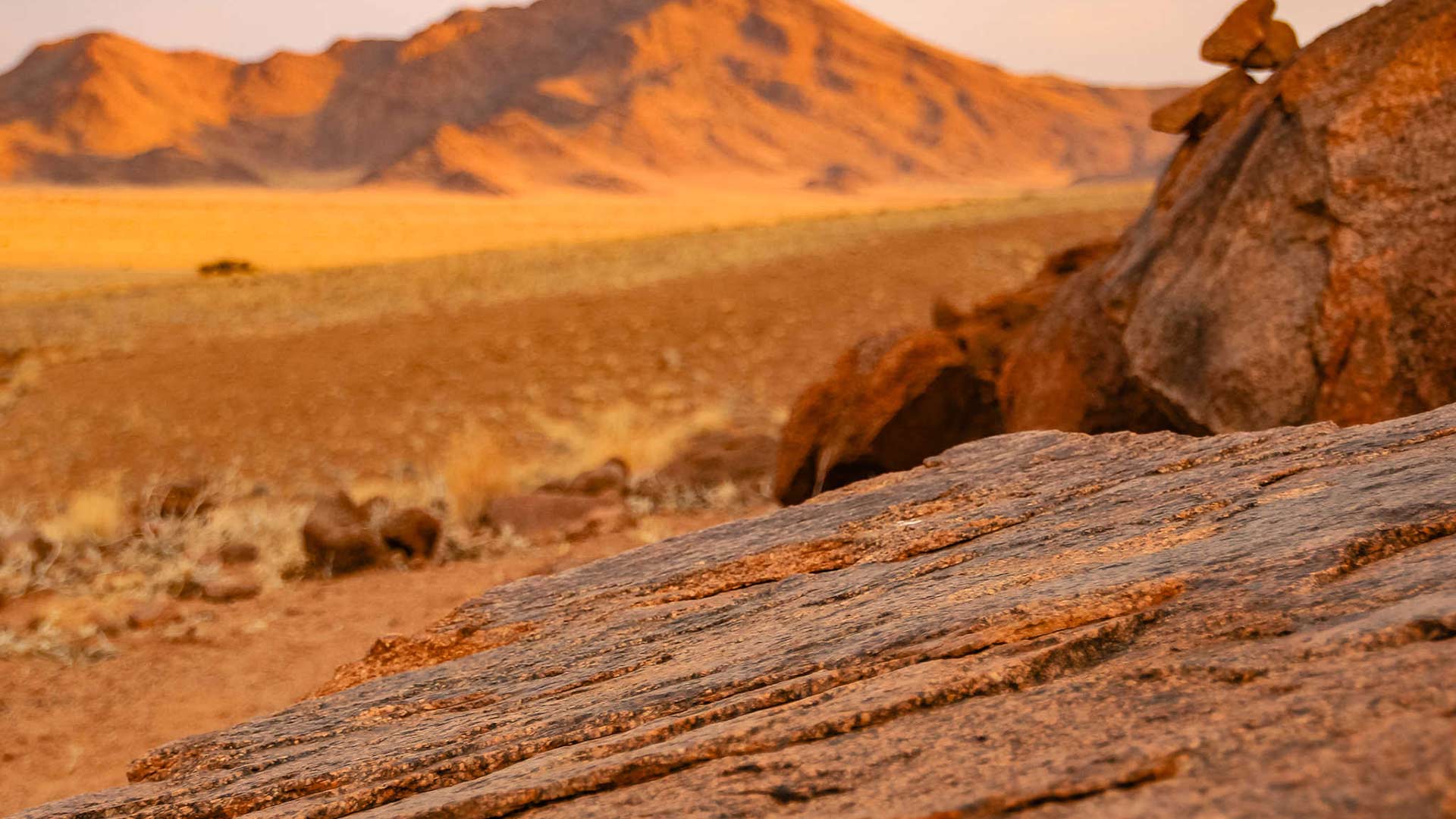
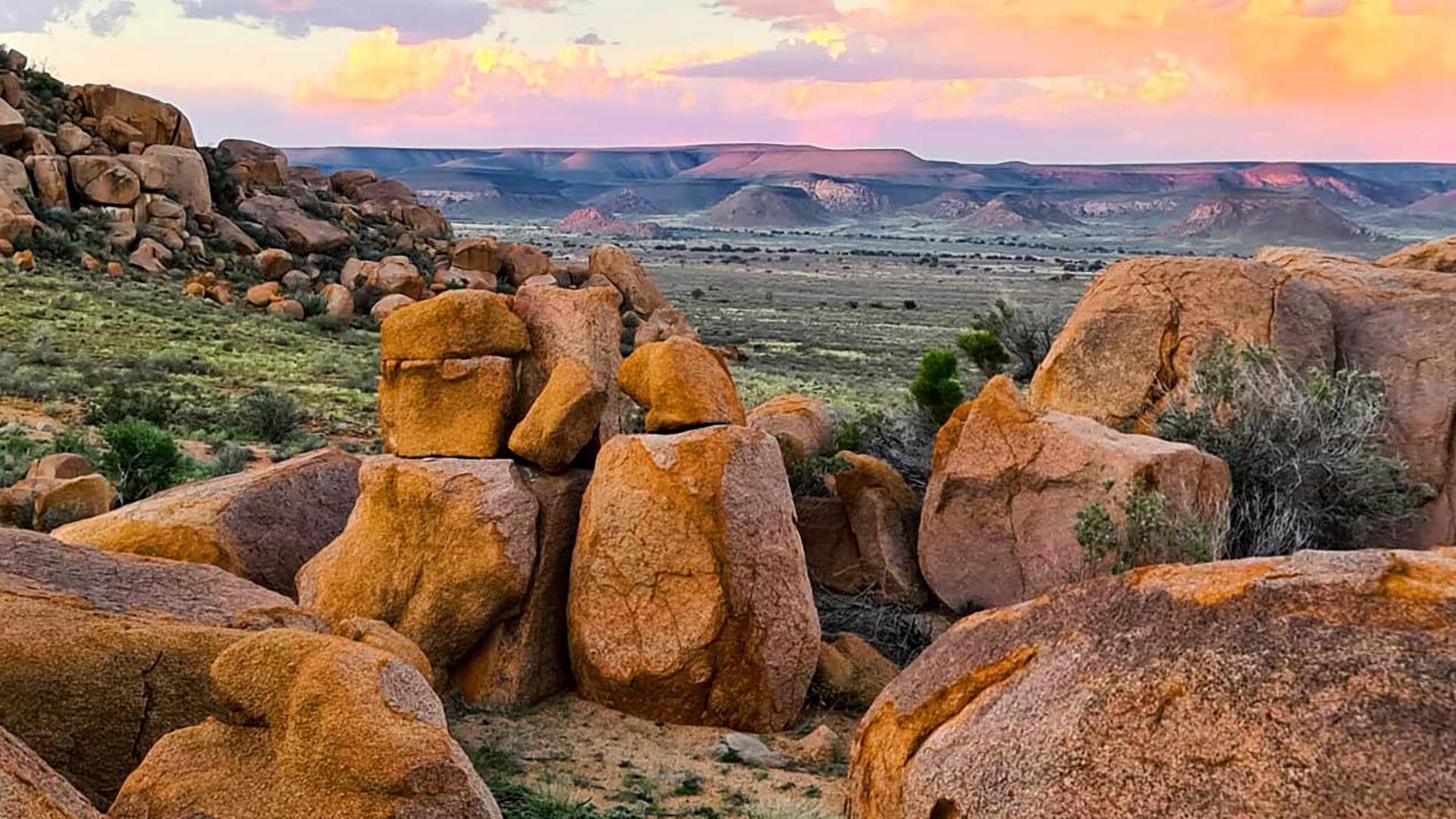
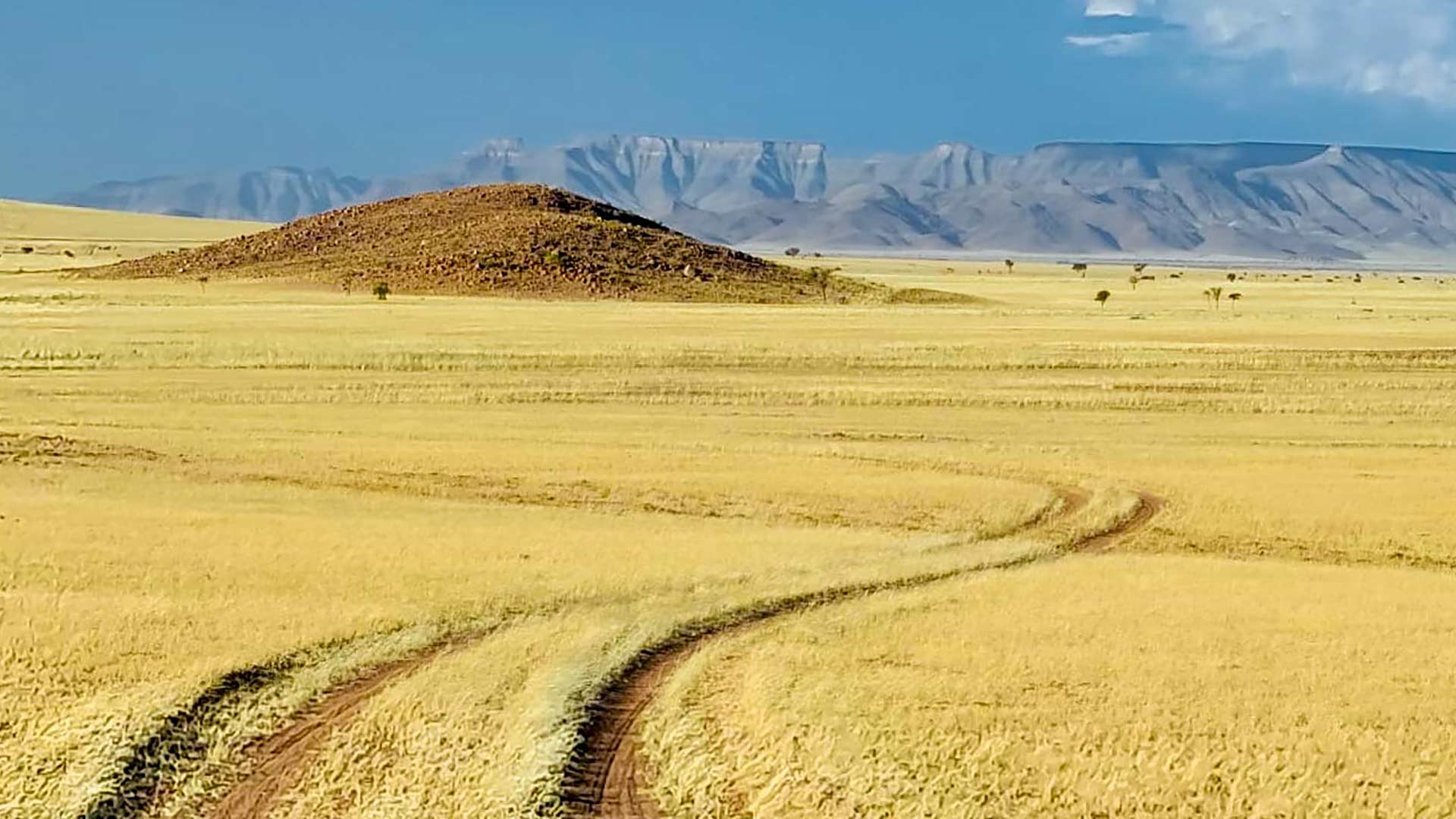
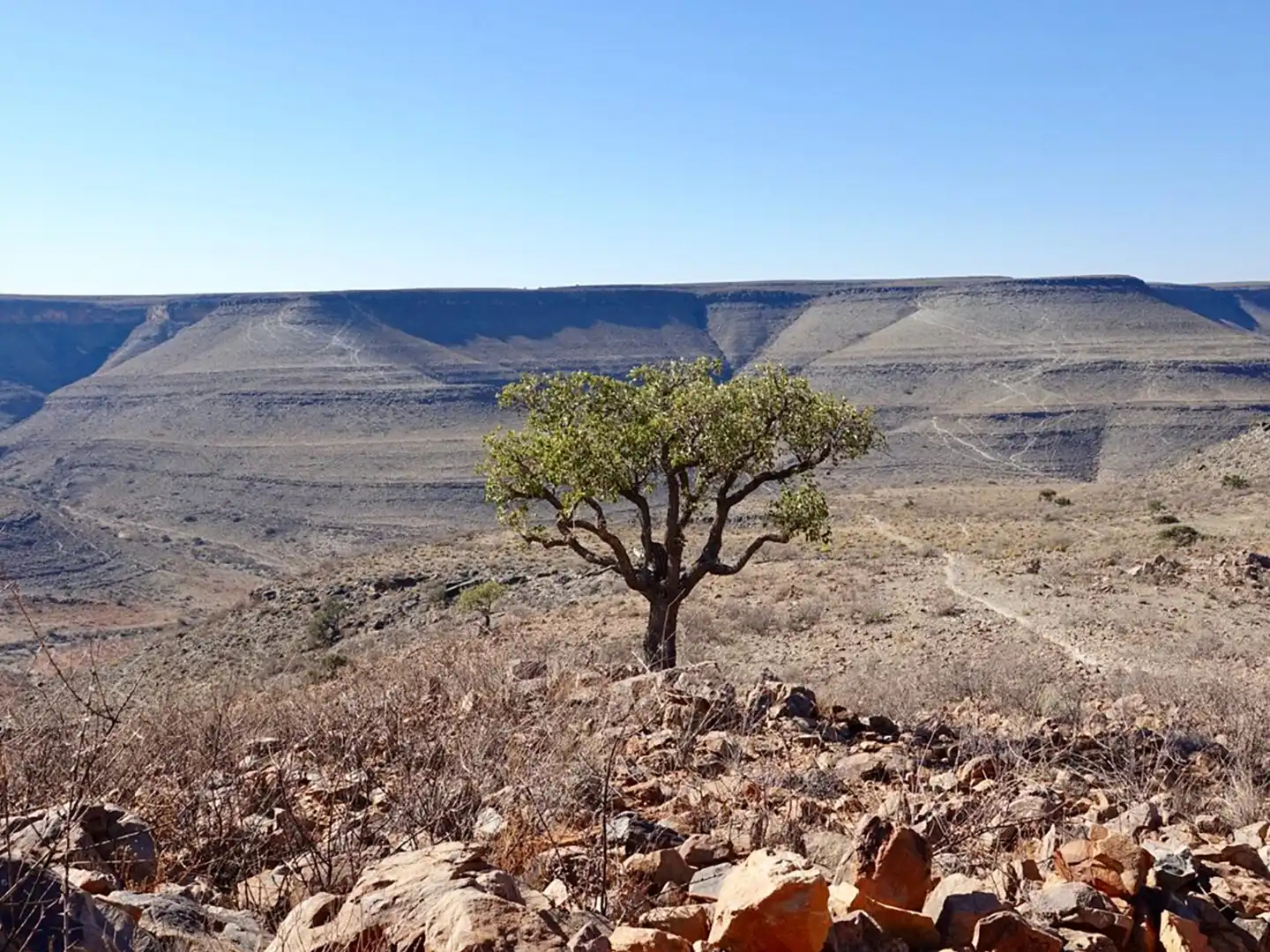
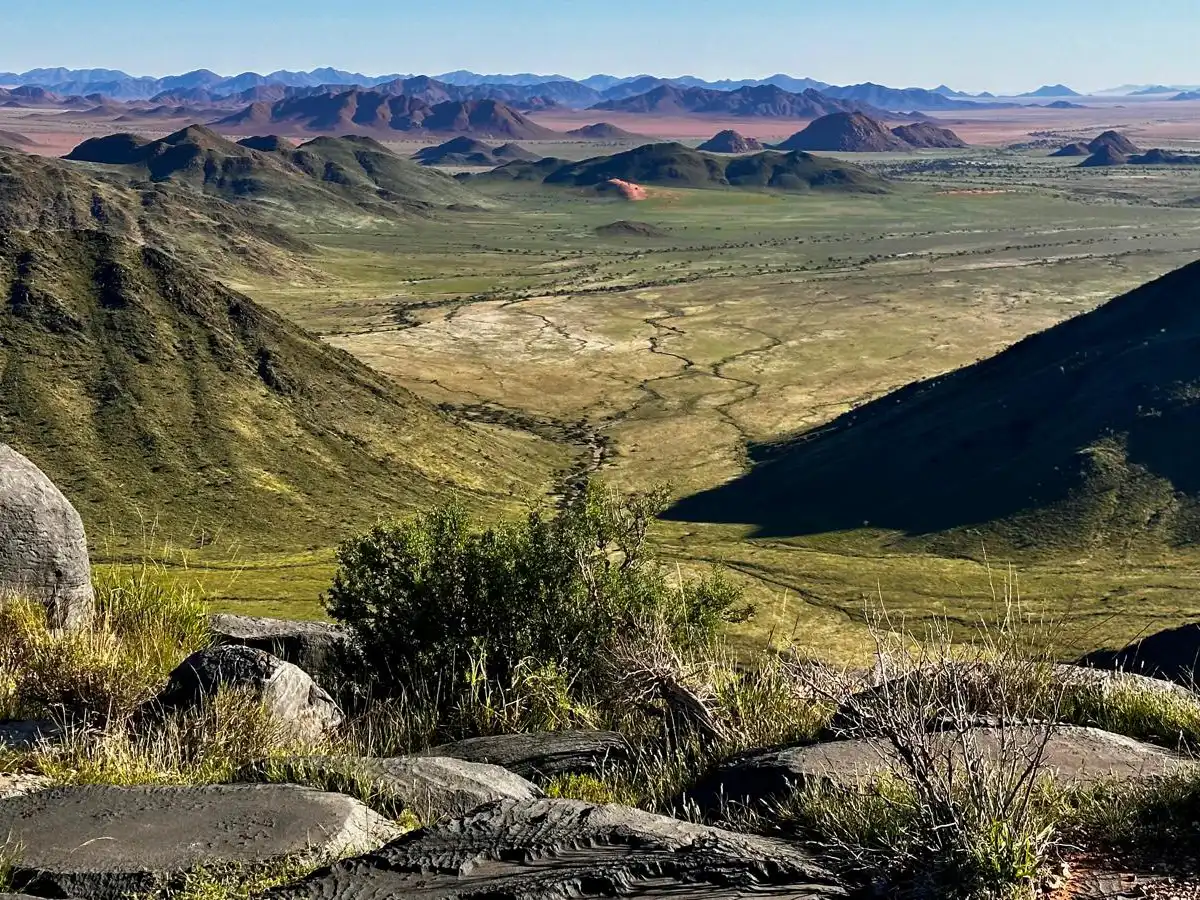
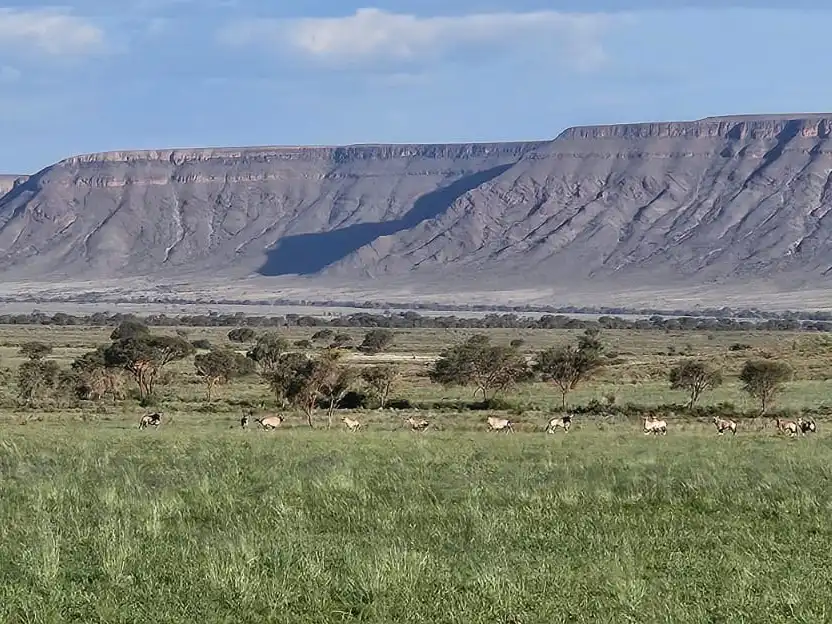
The Wildland Namib Tsaris nature reserve currently covers an area of 140,000 hectares and is located in the so-called “Greater Sossusvlei Area.” This region, which is particularly worthy of protection, also includes the UNESCO World Heritage site “Namib Sand Sea,” the “Namib-Naukluft” National Park, and the private nature reserves “NamibRand” and “ProNamib.”
The Wildland Namib Tsaris connects to these existing areas and complements them with further unique landscapes, such as the Tsaris Mountains with their 2,000-meter-high plateau mountains, canyons, and open plains. Today, the protected area of this region extends from the Skeleton Coast across the dune landscape of Sossusvlei, the NamibRand area, the Nubib Mountains, and the open plains to the Tsaris plateau mountains toward Maltahöhe.
A good ten years ago, Ondili began buying farms that bordered or were near the two lodges, Desert Homestead and Namib Outpost. Over the years, the area that has become today’s Namib Tsaris Nature Reserve was formed. Like missing puzzle pieces, the areas formerly operated as sheep farms came together to form a large whole. At the same time, transitions to existing protected areas were created. As a result, wild animals can now migrate through significantly larger areas than was possible during the last 100 years of use as sheep and cattle farms.
The east-west corridors are particularly valuable because of the better rainfall in the mountainous Tsaris regions. Operating commercial sheep farms on the edge of the desert is no longer attractive to most members of the younger generation, as it involves hardships and economic risks. The establishment and subsequent operation of a nature reserve offer significantly more jobs than the farms did. Ondili makes this development, which is important for the local population, possible by returning all profits from the lodges’ tourism back into these areas.
The following are the key measures that must be implemented to convert farmland into a nature reserve:
- Dismantling of agricultural infrastructure
- Modified water management
- Modified road network
- Creation of a ranger station with an equipment and machinery base, including functioning telecommunications
- Restoration of the natural balance within the flora and fauna and in the relationship between flora and fauna
- Erosion control
Dismantling of agricultural infrastructure
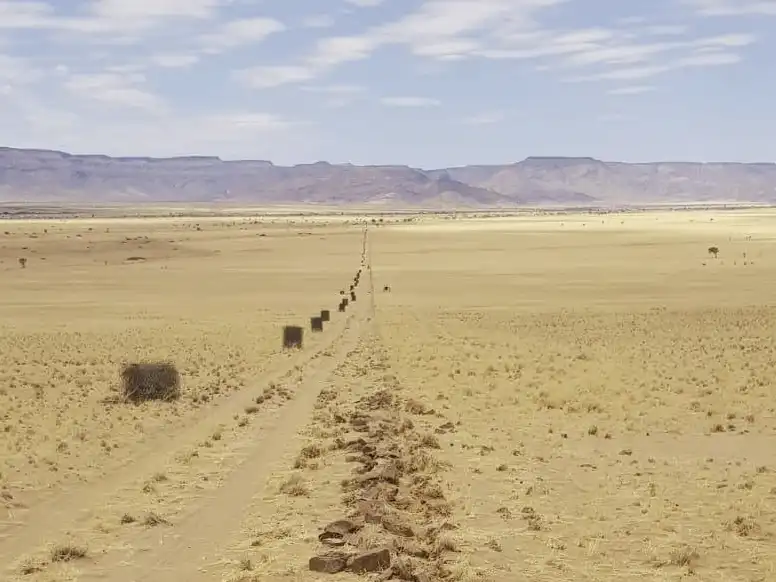
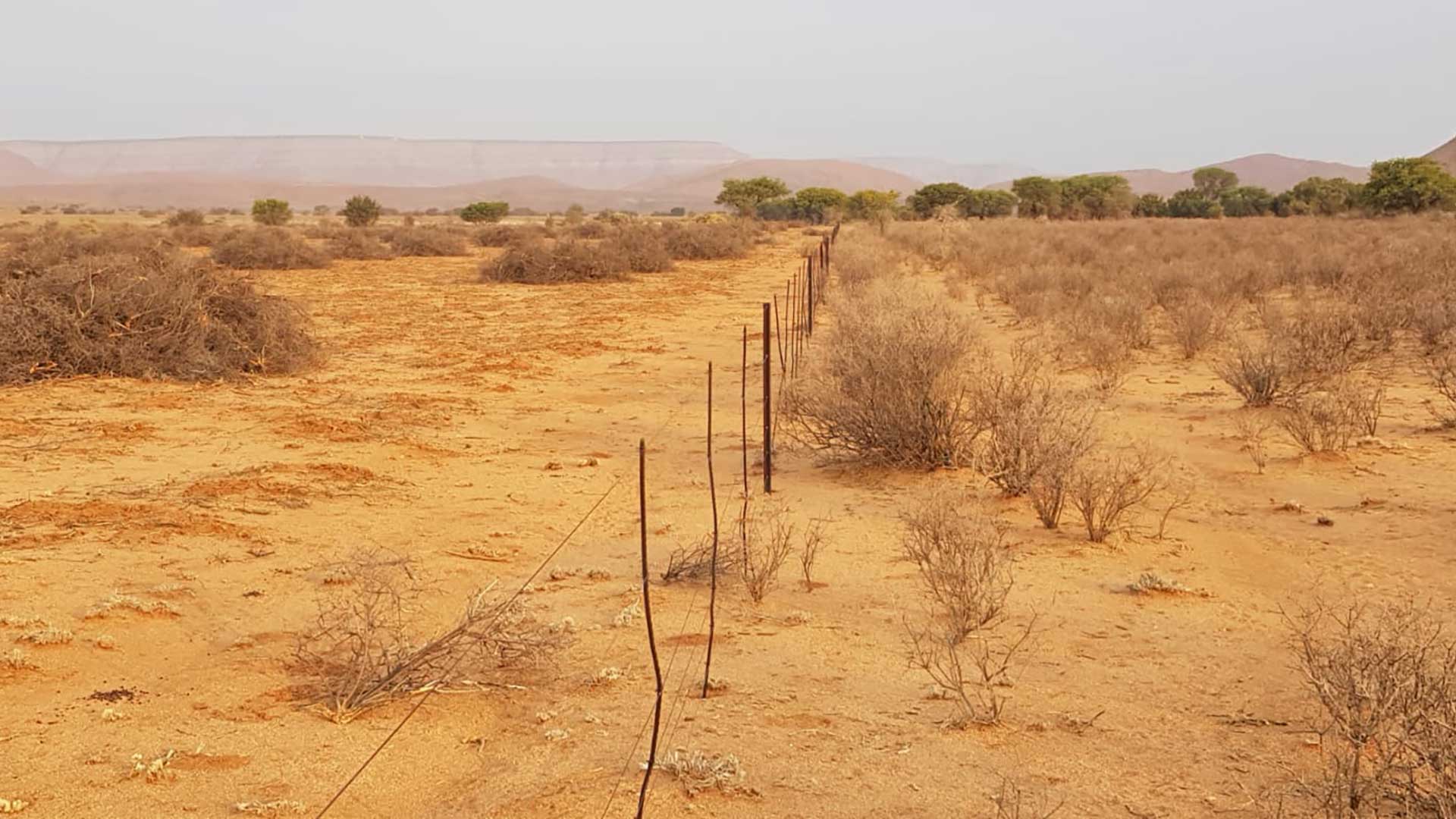
Fence removal
Farms are usually divided into at least 14 grazing camps. The camps are grazed with sheep one after the other for about a month at a time in an annual cycle. The animals are then moved to the next camp. Some camps are set aside as grazing reserves in case the next rainy season is delayed.
The camps are fenced about 1.00 to 1.20 meters high, which is sufficient for sheep. However, wild animals are not easily stopped by such fences. Nevertheless, injuries occur repeatedly, or animals perish while trying to cross. For example, they run into the fence and injure themselves, or they try to slip through the fence, get caught in it, or get stuck while jumping over. In many cases, the result is an agonizing death.
The mostly higher and more stable boundary fences disturb or even interrupt the natural migration of wild animals. Removing fences on nature reserve land is therefore an essential task. The goal is to create the largest possible areas without fences.
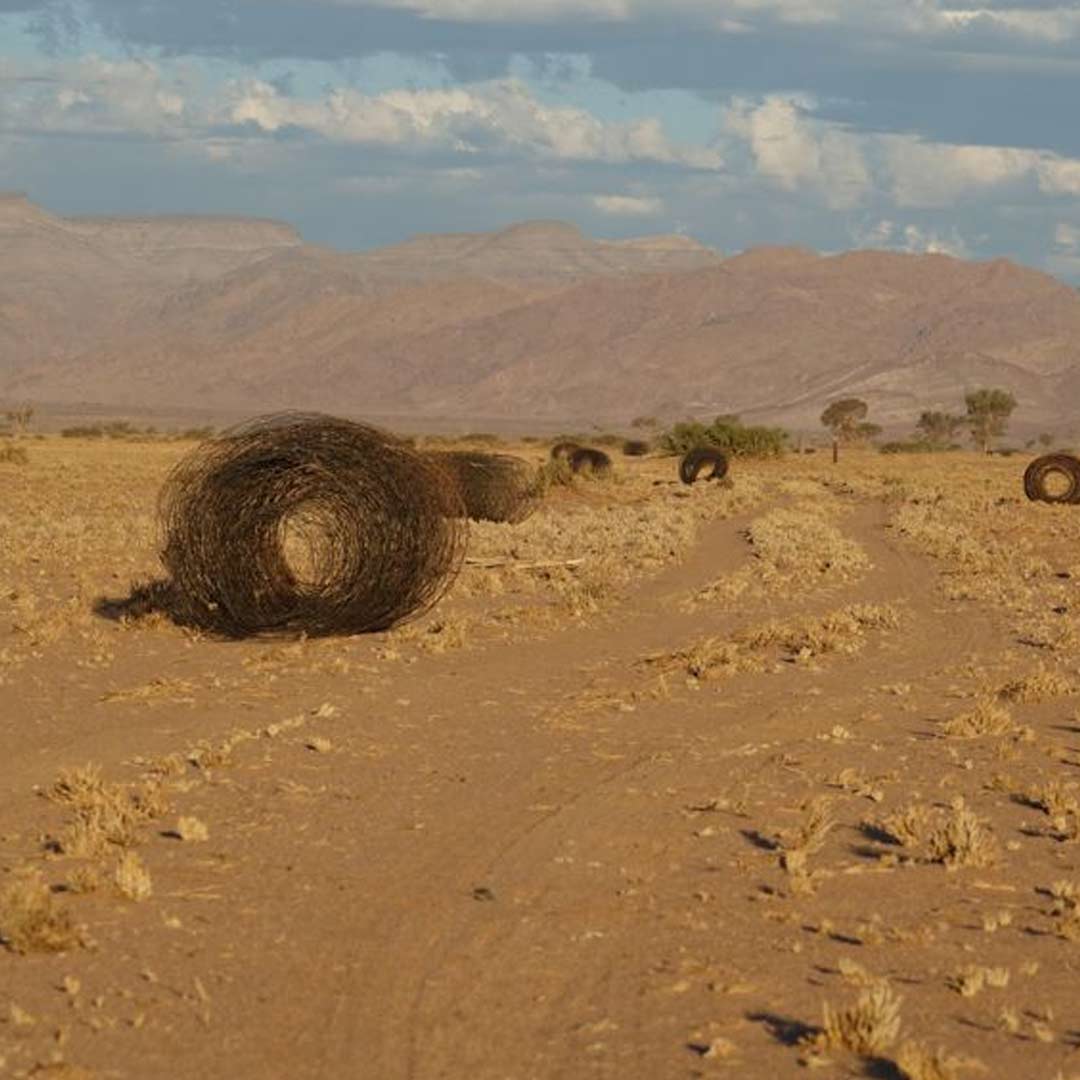
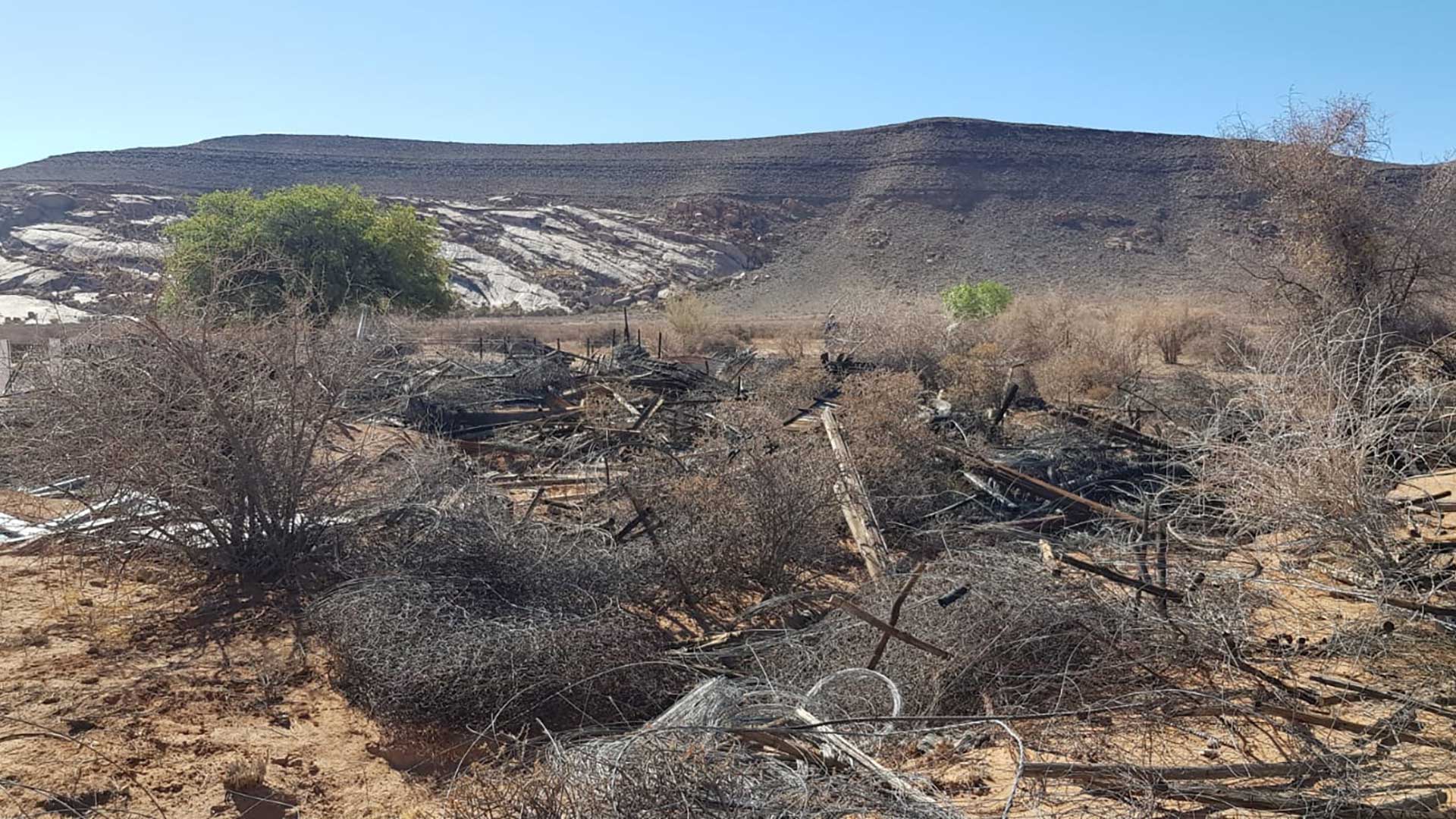
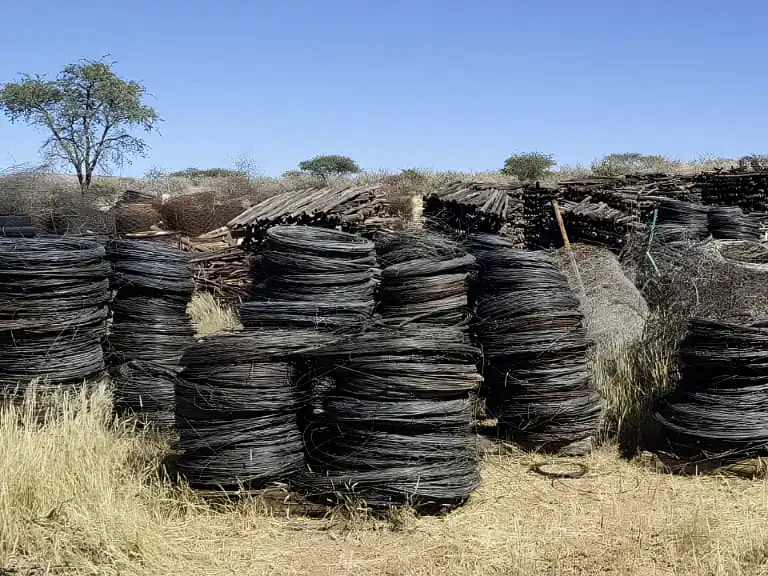
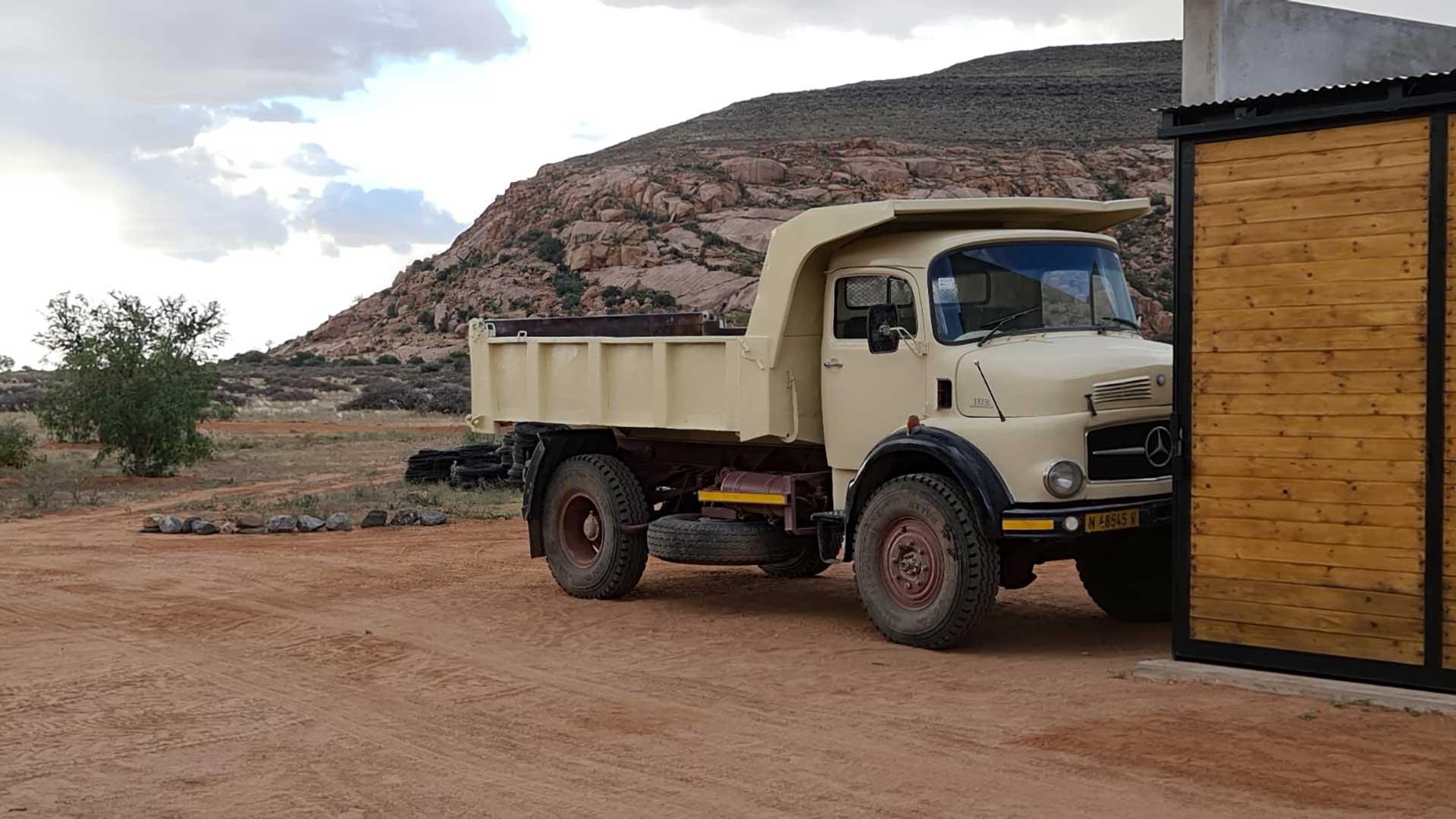
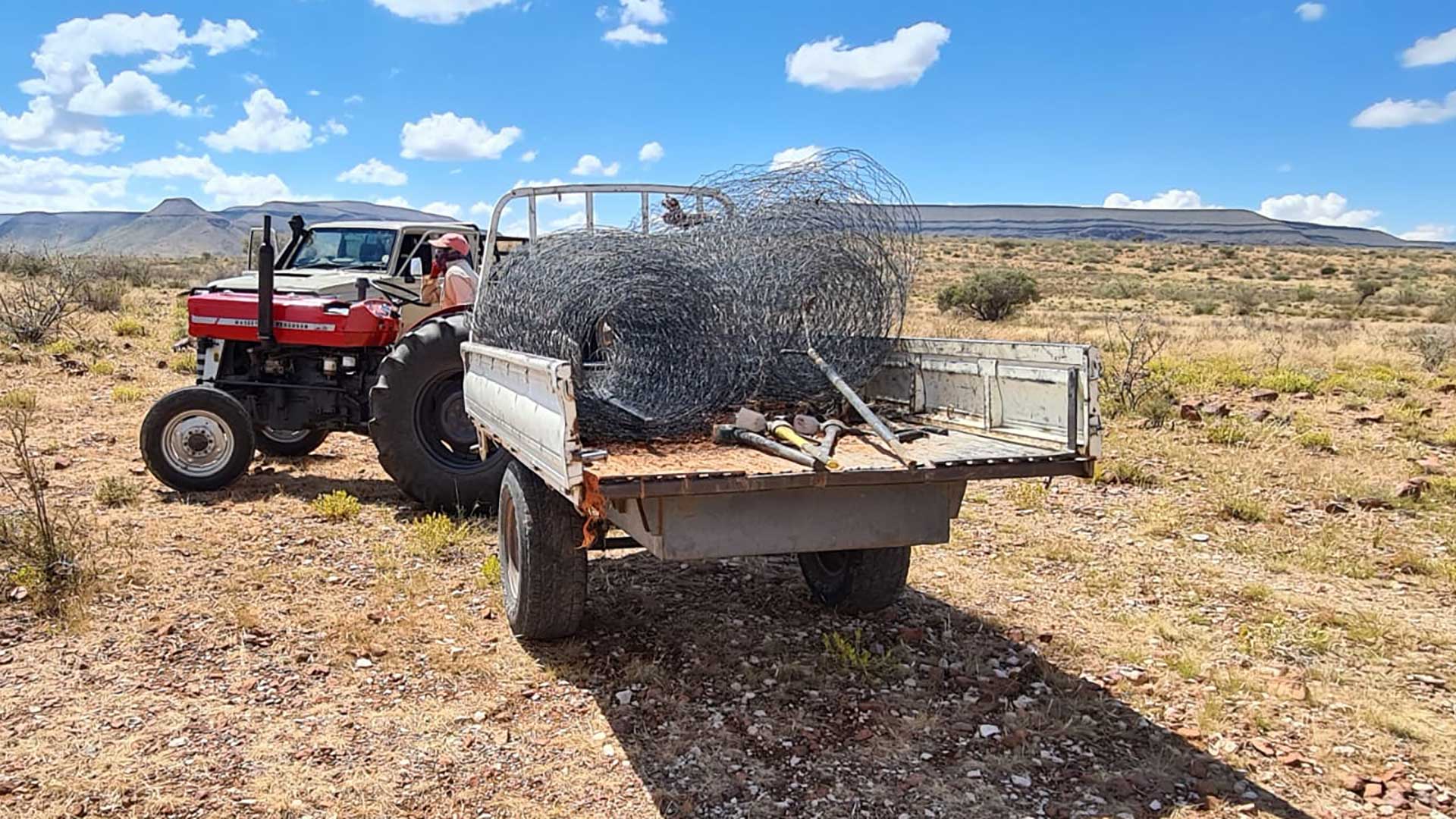
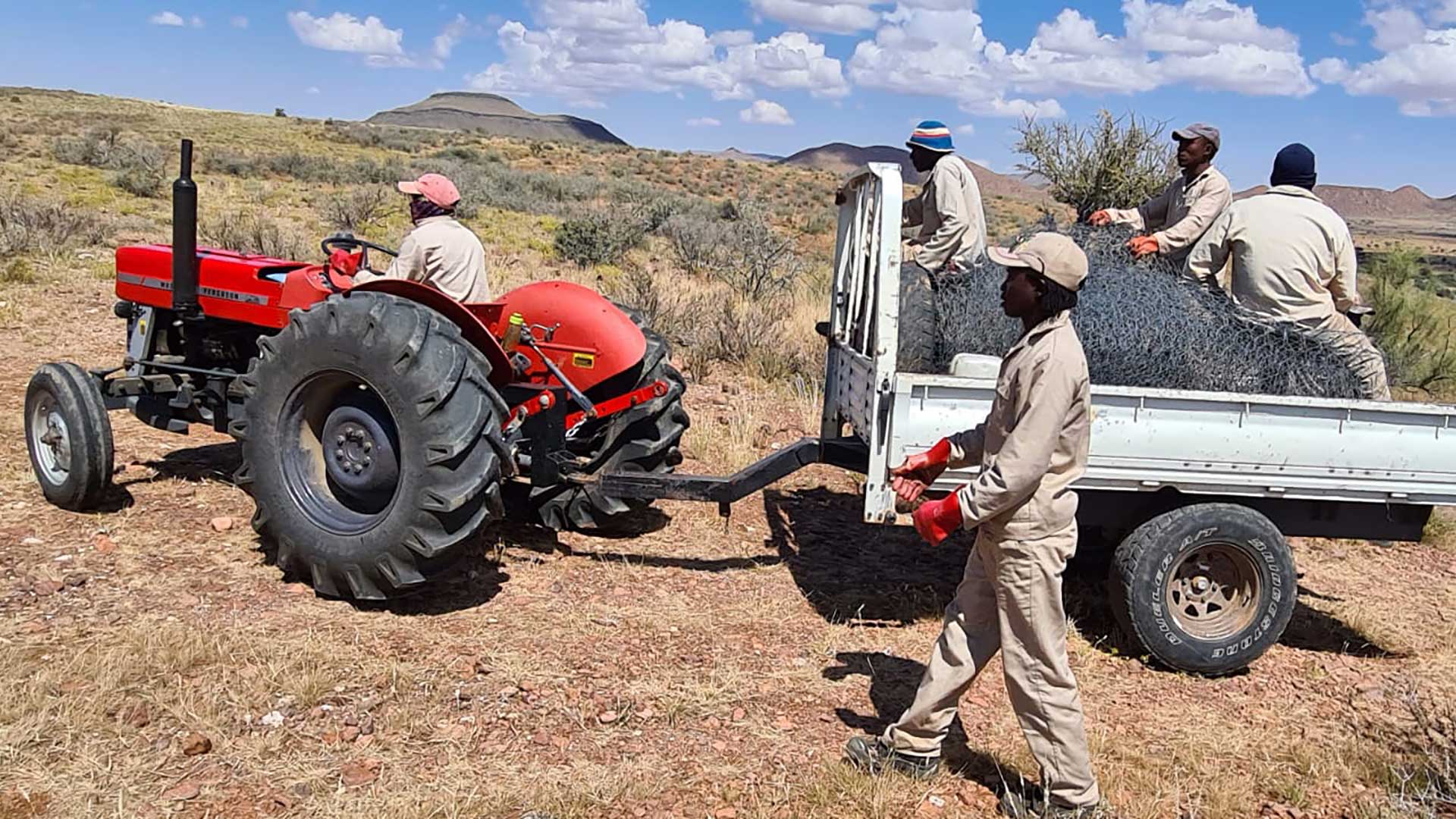
In the Namib Tsaris Nature Reserve, hundreds of kilometers of fencing had to be dismantled. This work took several fence-removal teams years to complete. Fence lines also run through hard-to-reach canyons, sometimes up to ten kilometers away from the nearest farm roads. The material consists of iron posts and wire and must be carried to the nearest road. Iron is heavy. A worker carries a maximum of five fence posts per trip to the nearest road. Once the material is along the farm road, it is picked up by a Unimog and taken to the base, where it is stored until it can be reused.
Used fencing material is reused in the reserve for the following purposes:
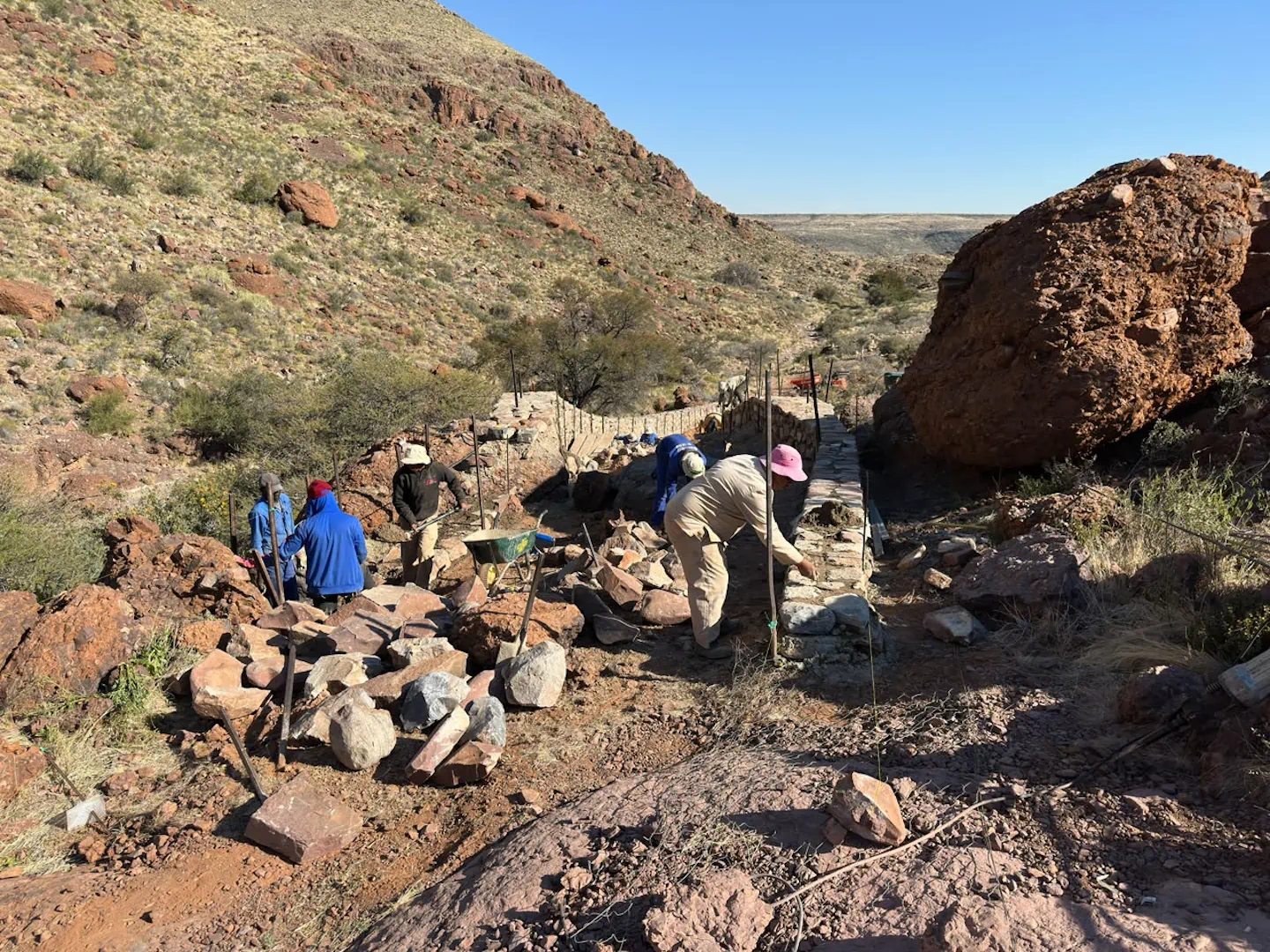
- Wire mesh is used to build gabions for erosion protection.
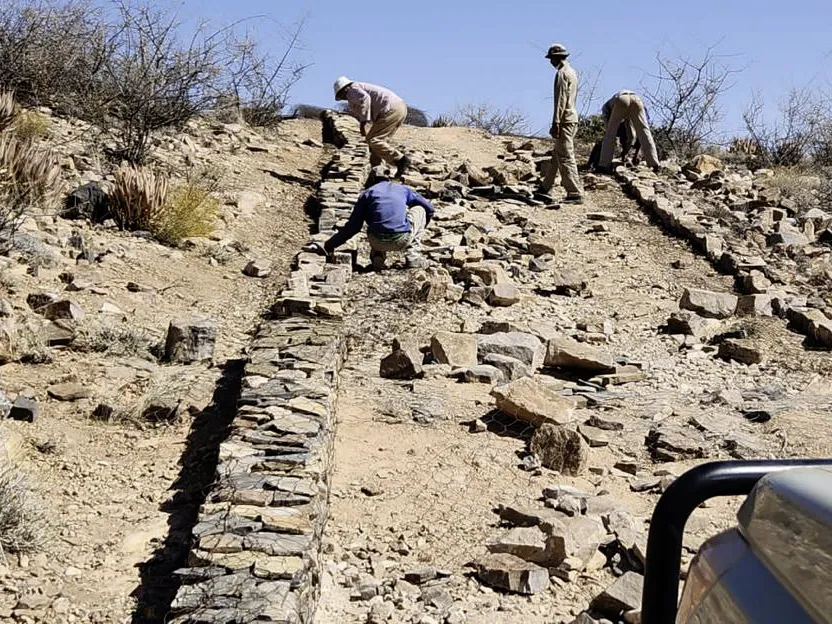
- Wire mesh is used in road construction to stabilize long, steep sections, holding material in place and protecting the road from erosion.
- Iron posts are used to raise and reinforce outer boundary fences.
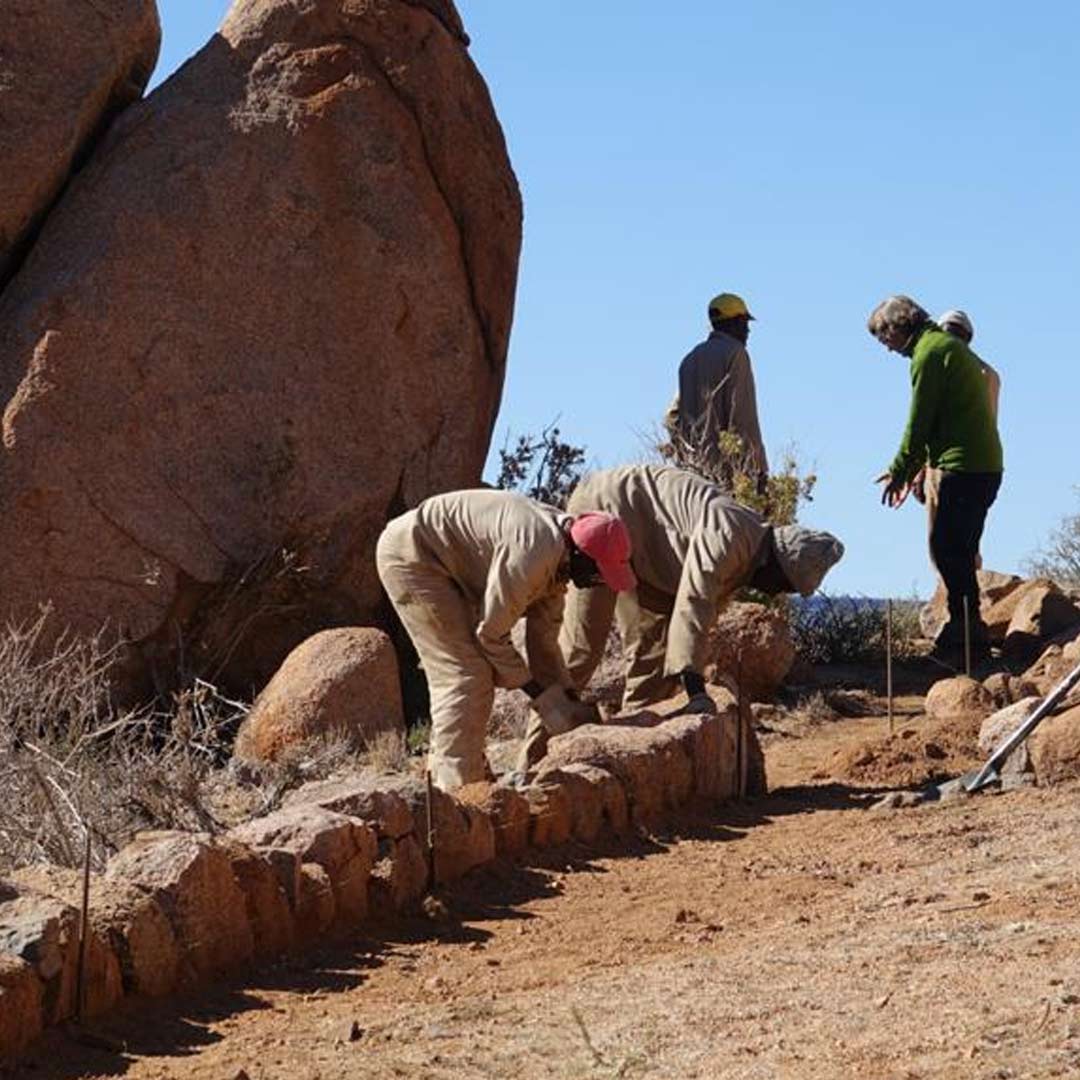
- Iron posts are also used in erosion control, for example as stakes to secure woven mats or gabions to build check dams in dry riverbeds.
Further dismantling measures
- Dismantling of all buildings at the farmstead, including stables, garages, and tanks
- Clearing of waste sites that have developed over decades, including hazardous waste, machinery waste, and household waste. Some farms are literal dumpsites.
- Dismantling of all dams—large water storage basins made of stone or concrete located in the camps. They leak constantly, waste water, disrupt the landscape, and are breeding grounds for mosquitoes.
- Dismantling of other infrastructure, such as drinking troughs
- Clearing and removal of dung from the kraals that has accumulated over decades
- Dismantling of the kraals
- Dismantling of overland water pipes
- Dismantling of water pumps
Water management
The water situation in these near-arid regions is a vital issue. On sheep farms, pumps were typically used that ran constantly. Water was pumped out of the ground and wasted—regardless of whether it was used or not. Windmills always ran when there was wind, motor pumps as long as the fuel lasted, and modern solar pumps as long as the sun shone—which is almost every day. Pipes leaked, as did the dams (the large stone water reservoirs). Drinking points overflowed constantly. This happened in every camp, with such drinking points usually serving four camps at once. A nature reserve is managed according to different principles.
Wild animals travel longer distances to water points. Compared to a farm operation, the number of drinking points is therefore reduced. Depending on the topography and the presence of boreholes, a drinking point is found every seven to ten kilometers in the reserve. Instead of troughs, drinking points are provided as depressions in the ground that are gently sloped and lined with stones for grip. This allows small animals to use the drinking points as well, and they can also serve as wallows. Wherever possible, natural springs are also utilized and integrated into the water concept.
Regarding the frequently asked question about creating artificial water points in a nature reserve:
The nature reserves are already very large in terms of area. However, to be able to do without artificial water points, the areas would have to be significantly larger to allow for the natural migration of animal herds following the rains. Even the largest state national parks cannot do without artificial water points. The necessary agricultural use of the land sets limits for the conservation areas. The discussion about artificial water points in nature reserves therefore quickly leads to ethical questions. Feeding people through farming and livestock breeding stands in opposition to the interests of nature. Ondili is convinced that it has found a good compromise with this concept.
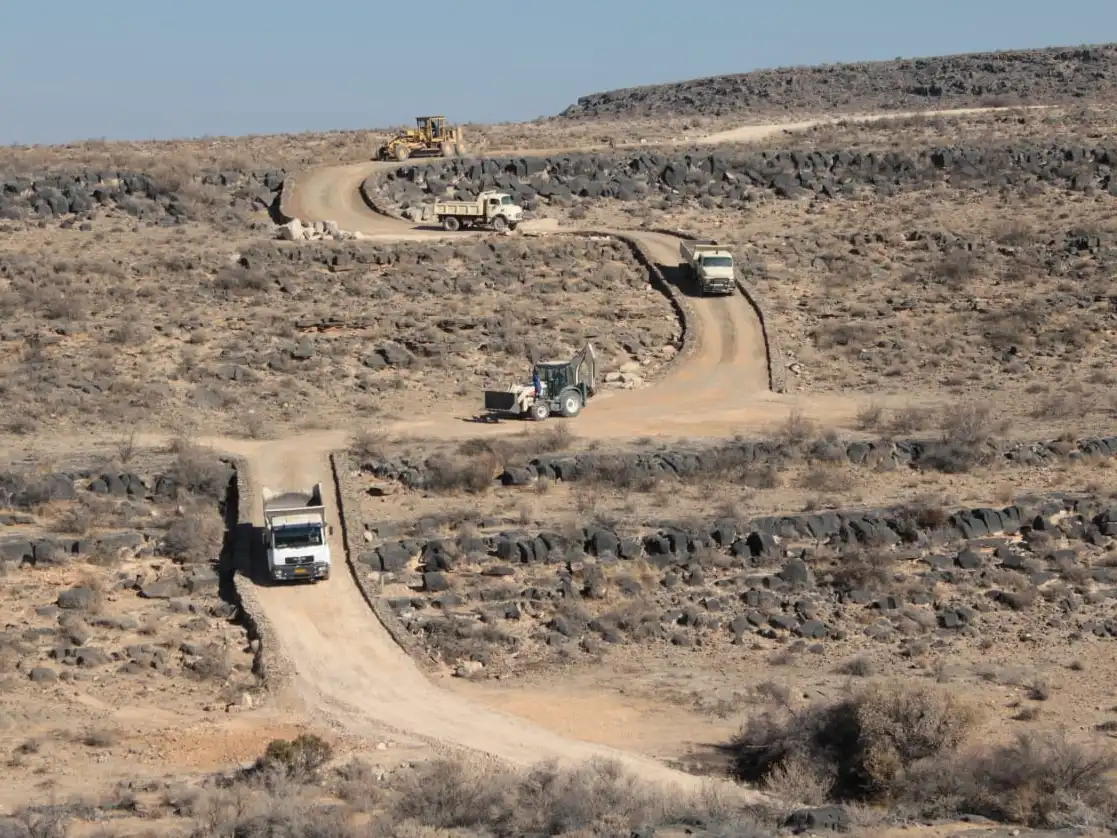
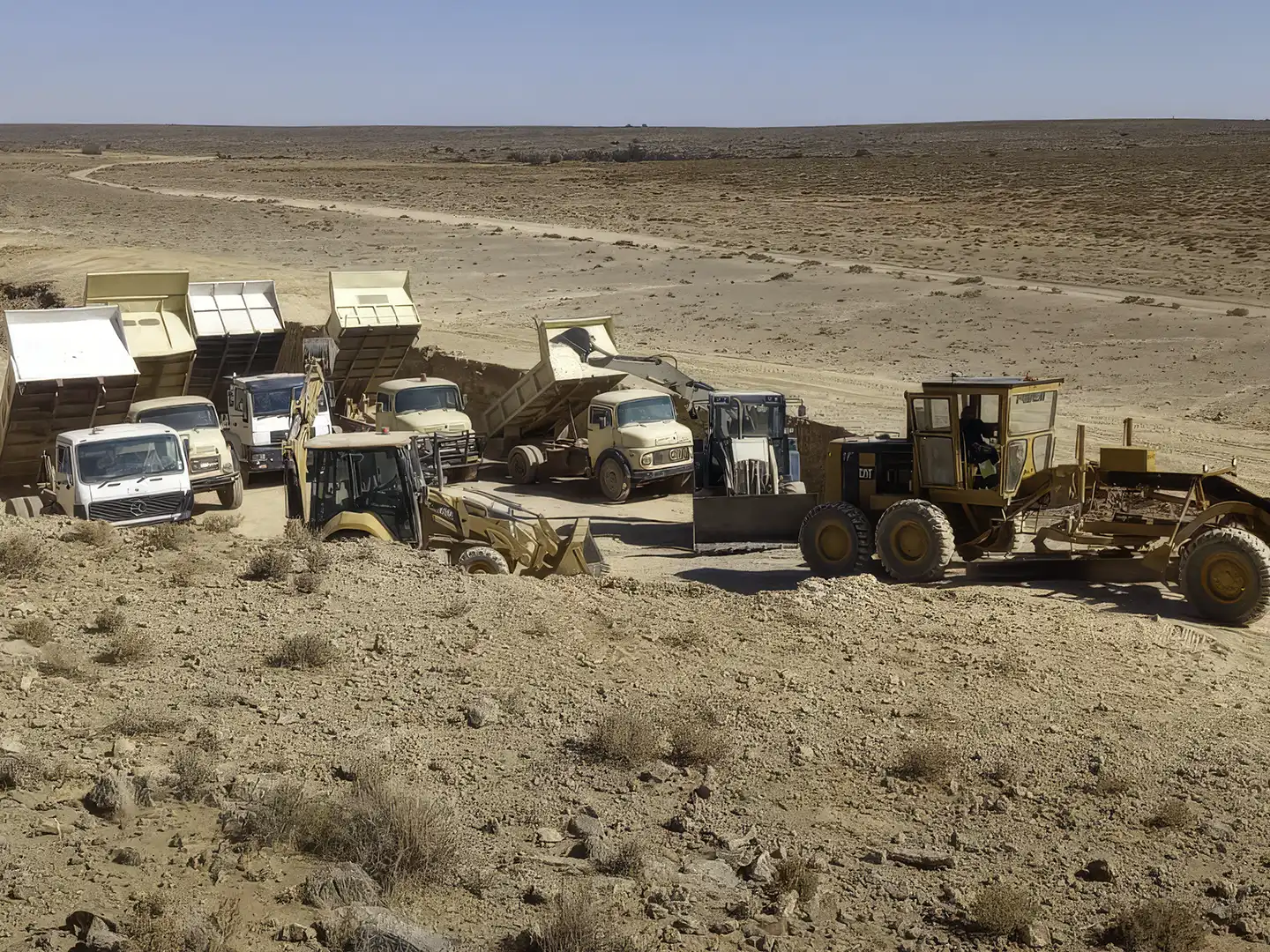
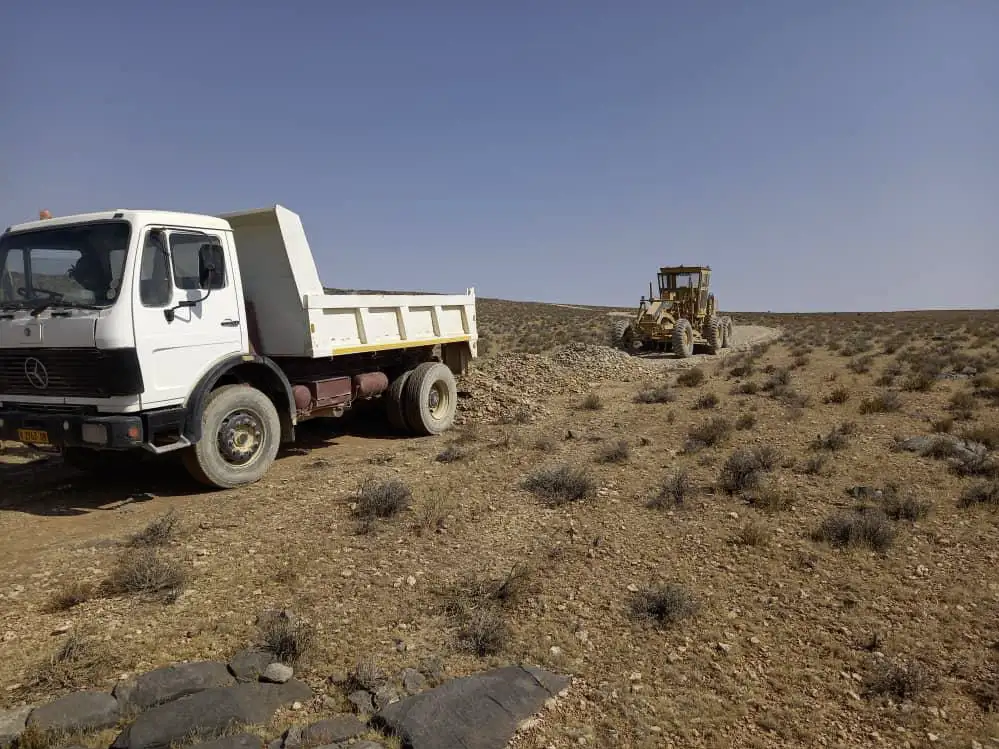
Modified road network, road construction, and road removal
The layout of road tracks in a nature reserve follows different objectives than on farmland. Farm roads are mostly inspection roads along the fences of the inner camps, as well as connections to the kraals and drinking points for livestock. Furthermore, they are not designed to span multiple farms but are instead focused on a single farm. They often run dead straight through the land.
In a nature reserve, the track layout is first planned to provide access to the entire area. If possible, a sensible main track through the reserve is developed using existing roads. Roads in the reserve are created to allow rangers to maintain an overview and control. At the same time, attempts are made to include scenically interesting areas. A boundary control road is also necessary, as far as topographically possible.
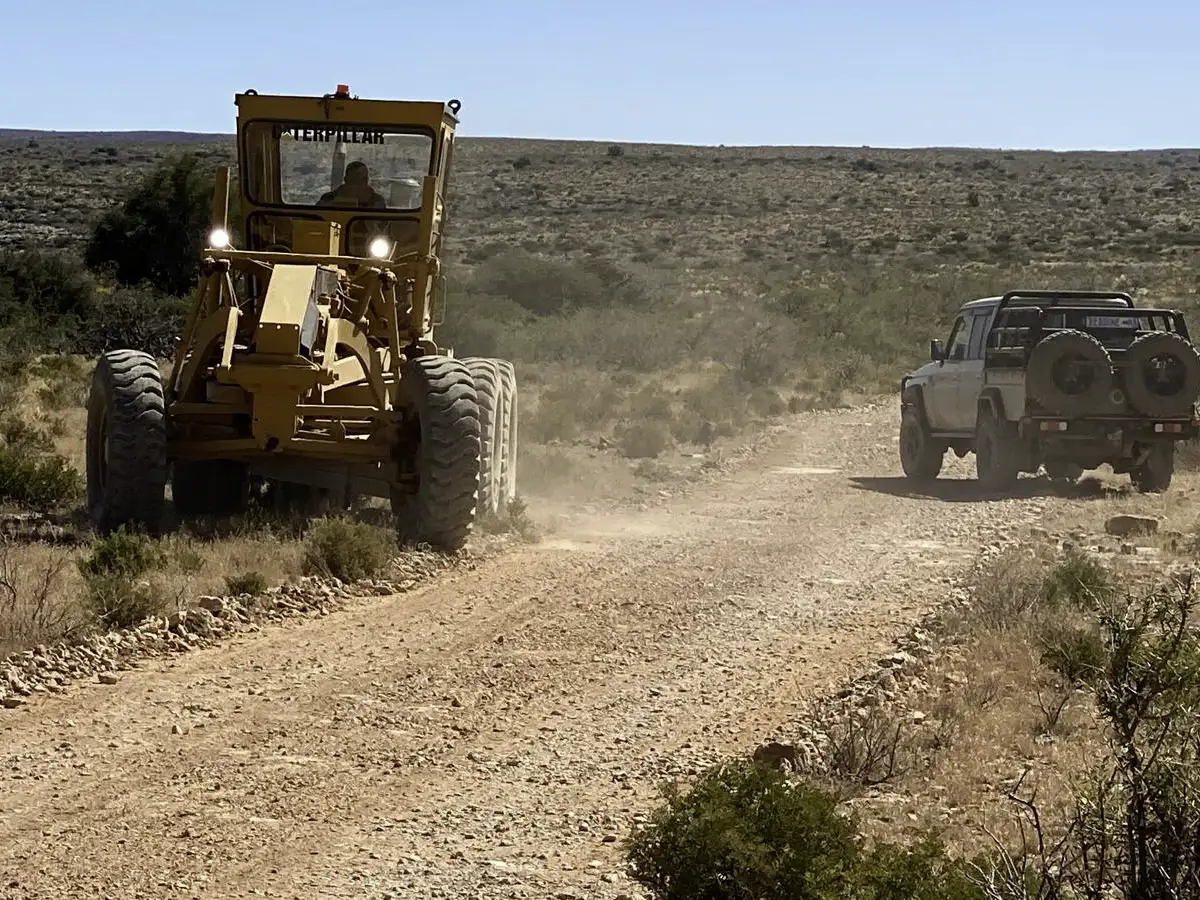
Old roads that are no longer needed must be renatured. On the one hand, they disrupt the landscape; on the other, they provide surfaces for erosion and would be washed out deeper and deeper over the years. Road construction is the largest investment in the creation of the reserve. However, good access is indispensable for many reasons. Therefore, the topic of road construction is of central importance.
Construction of a ranger station
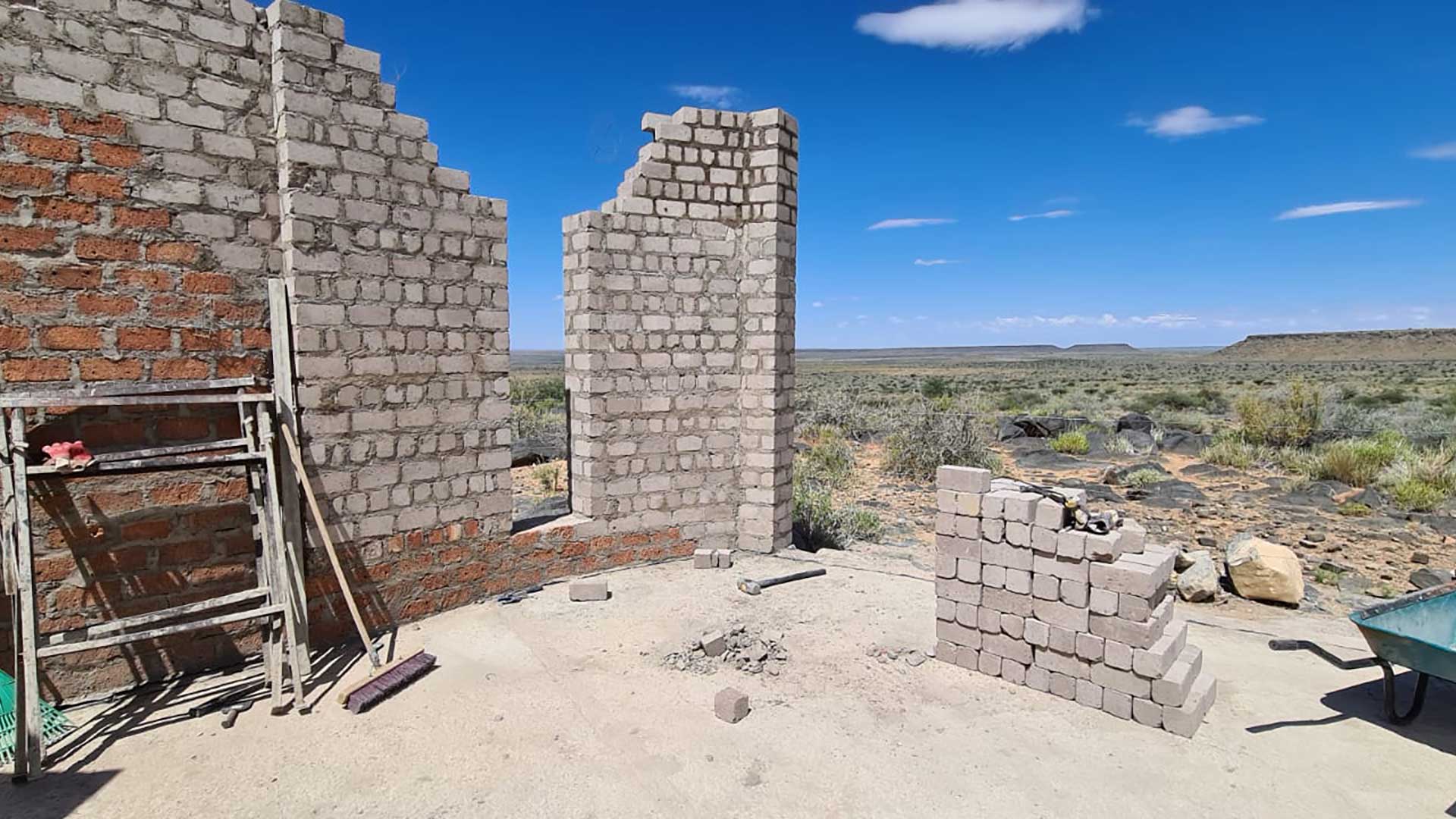
Construction of a ranger station
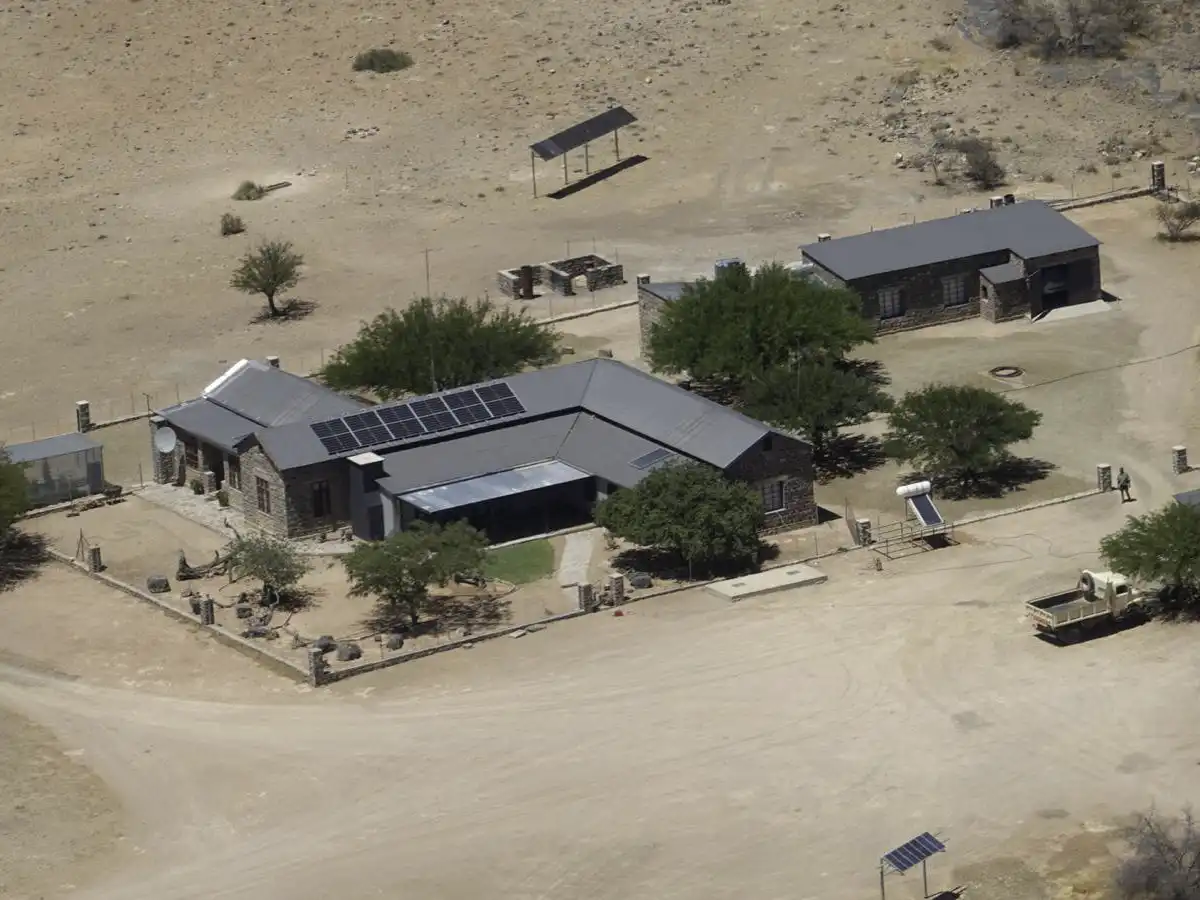
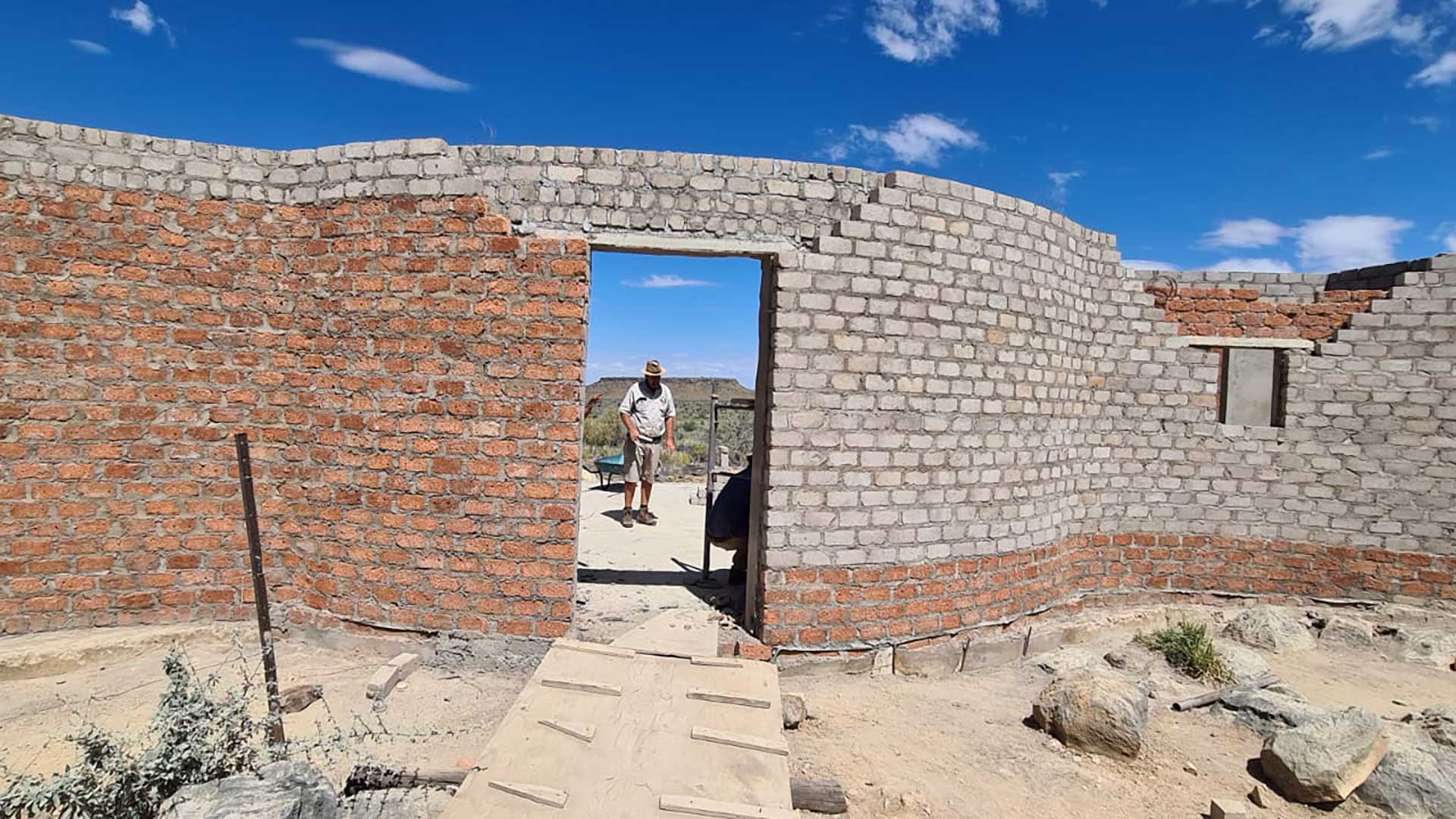
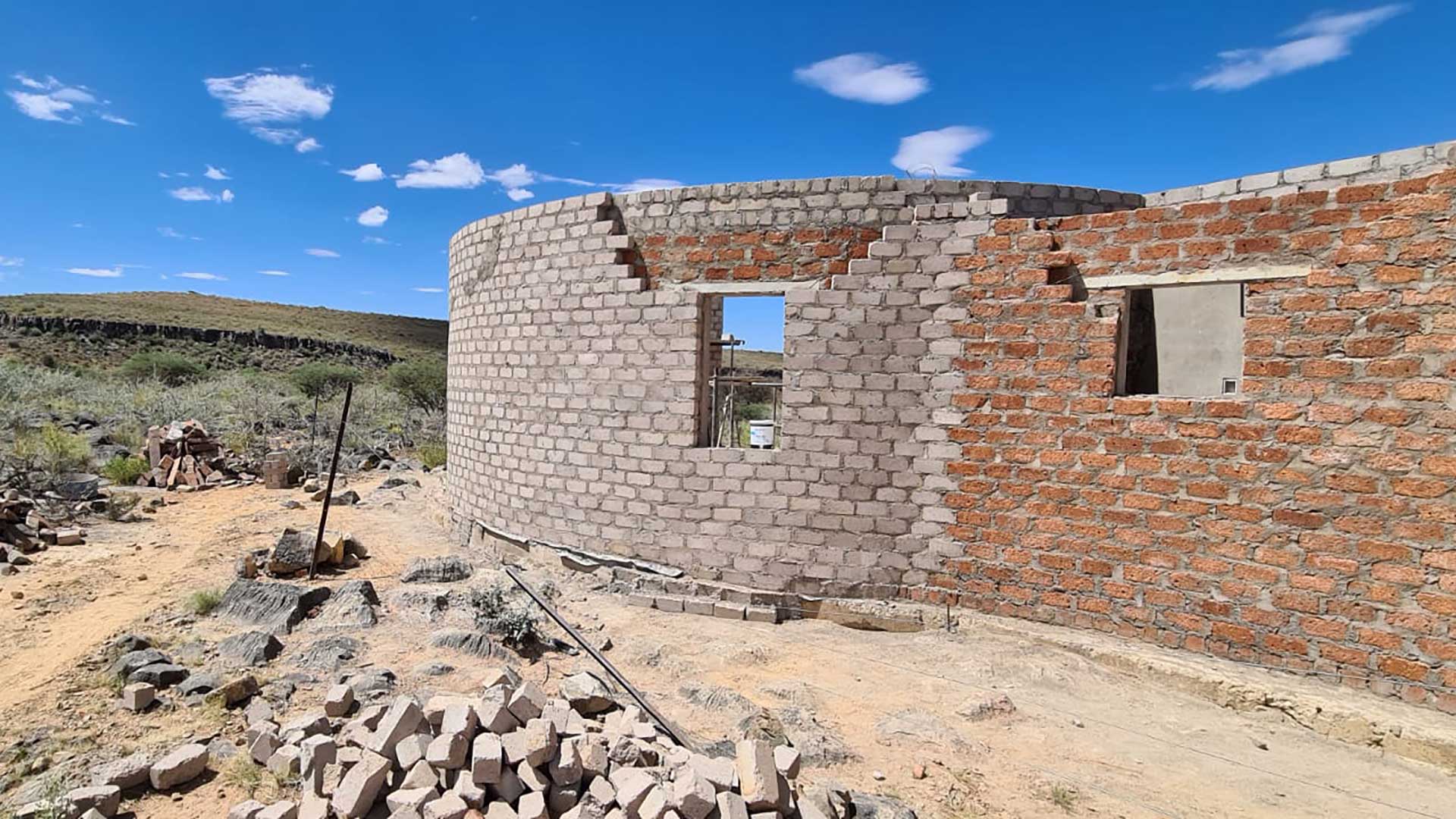
The need to constantly supervise a nature reserve is self-evident. Many tasks are permanent and recurring. Characteristic tasks include, above all, checking the boundary fences and water points. A permanent presence is also important to prevent poaching. One of the existing farmhouses is intended to take over the function of the ranger station.
An internet connection, a telephone connection, an office, and a workshop with a warehouse are required. Appropriate housing must be created for the employees. A small gas station with a repair workshop is also needed.
Restoration of the natural balance of fauna and flora
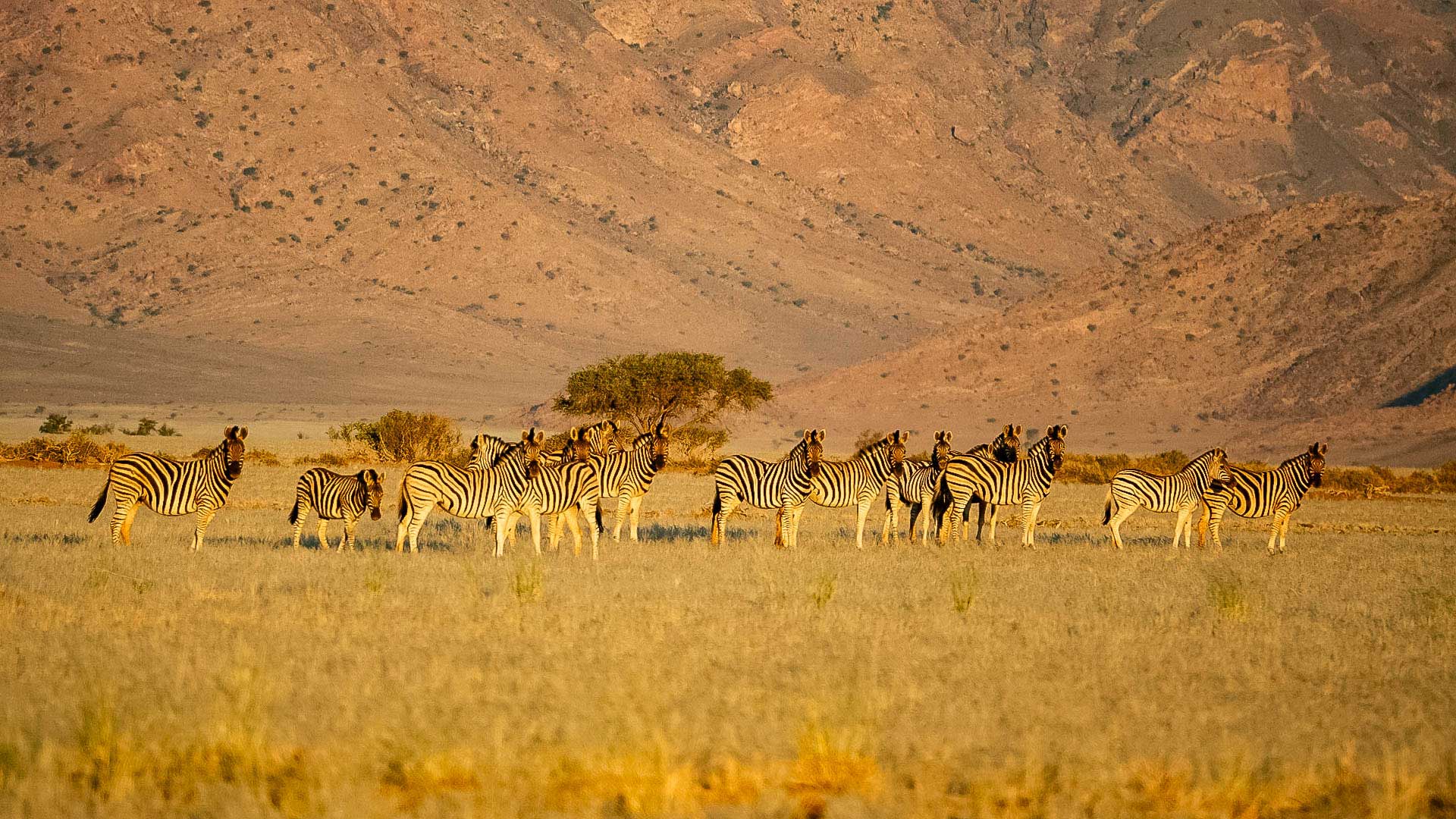
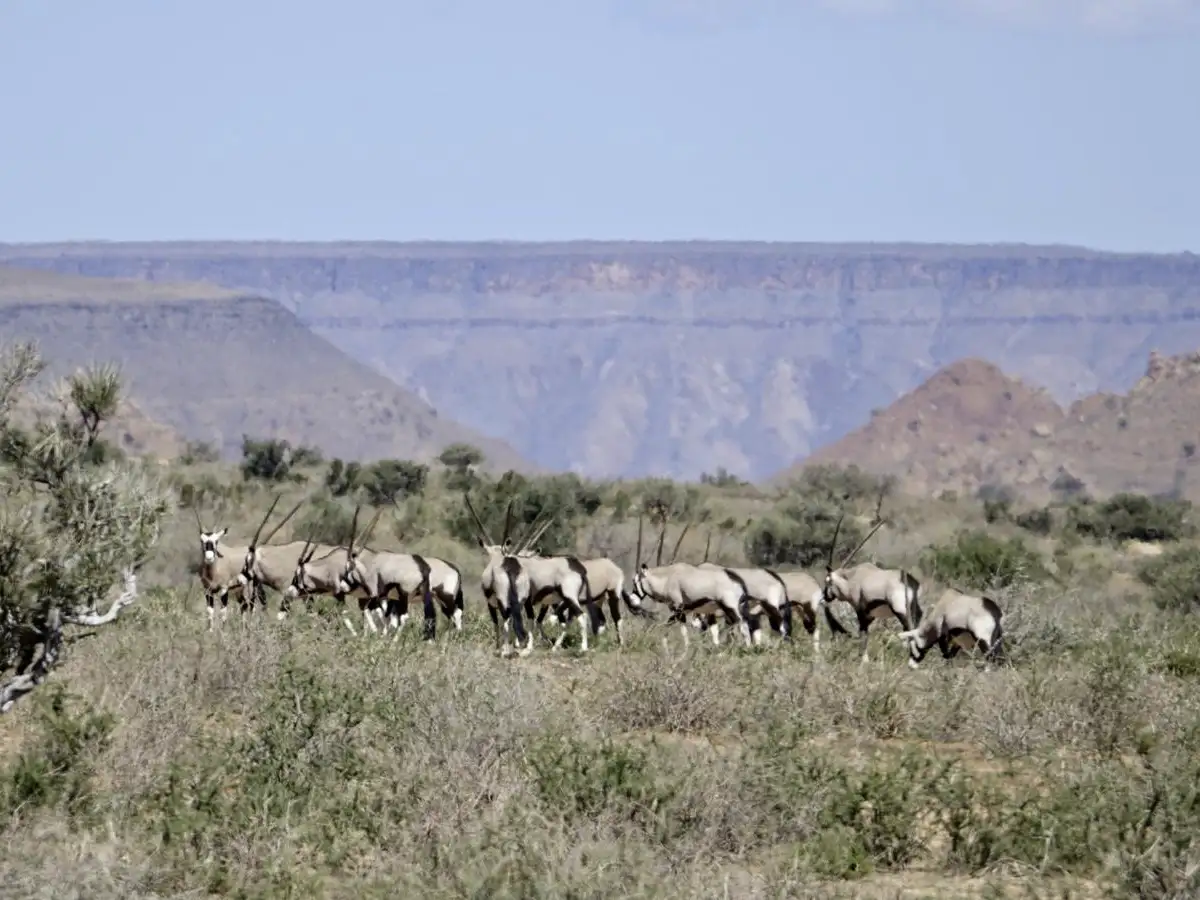
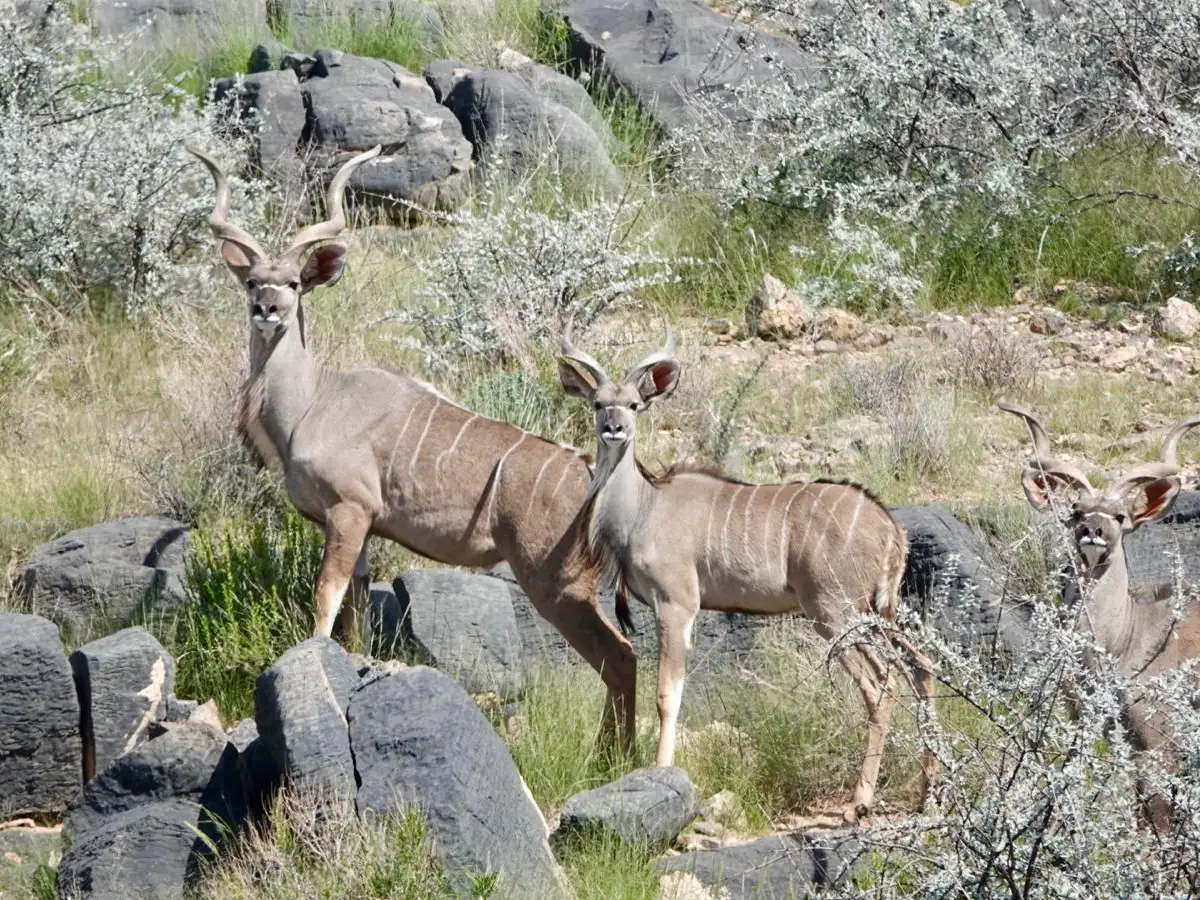
Restoration of the natural balance of fauna and flora
Former farmland does not immediately become natural land again. The management of the areas over the last 100 years has influenced the animal and plant world.
Flora
Overgrazing leads to bush encroachment. Grass is displaced by the bush. At the same time, the lack of grass cover leads to increased susceptibility to soil erosion. In areas where there is a clear imbalance in favor of the bushes, bush clearing is carried out. Grass is intended to take over parts of the areas again.
Fauna
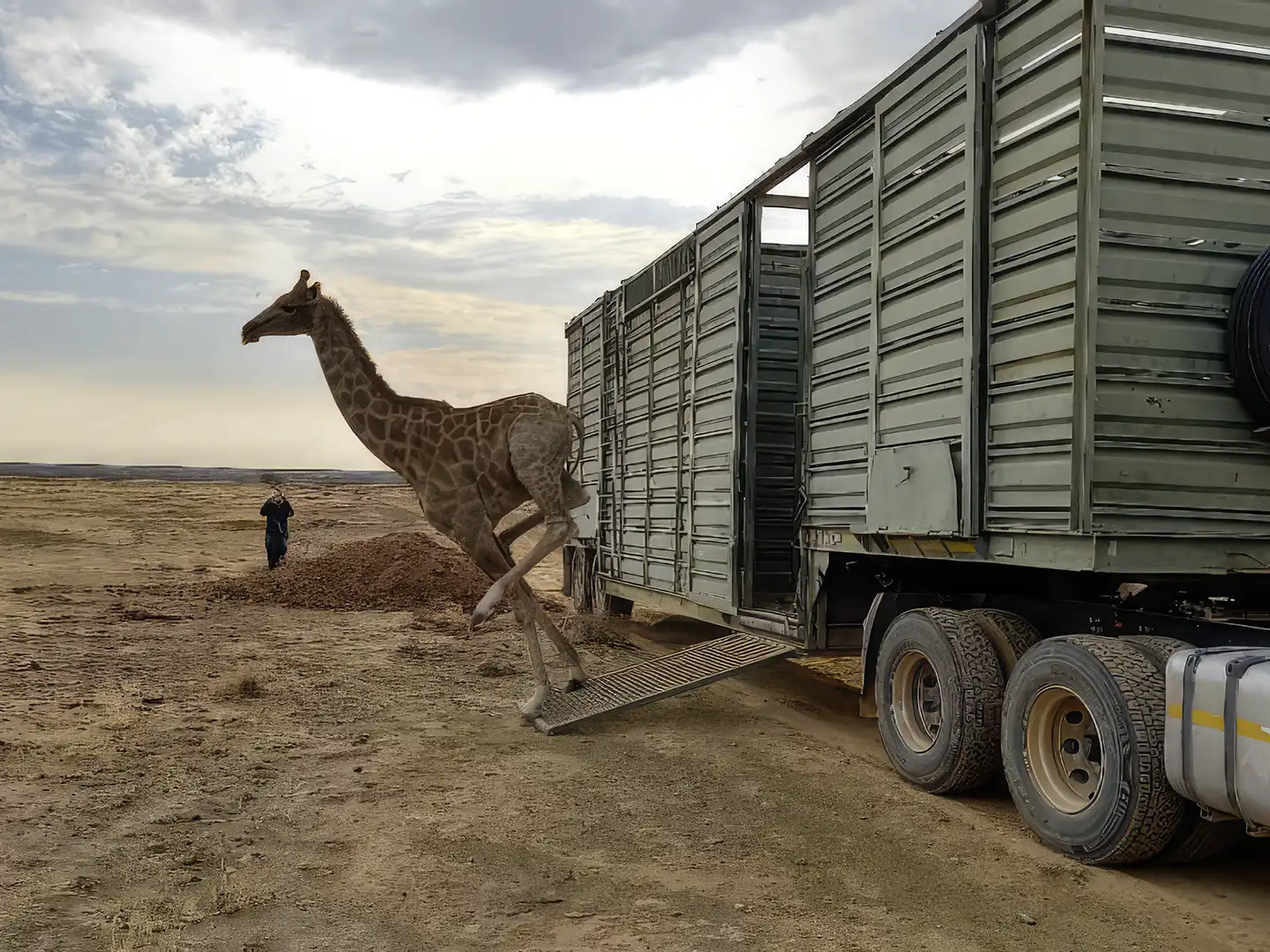
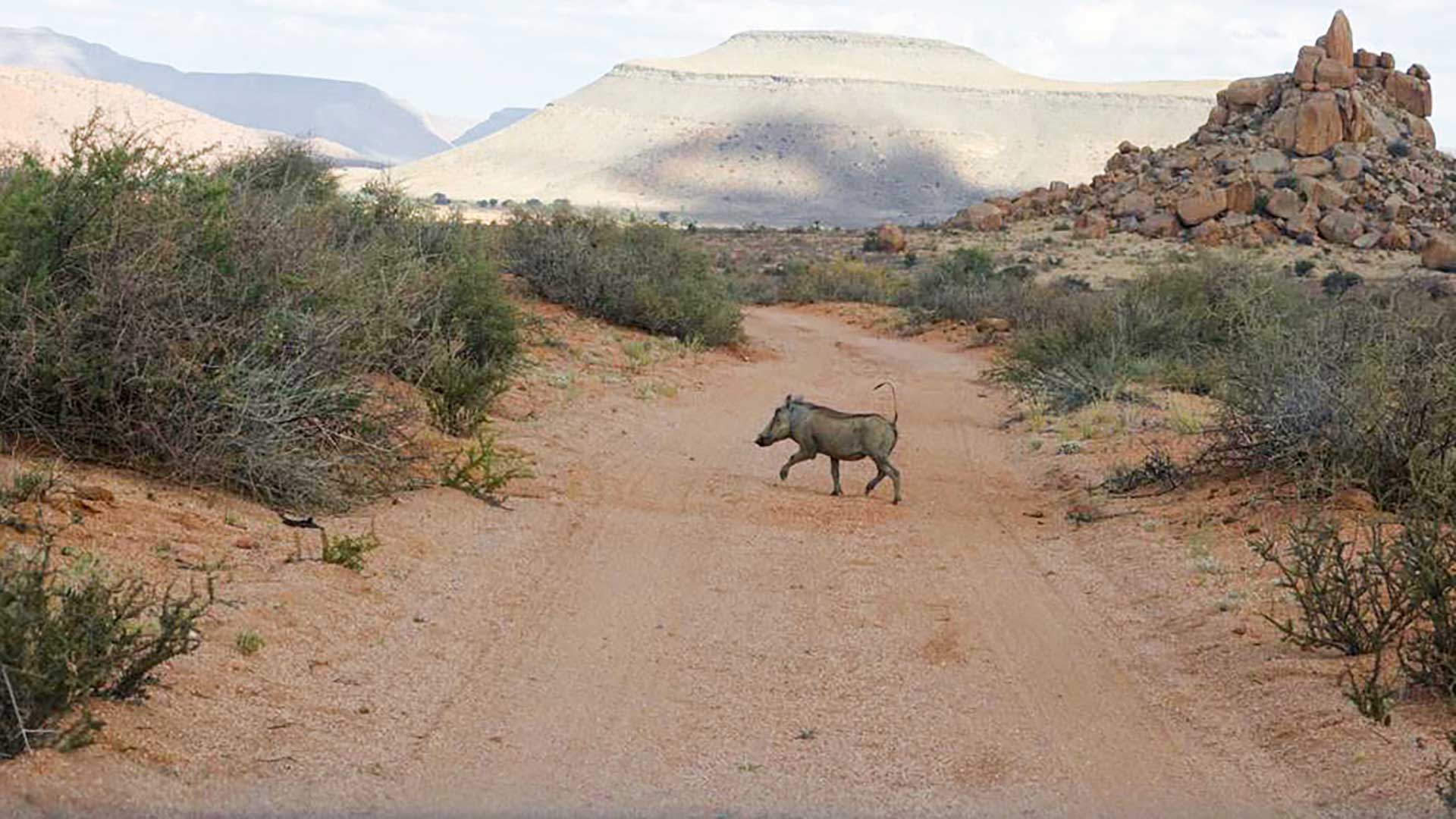
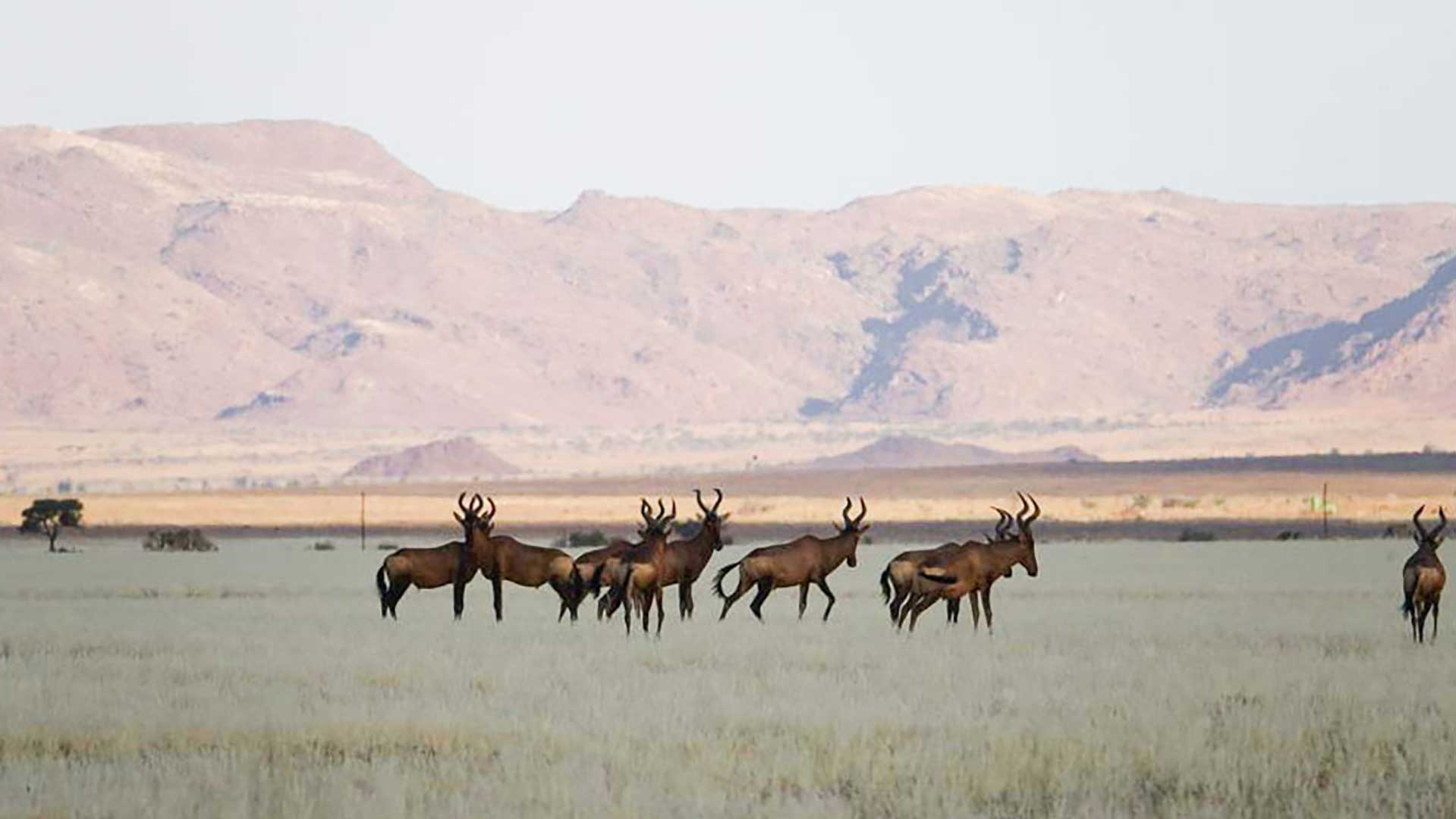
Animals were hunted. Predators because they killed sheep; ungulates because they could be used for meat and because they competed with livestock for food. In a nature reserve, a balanced composition of species should be sought. Some animals are actively reintroduced, while other species return on their own.
Erosion control
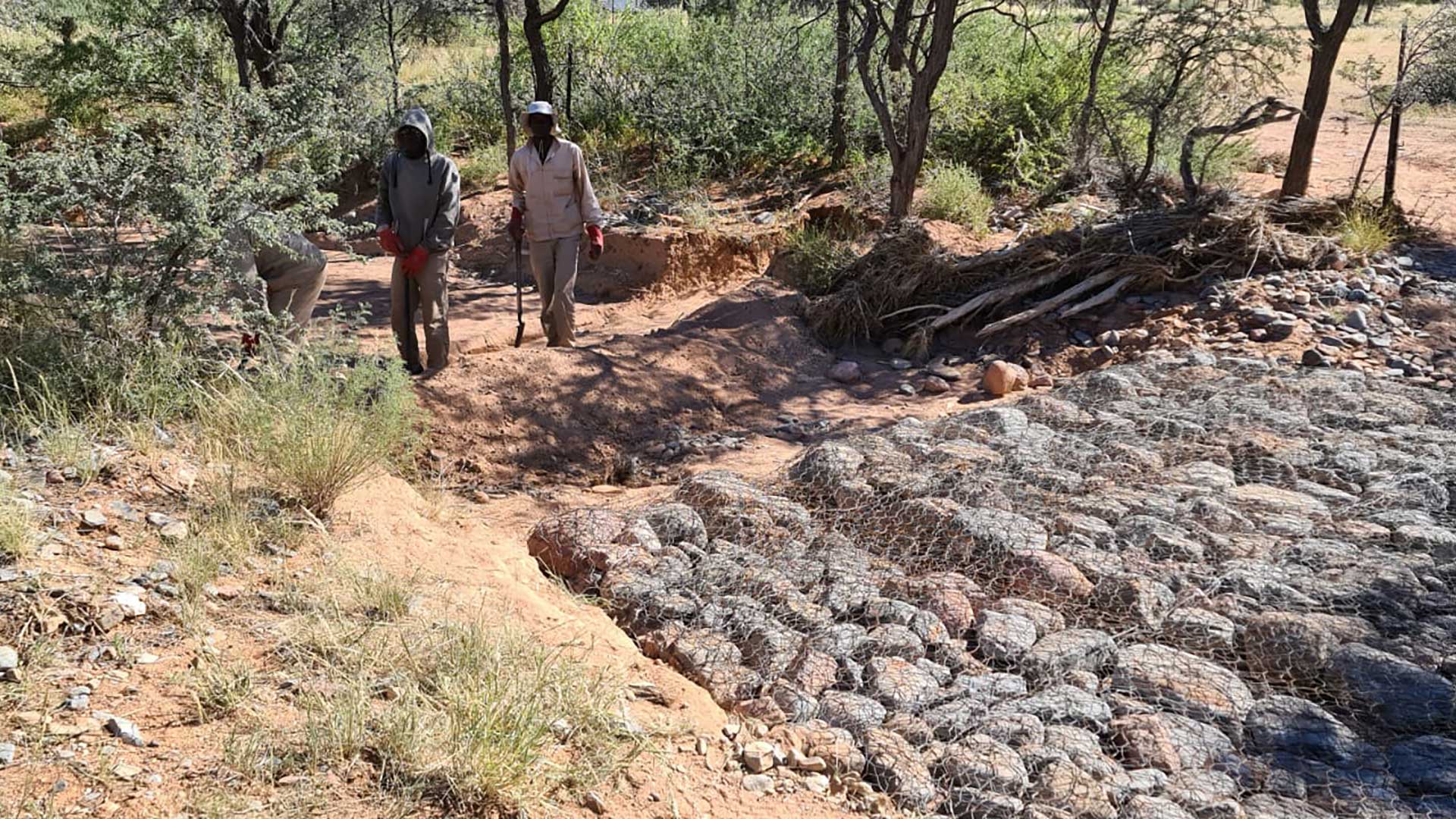
Erosion control
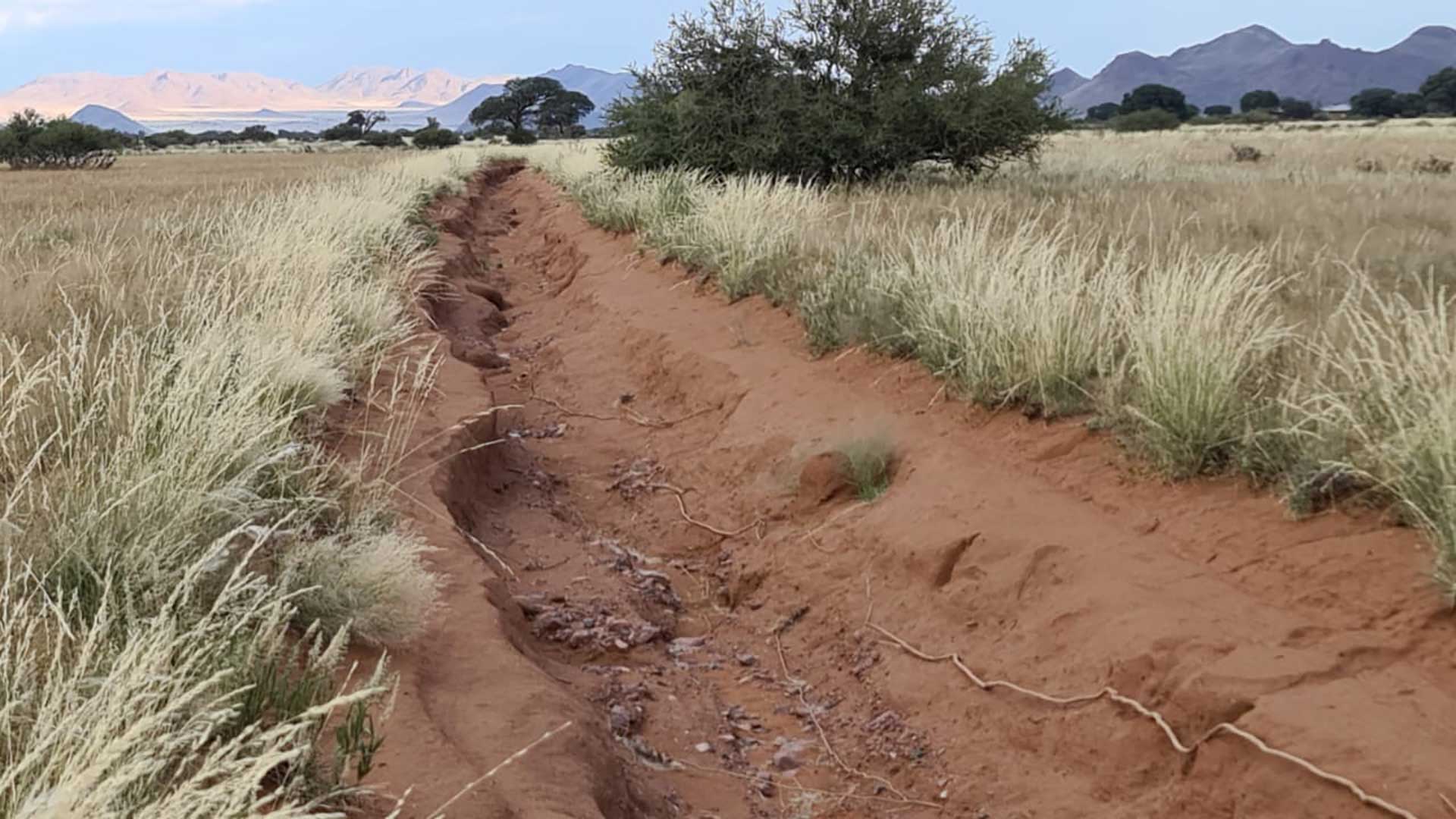
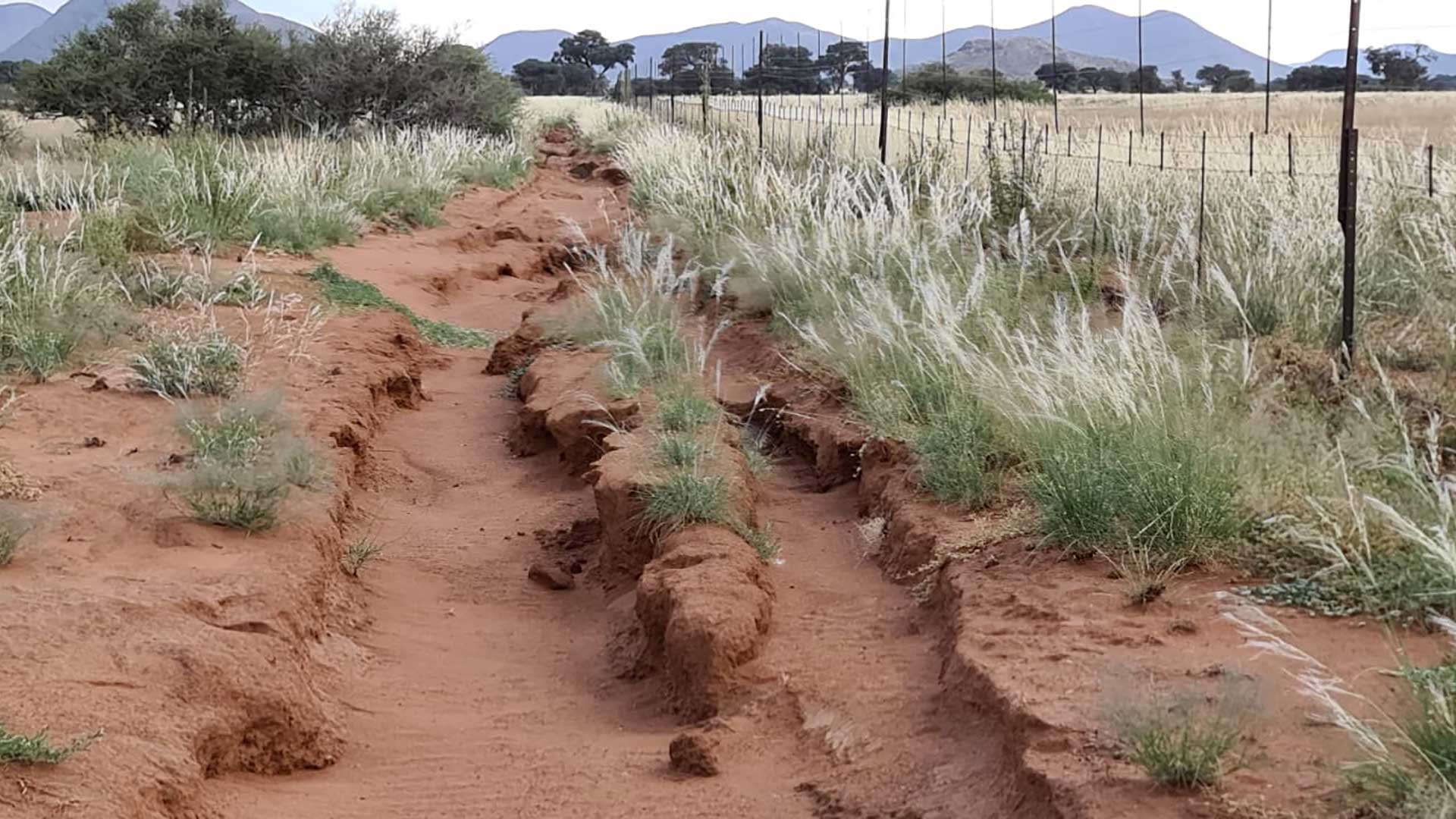
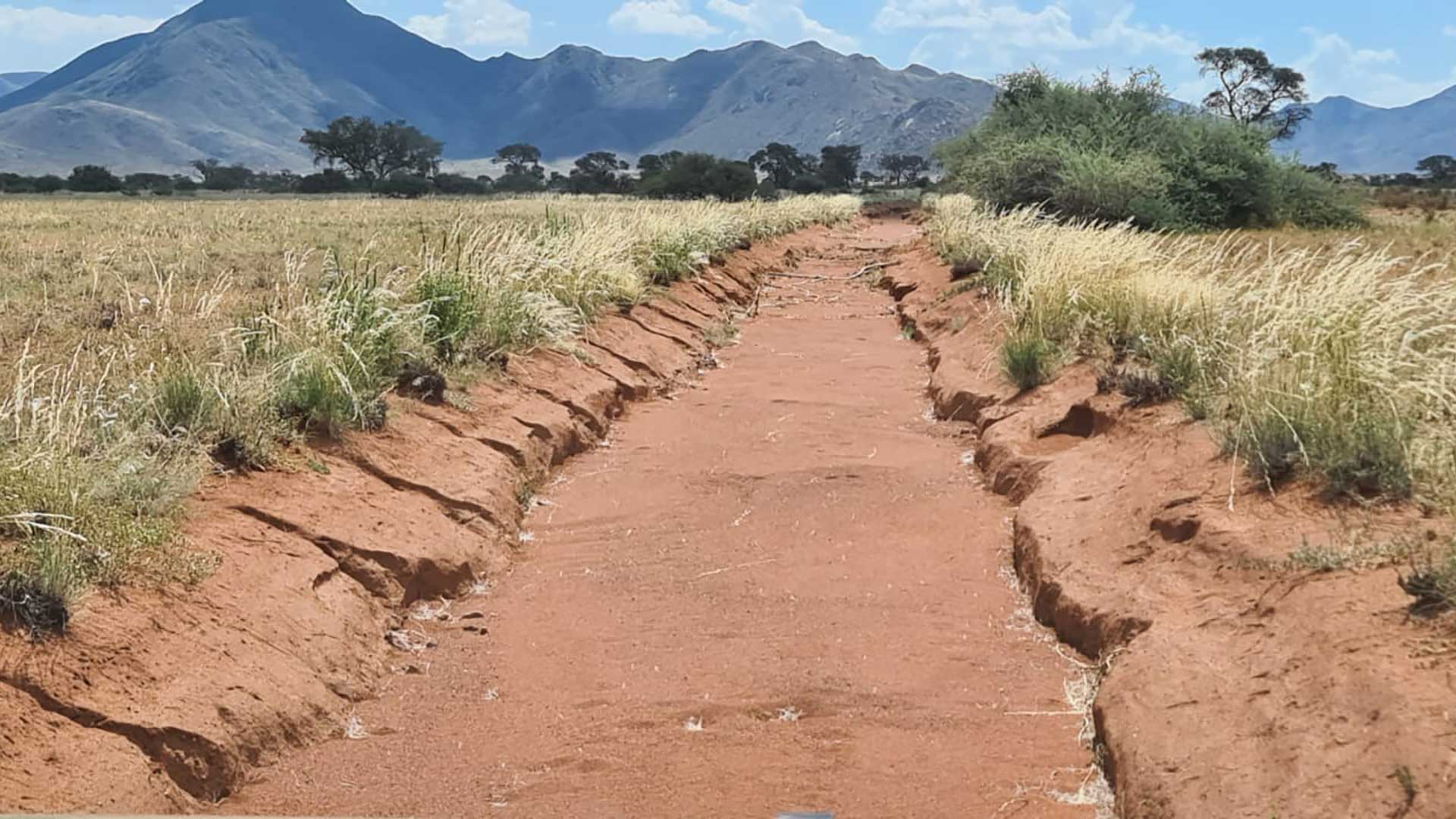
Aridity, long periods of drought, overgrazing, and poorly laid out paths are the main causes of erosion during rain.
Surface erosion
On dried-out soils without a grass sward, small drainage channels form immediately when it rains. These eat into the ground and combine to form larger and larger channels. This creates typical deltas, and soil is washed away. One possible measure is to create large, shallow obstacles on the slopes to slow down the runoff speed.
River erosion
Measure: Build small dams to reduce the flow velocity.
Road erosion
Construct roads slightly elevated and with side drains so that rainwater does not run off over the road surface and wash it out. Additional humps and drainage channels help to direct the water away from the road in a controlled manner. Curves should also be designed so that water can drain away specifically there.
These measures must be implemented over very large areas and are correspondingly costly and time-consuming. Erosion control is a permanent issue and will continue to be part of the reserve’s work for years to come.
Ondili has been working with the Wildland Namib Tsaris for years. Many of the measures described have already been implemented, while others are still ongoing.
Since the founding of the reserve, between 20 and at times up to 100 people have been involved in its development at the same time, depending on the construction and development phase. In this reserve alone, Ondili will create around 30 permanent jobs in nature conservation once it is fully established.
The two lodges in Wildland Namib Tsaris, Desert Homestead Lodge and Namib Outpost, contribute directly to the preservation of this area by contributing their entire annual profit—and thus every single guest does too.