
Discover Namibia
Ondili Lodges are located in various regions of Namibia—each with its own unique landscape and character. Between the desert, the coast, and the mountains, a diversity unfolds that reveals new facets the closer you look. Those who travel through these regions experience Namibia in ever-changing ways. Sometimes the wildlife takes center stage, like in Etosha National Park, and other times it's the impressive scenery, like the Namib with its towering dunes. Cities like Windhoek or Swakopmund also add their own touch, shaping the journey in very different ways.
Often, a personal favorite emerges all on its own—and just as often, it’s challenged by the next destination. Perhaps it’s this very diversity that makes it so hard to choose. The different facets that make up Namibia—Ondili loves them all.
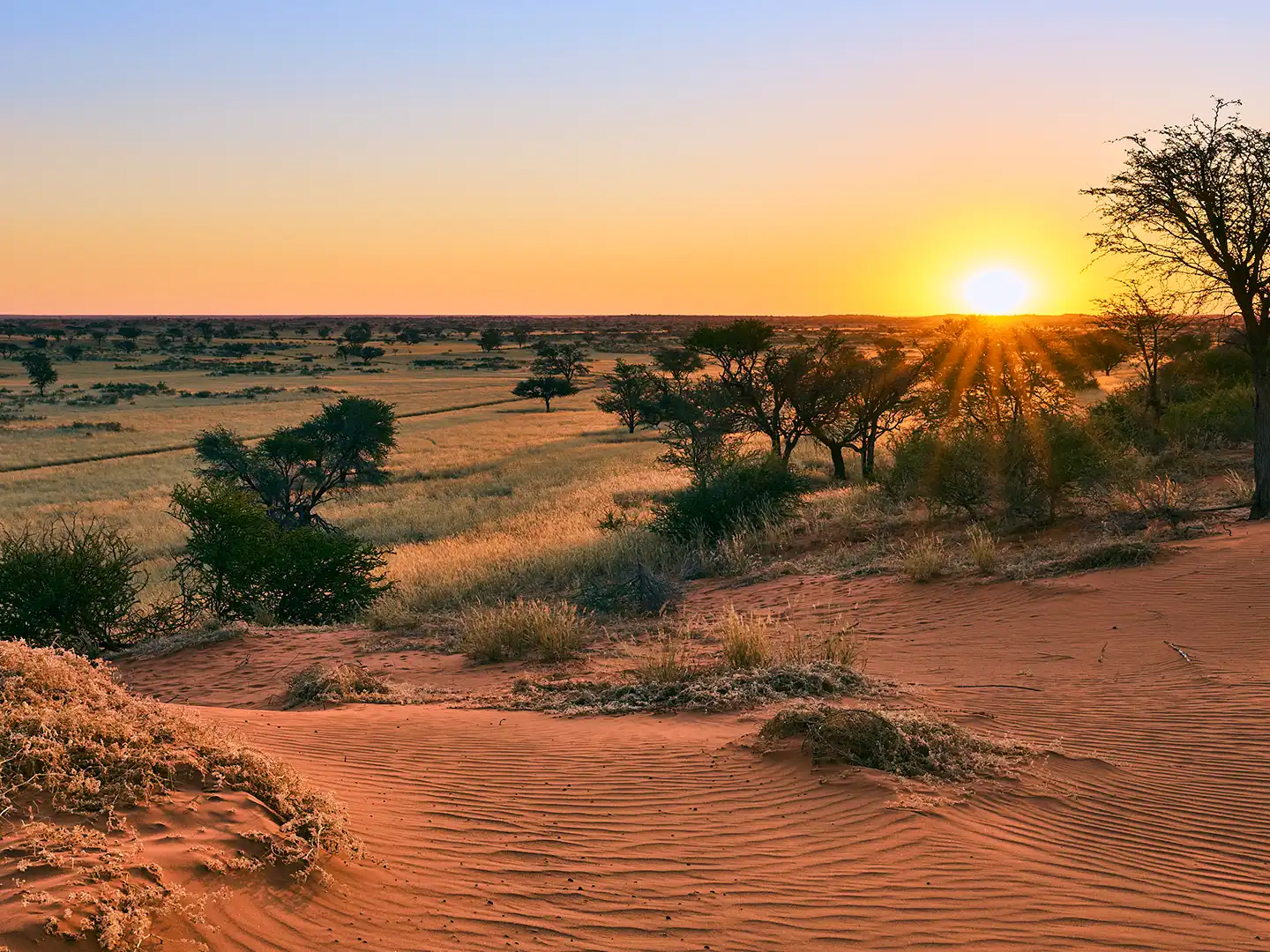
Kalahari Region
Red, seemingly endless dune chains, interspersed with grassy valleys and sparse tree savanna.
Learn more
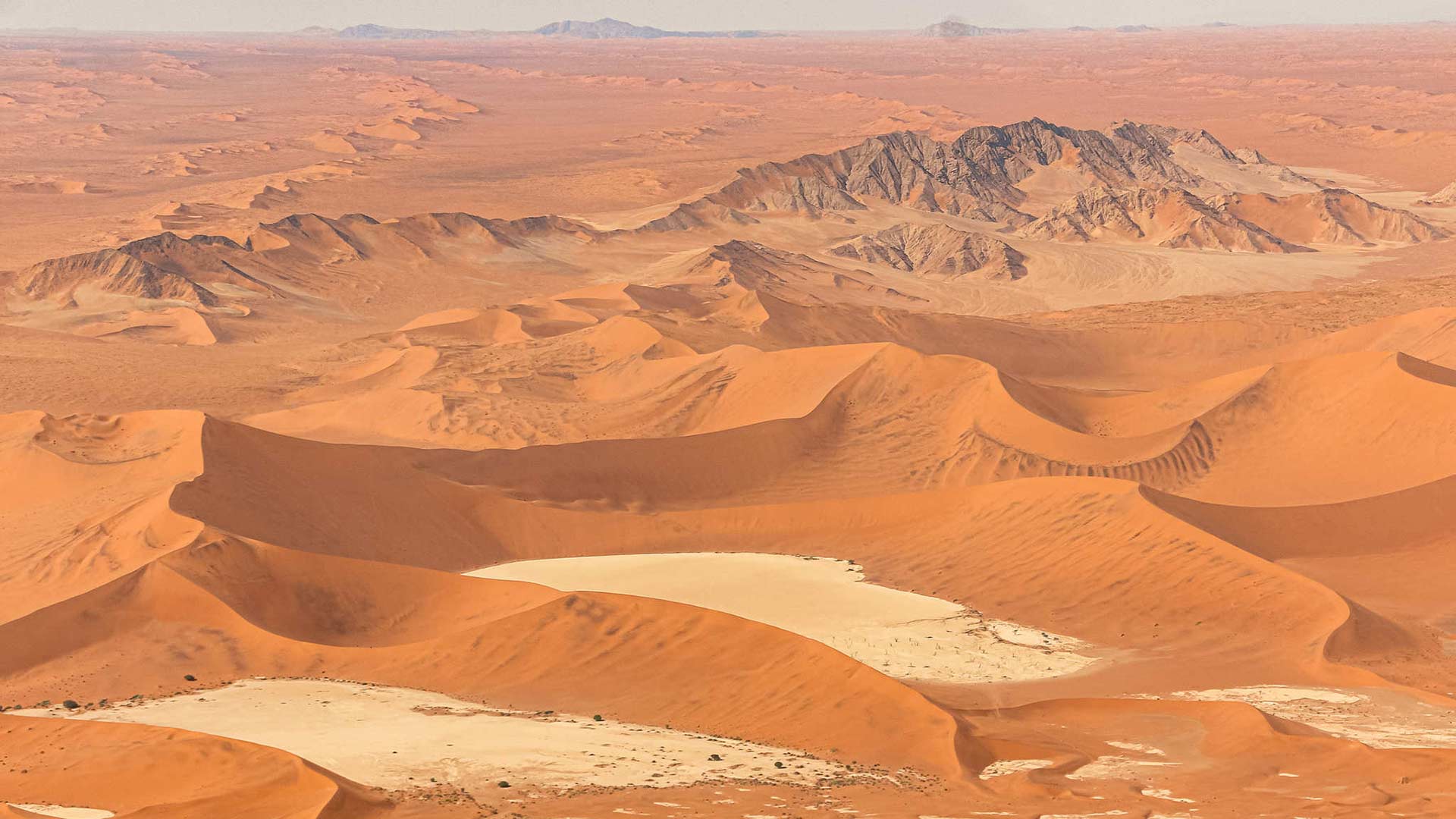
Namib Region
The world’s highest dunes in the world’s oldest desert – bordered by the Atlantic on one side and mountains up to 6,500 ft high on the other.
Learn more
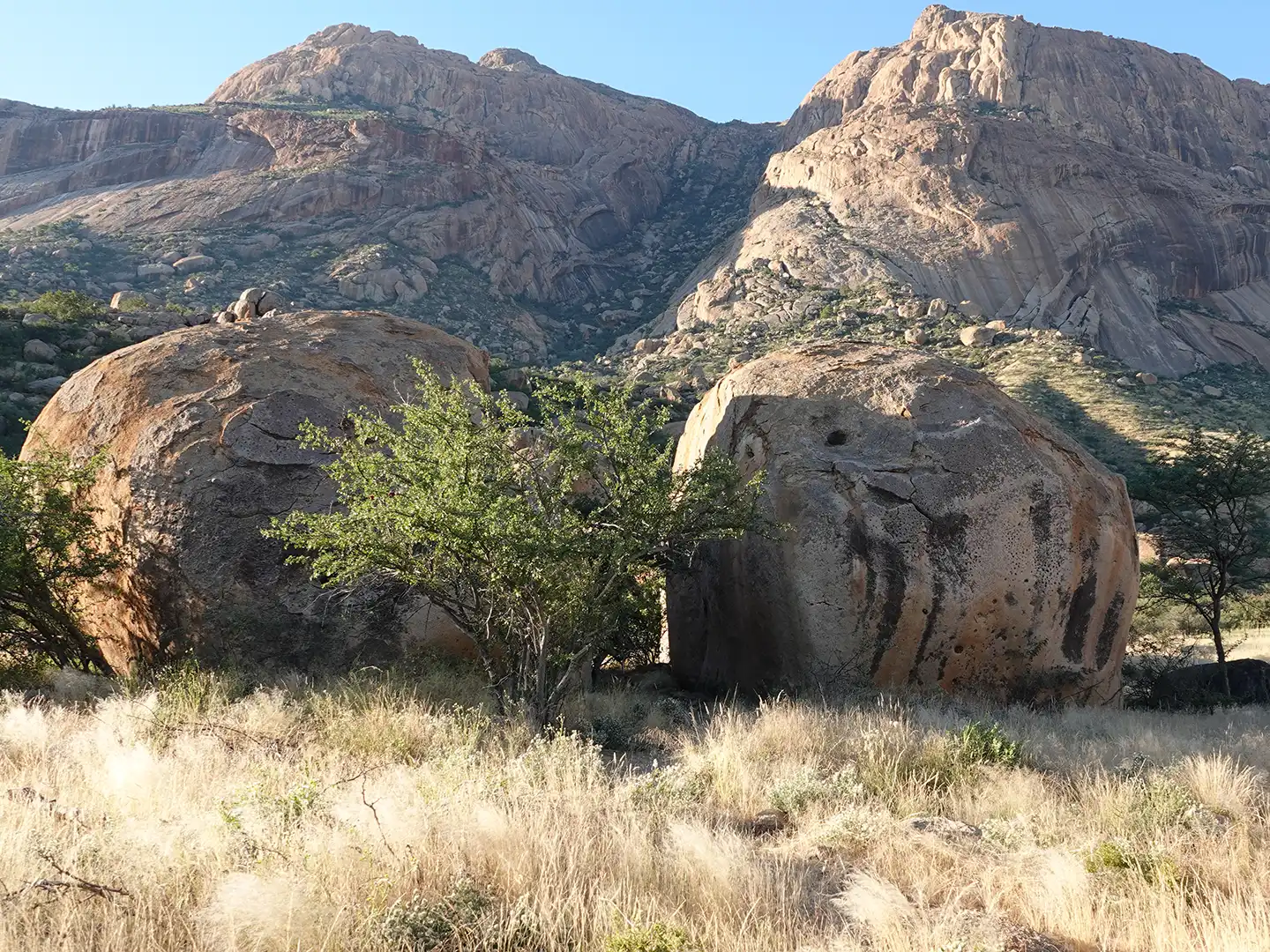
Erongo Region
A landscape of bizarre granite formations, wild gorges, sandy riverbeds, and rich wildlife.
Learn more
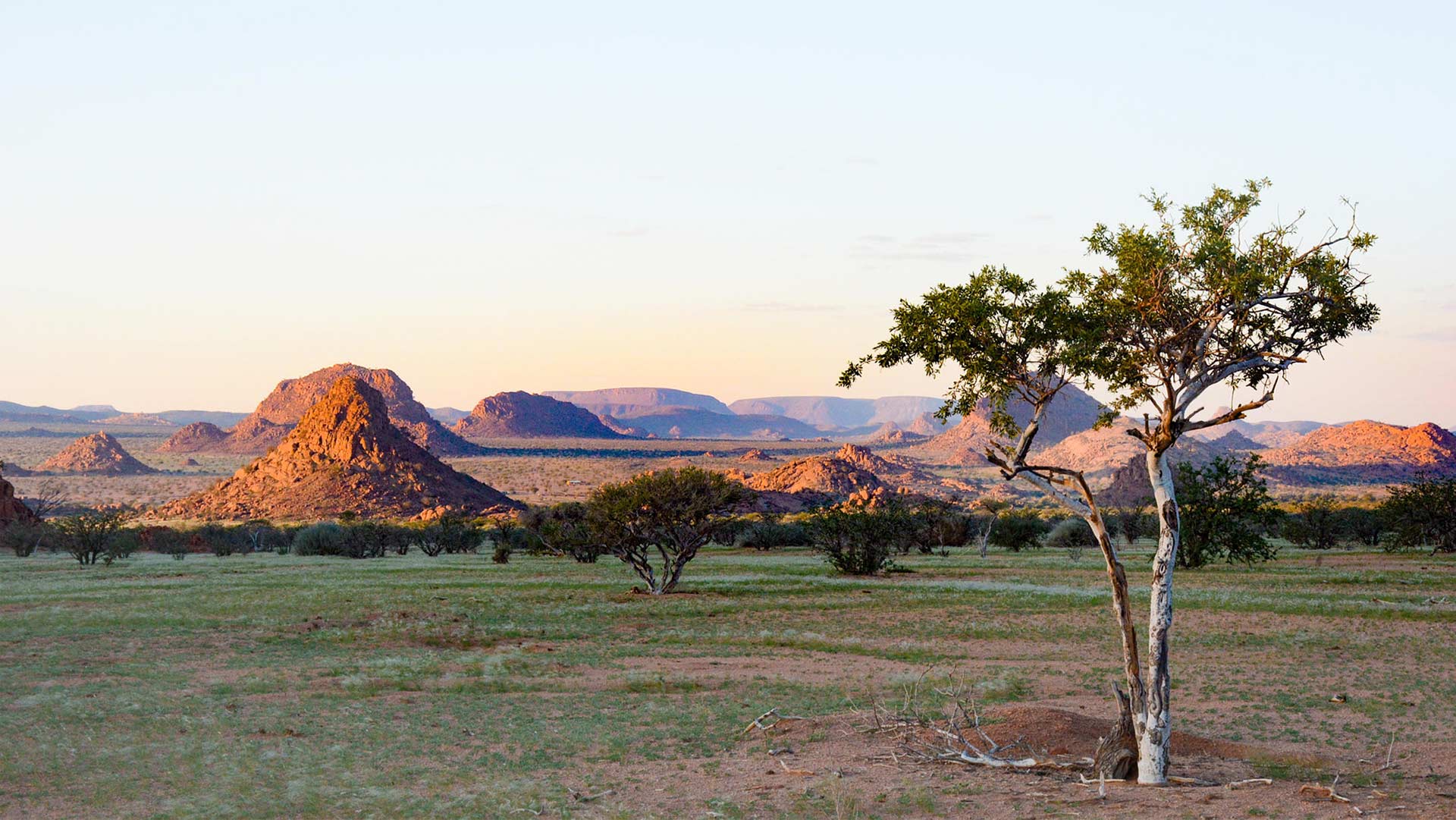
Damaraland Region
Desert elephants, granite mountain landscapes, gallery forests along ephemeral riverbeds, and millennia-old rock engravings characterize this region.
Learn more
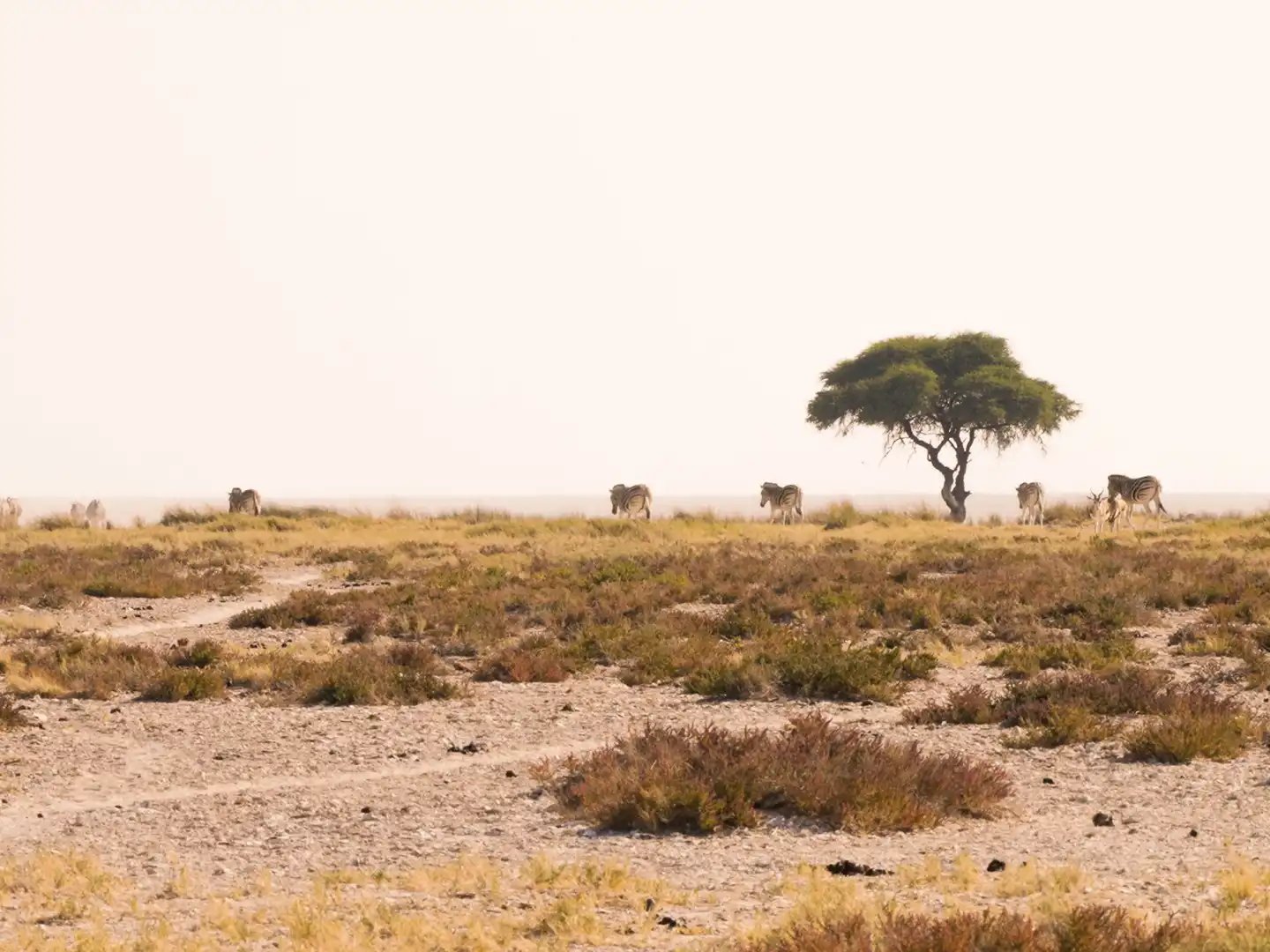
Etosha Region
The wildlife paradise around the huge white salt pan, which turns into a lake during the rainy season. Flat, wide landscape with Mopane forests on white earth.
Learn more
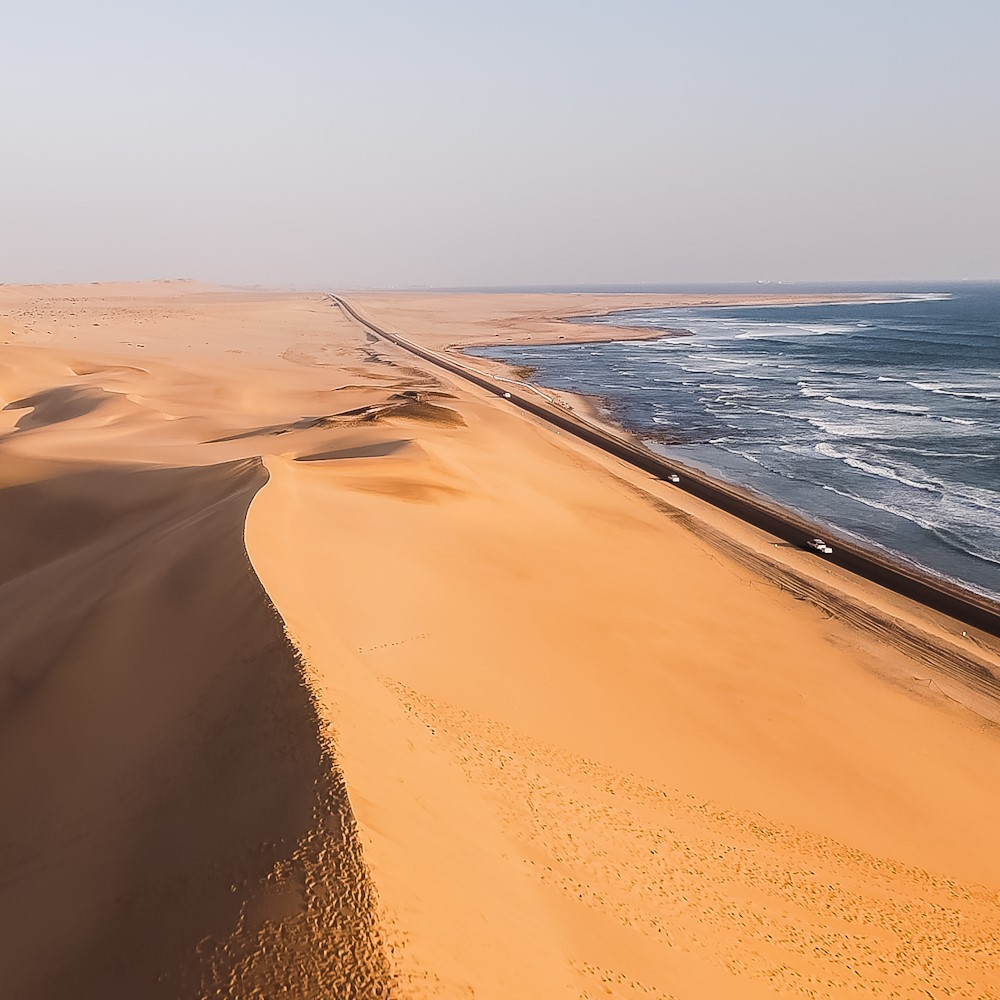
Swakopmund Region
A coastal town with colonial charm – a special transition spans here between the Atlantic and the Namib Sand Sea.
Learn more
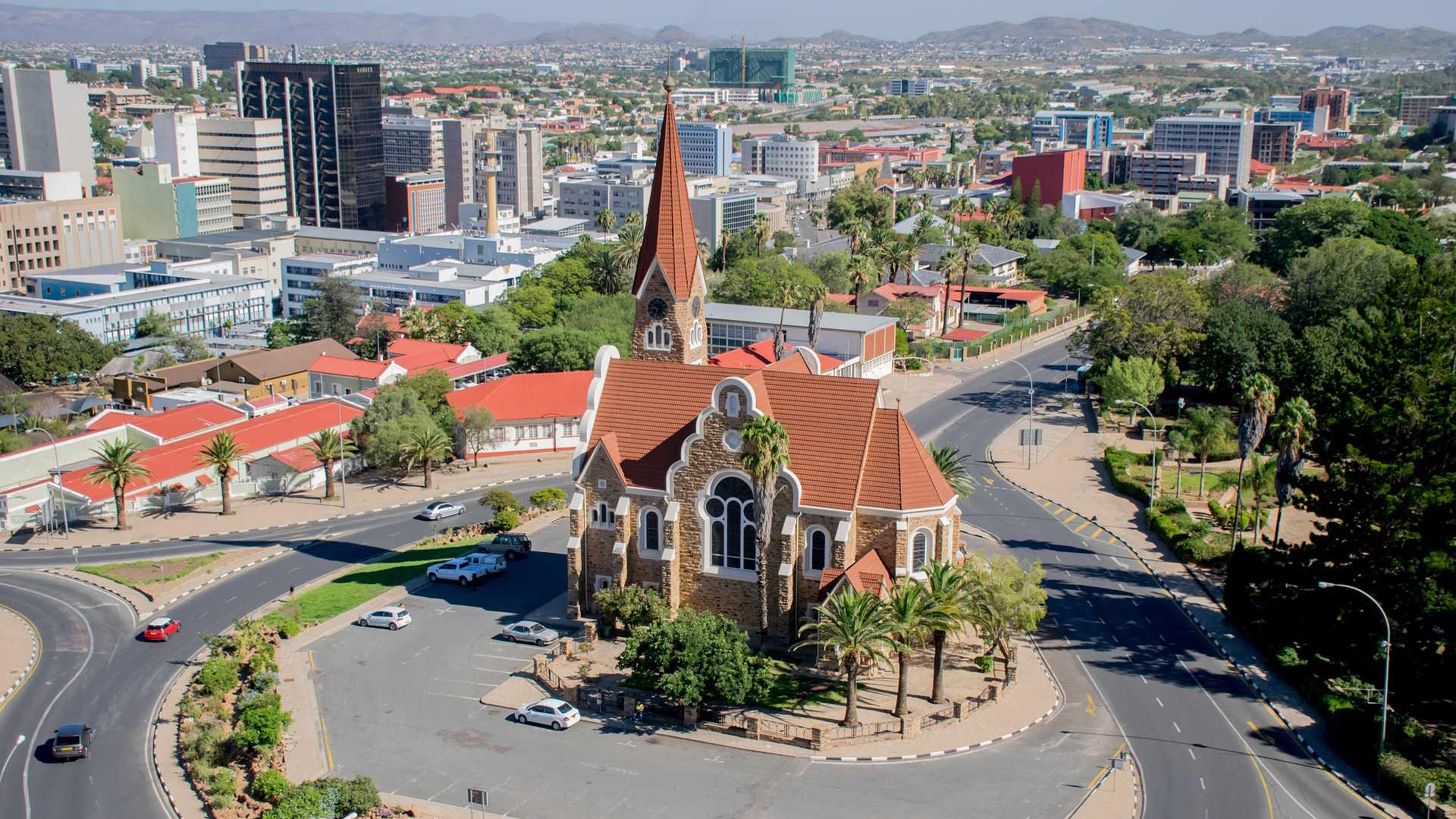
Windhoek Region
Almost hidden, nestled between hills, Namibia’s center pulsates here – a vibrant capital where genuine big-city dynamics and colonial traces overlap.
Learn more
Tour with the Ondili Signature Route
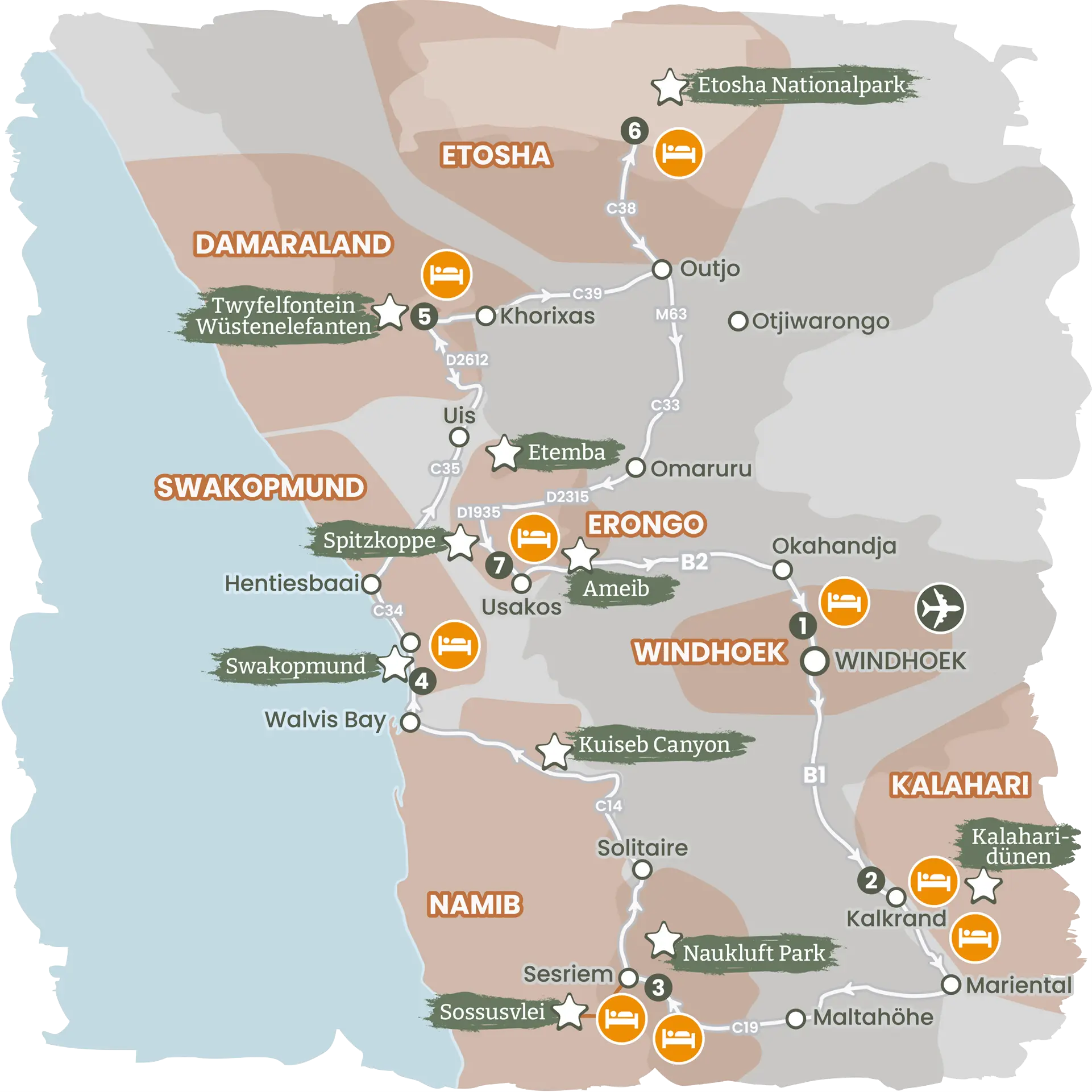
Namibia can be explored with Ondili on well-coordinated routes that connect overnight stays in the various lodges. The suggested itineraries serve as guidance and showcase the diversity of the country’s landscapes and regions.
Whether Kalahari, Namib Desert, Damaraland, or Etosha, the lodges are each located in close proximity to characteristic natural and cultural areas, allowing for targeted exploration of the country’s diverse landscapes.
Kalahari Region

Kalahari Region
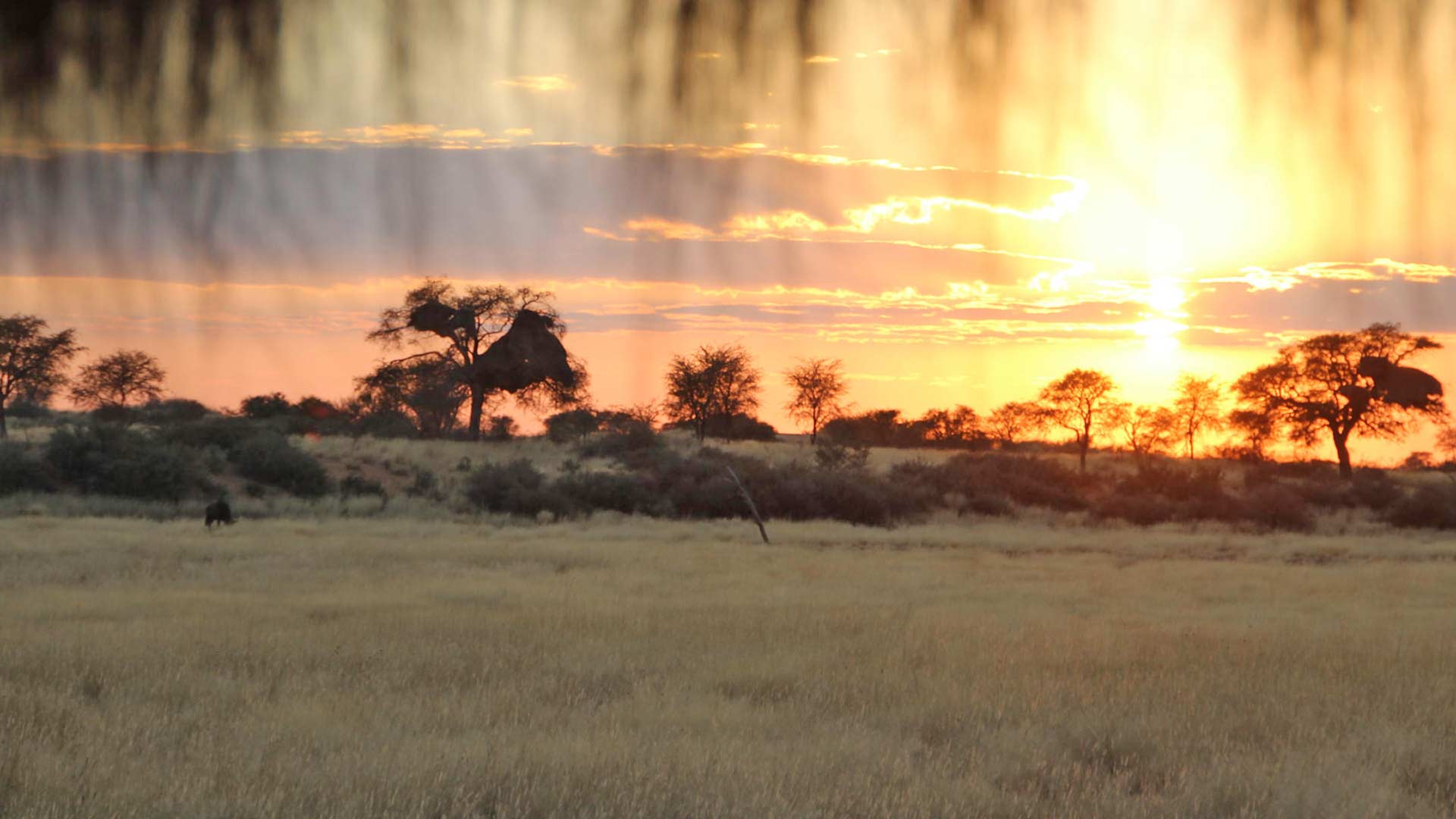
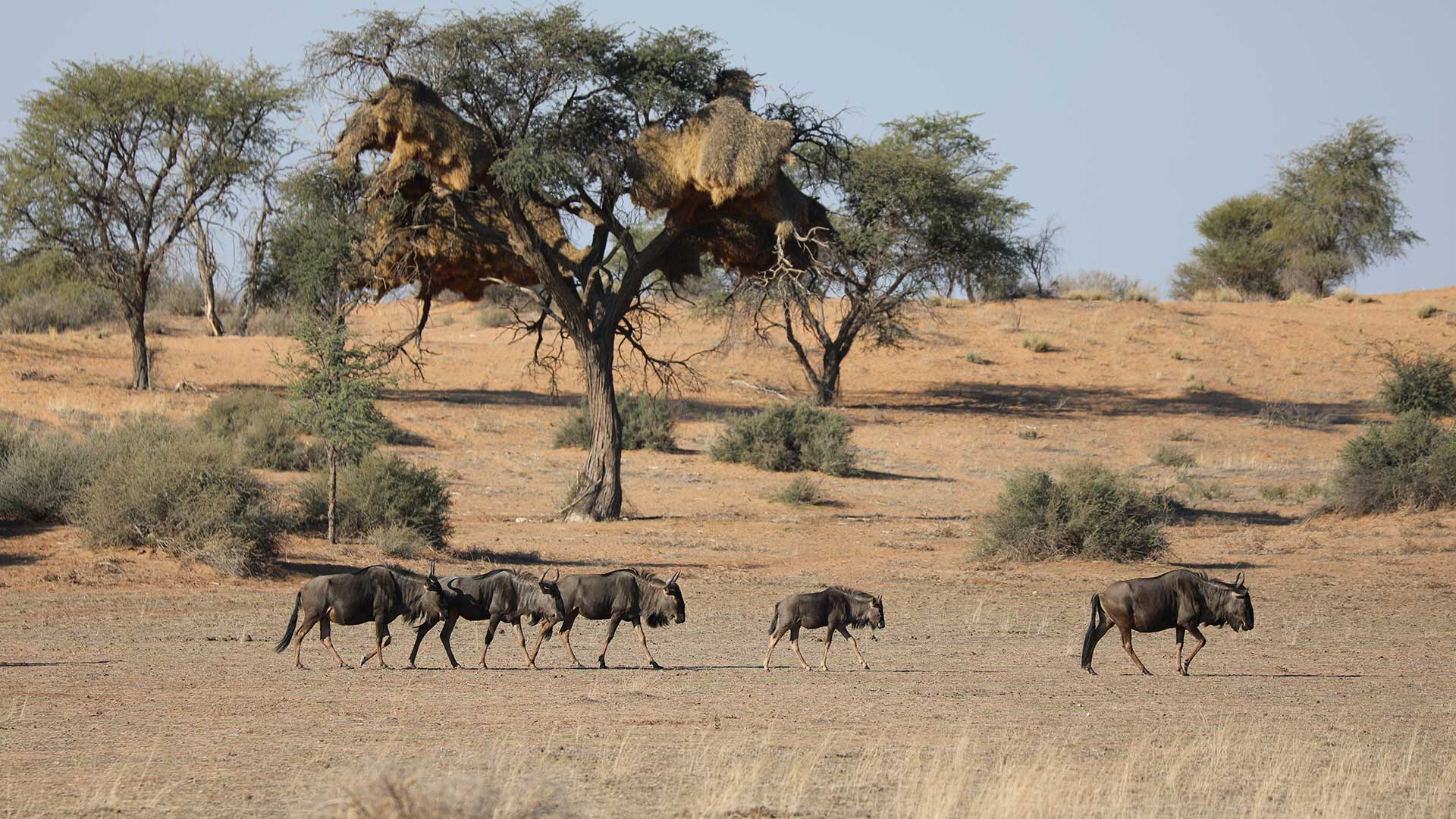
The desert that isn’t really one. The Kalahari is often referred to as a desert – mainly because of its red sand dunes and aridity. In fact, it is a savanna where grasses, shrubs, and acacia trees grow, extending beyond Namibia into Botswana and South Africa.
The gently rolling dunes stretch like waves across the land, changing their colors depending on the light and season – from warm reds to soft oranges and shimmering silver hues. Especially in the early morning and late afternoon, long shadows emerge, making the dune shapes stand out clearly.
Despite its quiet, almost still appearance, the Kalahari is a vibrant ecosystem. Antelopes, giraffes, and numerous smaller animals have adapted to the conditions and can be observed well with a little patience.
Namib Region
Namib Region
Sossusvlei and Deadvlei are among Namibia’s most famous landscapes and are part of the UNESCO World Heritage Namib Sand Sea – making them absolute must-sees in the country.
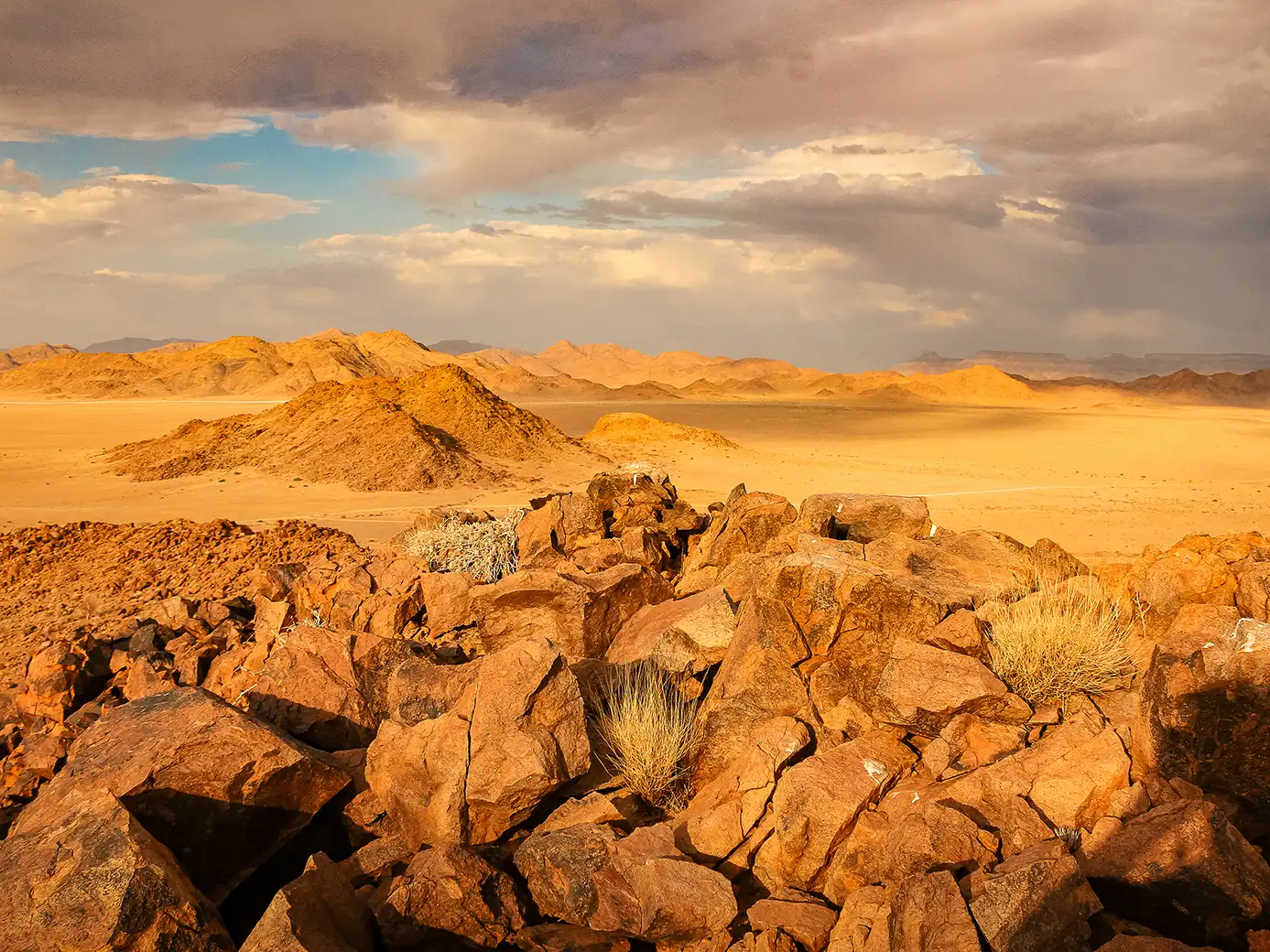
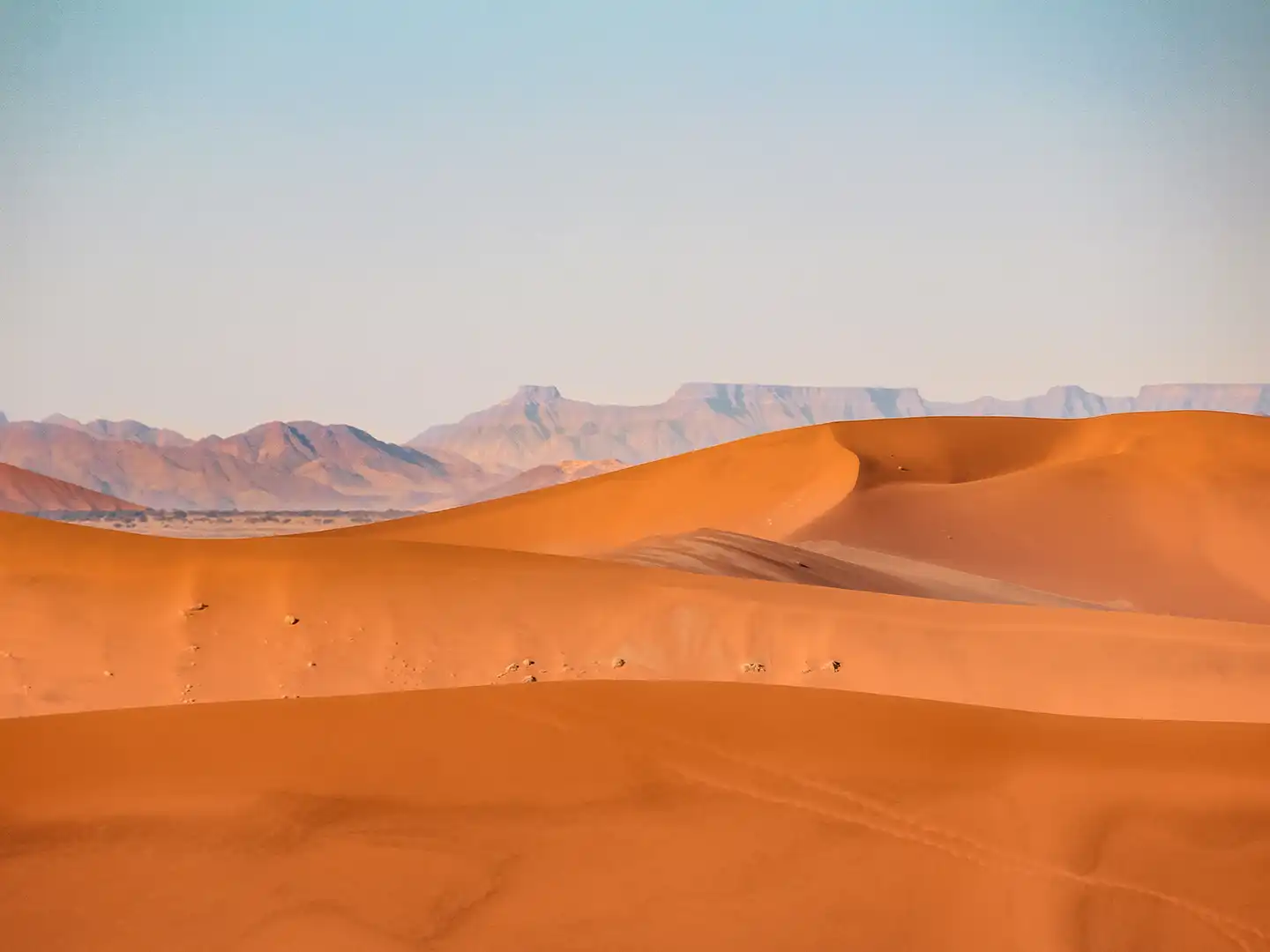
The region is characterized by a sea of red dunes around Sossusvlei. Further away, vast grass and sand plains open up, stretching over large areas and shaping the landscape. Dry riverbeds with camel thorn acacias traverse these plains, while isolated, sand-swept inselbergs create striking accents. The Tsaris Mountains, a mountain range up to 6,500 feet high, form the backdrop. Despite the extreme conditions, a surprisingly diverse wildlife has adapted to the Namib’s environment. At the same time, this region is one of the country’s most sensitive landscapes.
Several large private nature reserves are located in these very landscapes. The Namib Tsaris Nature Reserve, belonging to Ondili, is one of them.
.
Erongo Region
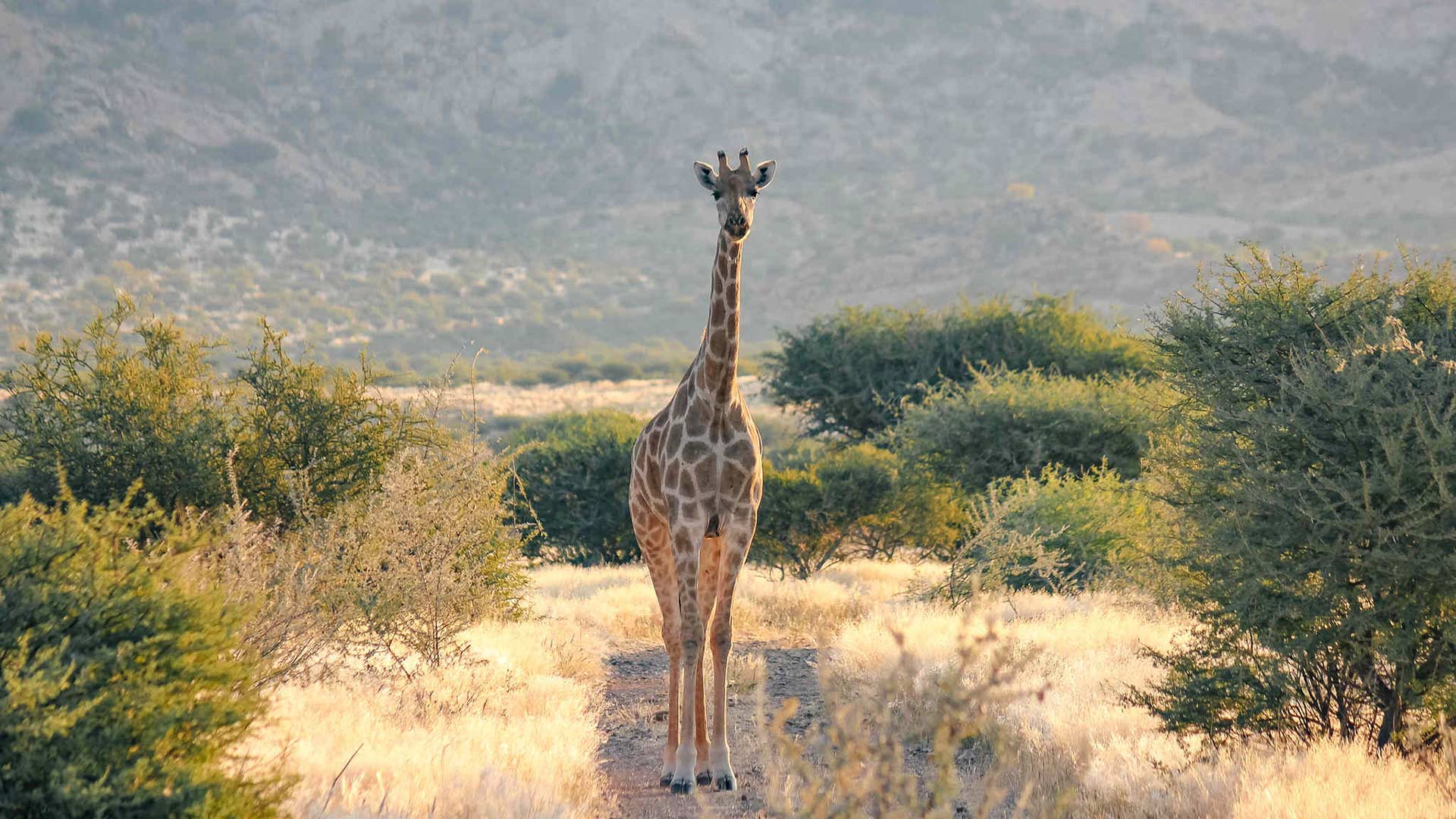
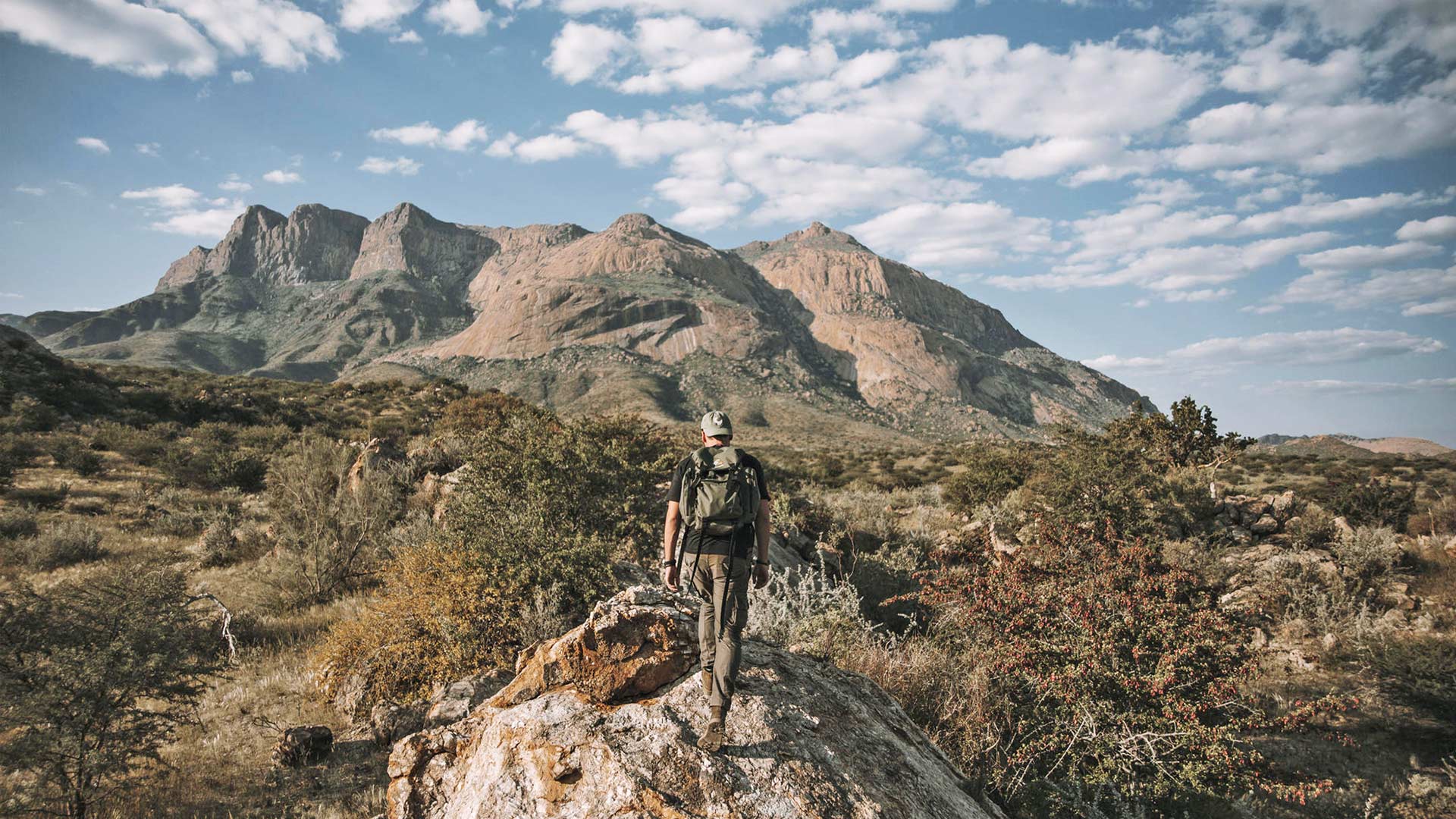
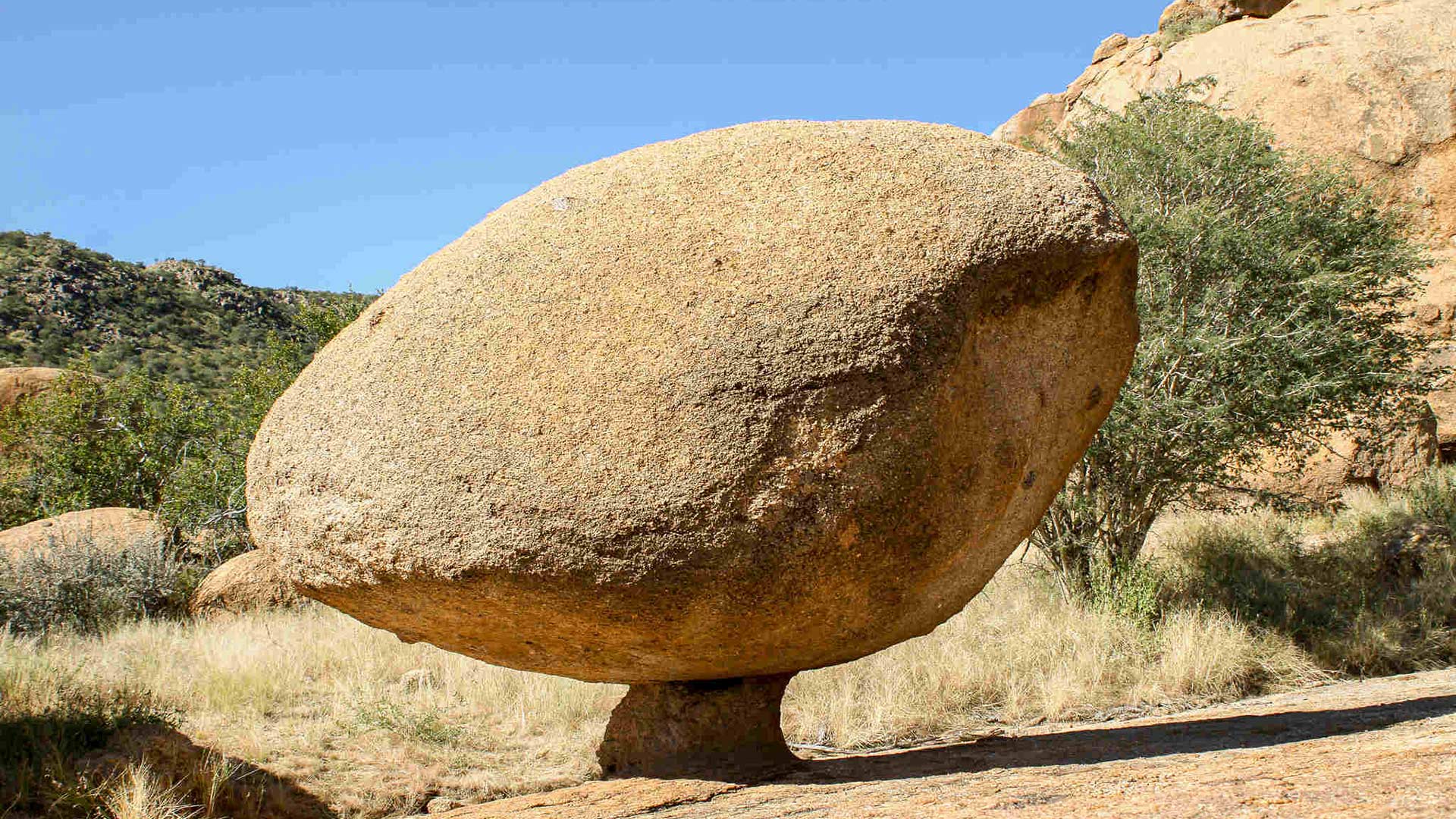
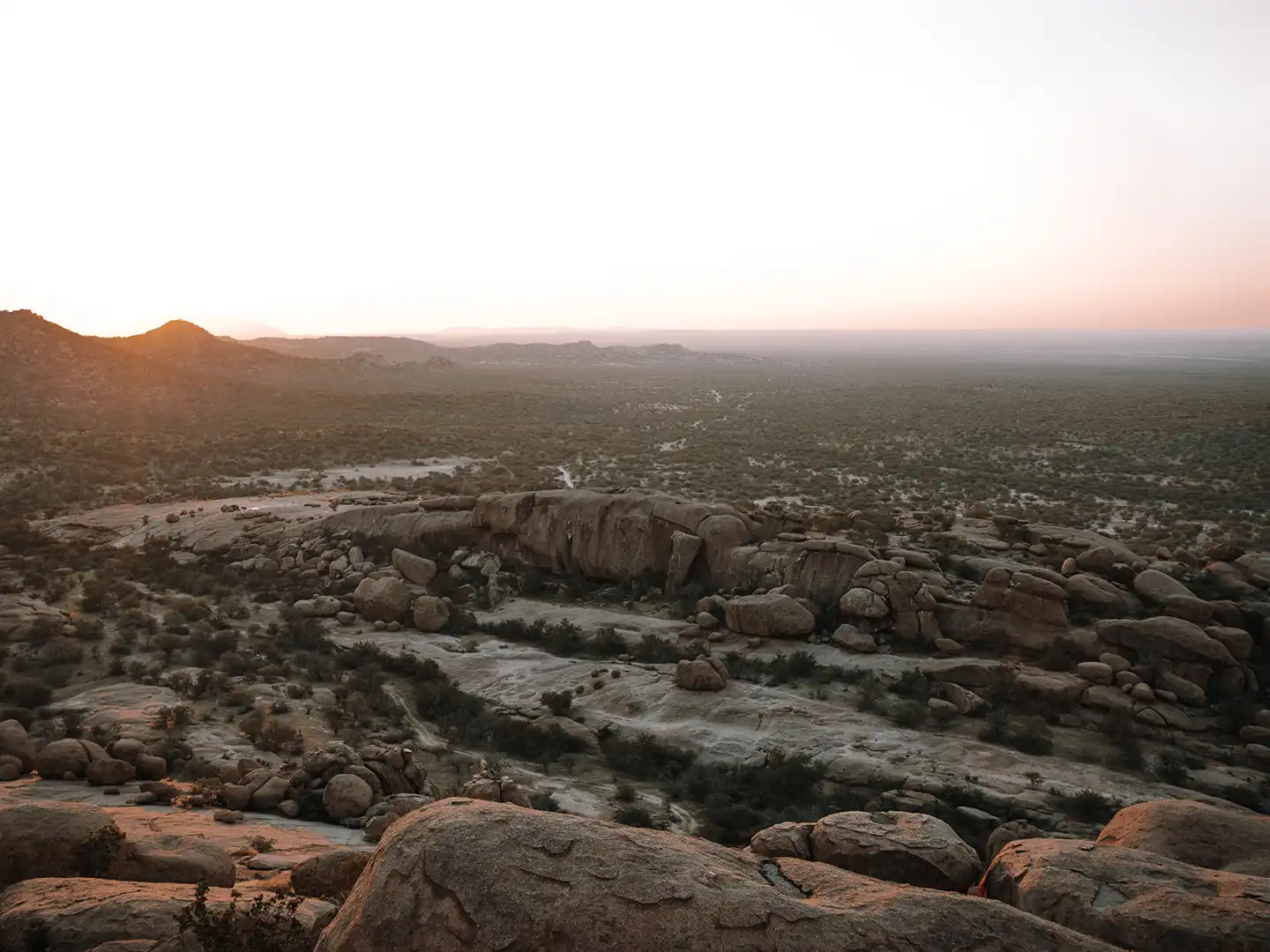
Erongo Region
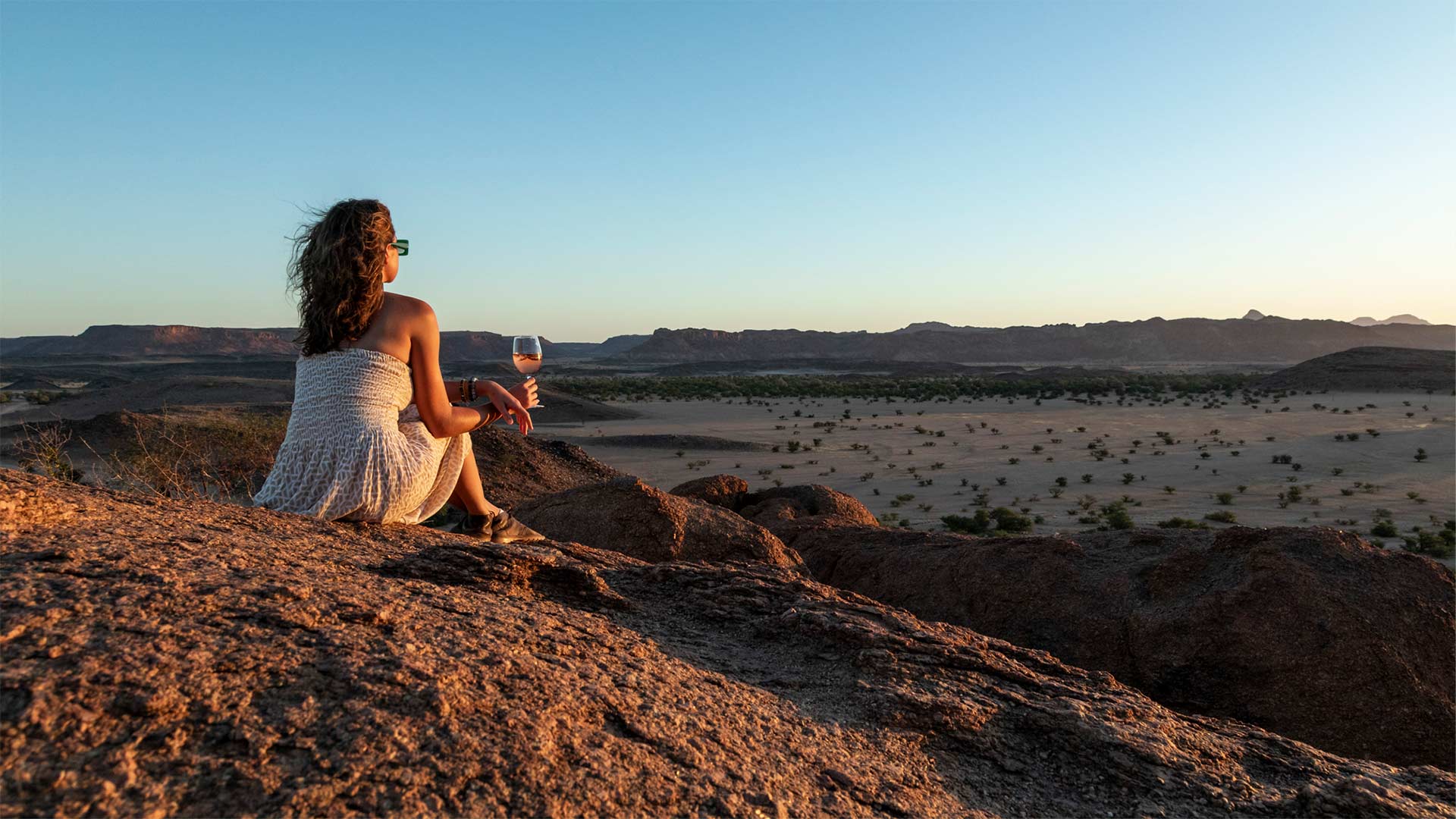
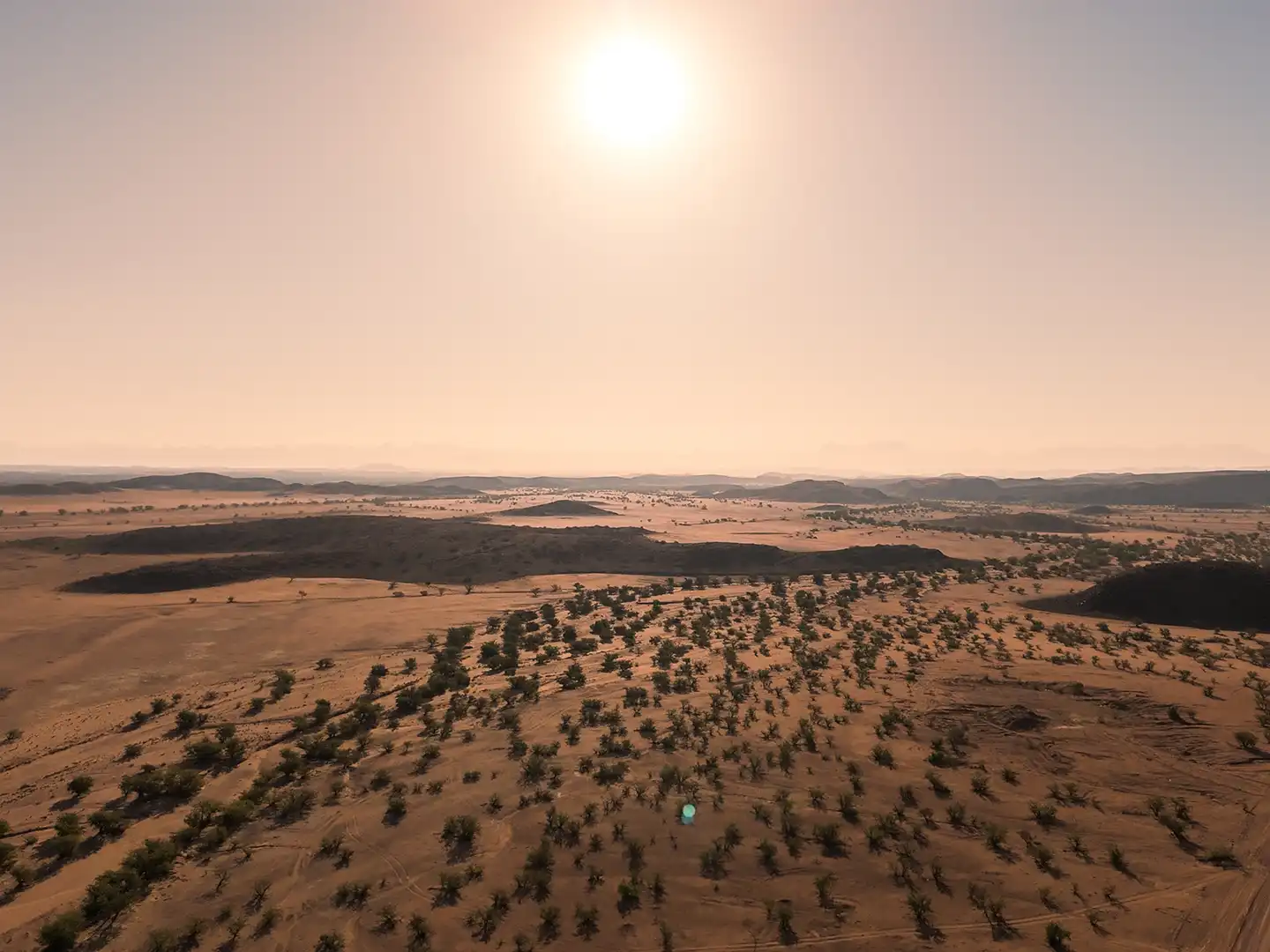
For many visitors, Damaraland, especially the valley around Twyfelfontein, traversed by the dry riverbeds of the Abahuab and Huab, is considered Namibia’s most beautiful landscape. The region appears wild and solitary. Dark granite mountains and hills in various shades of brown, gray, and black rise from the light desert sand. Anab trees grow in the valleys of the dry riverbeds – they form the lifelines of this landscape. The valleys are the few areas where life can permanently sustain itself, thus shaping the entire fabric of the region.
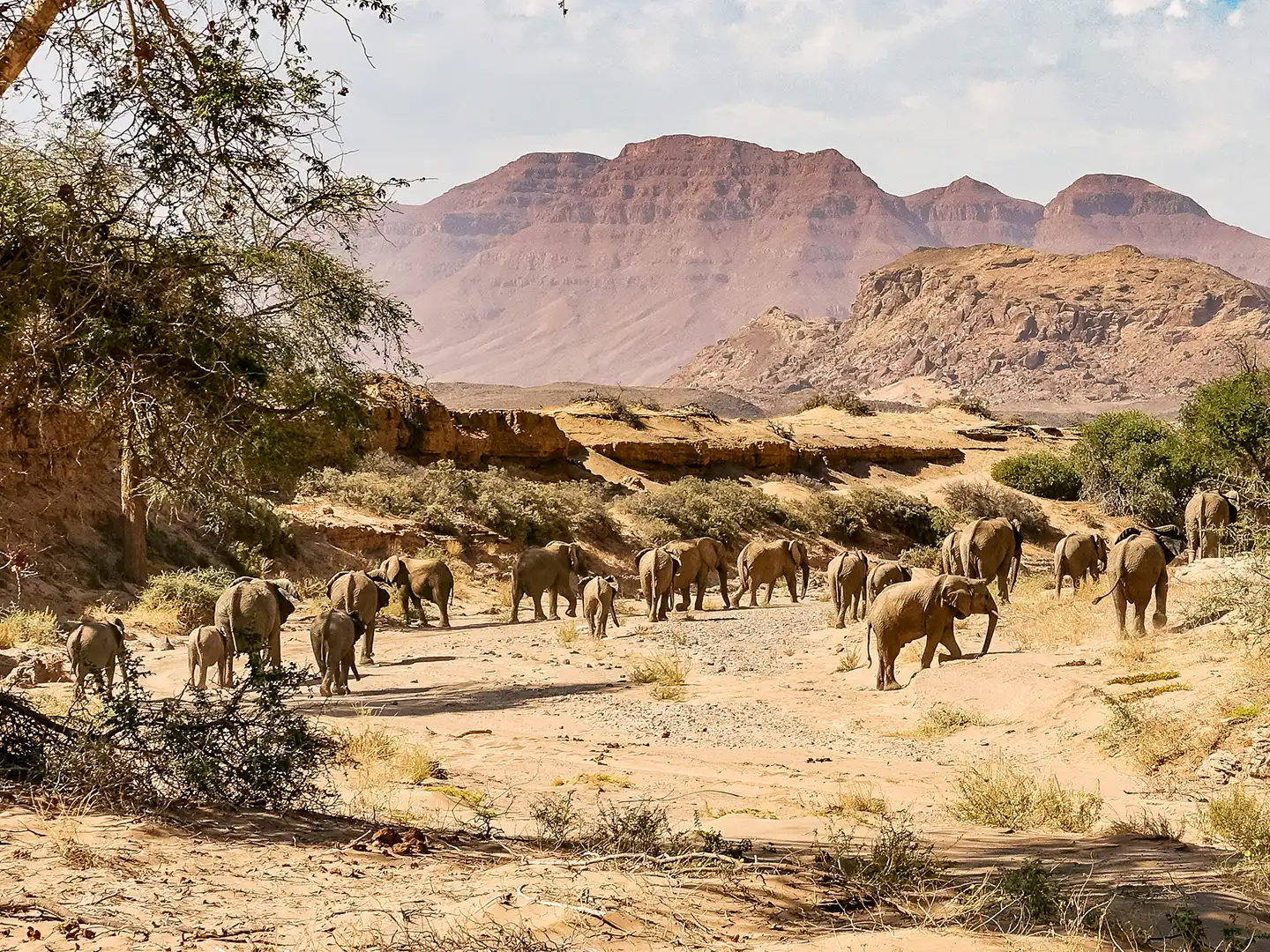
Here you also encounter desert elephants, which have adapted to these extreme conditions. They follow the dry riverbeds for long distances, know the few waterholes, and specifically utilize the vegetation in the valleys – always in close connection with the landscape in which they live. Encounters with them are among the very special moments of a journey through Damaraland.
Damaraland Region
Damaraland Region
For many visitors, Damaraland, especially the valley around Twyfelfontein, traversed by the dry riverbeds of the Abahuab and Huab, is considered Namibia’s most beautiful landscape. The region appears wild and solitary. Dark granite mountains and hills in various shades of brown, gray, and black rise from the light desert sand. Anab trees grow in the valleys of the dry riverbeds – they form the lifelines of this landscape. The valleys are the few areas where life can permanently sustain itself, thus shaping the entire fabric of the region.
Here you also encounter desert elephants, which have adapted to these extreme conditions. They follow the dry riverbeds for long distances, know the few waterholes, and specifically utilize the vegetation in the valleys – always in close connection with the landscape in which they live. Encounters with them are among the very special moments of a journey through Damaraland.
Etosha Region
Etosha Region
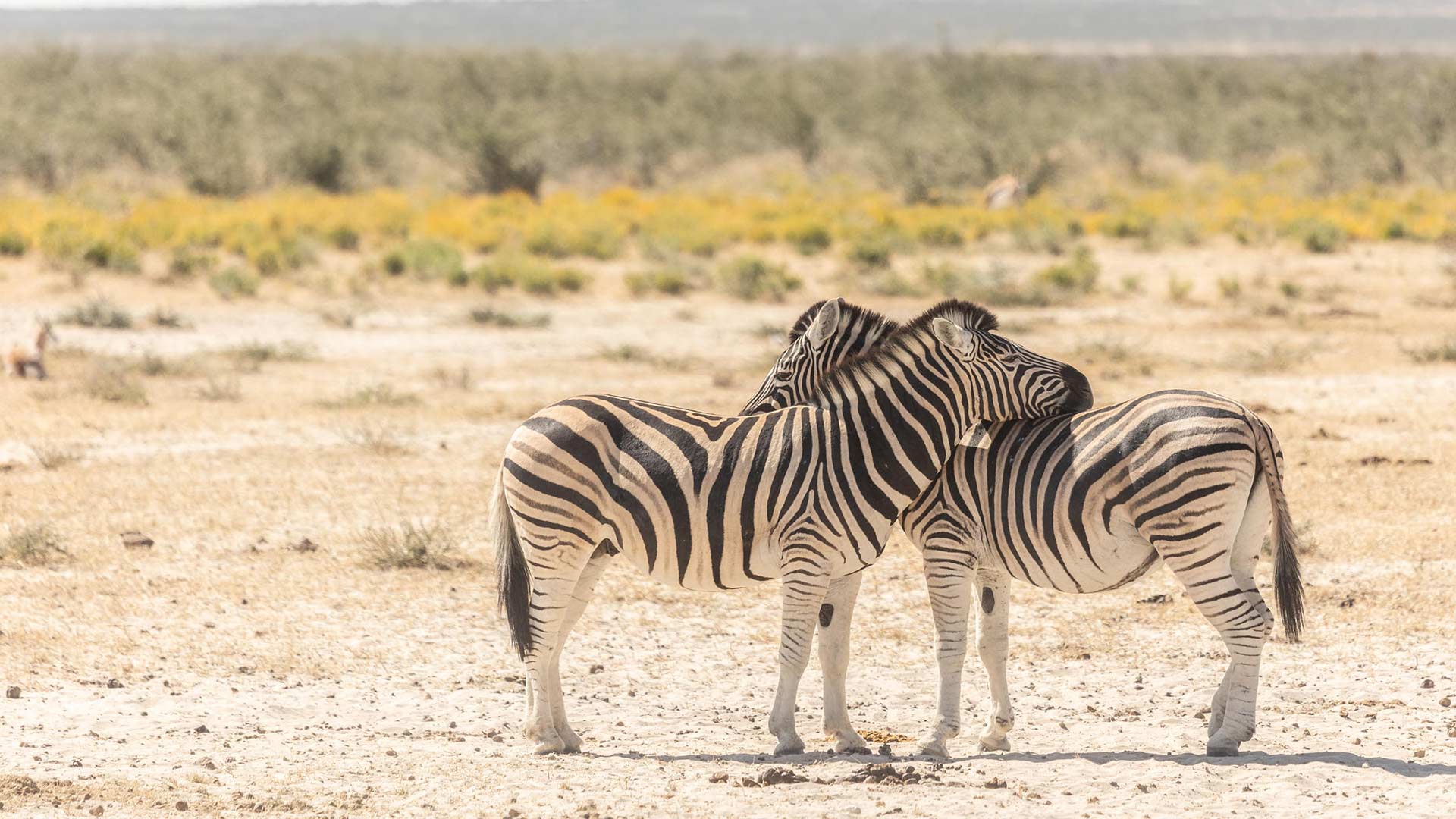
Etosha National Park spans approximately 8,500 sq mi in central northern Namibia and is one of southern Africa’s most important protected areas. The area was declared a national park as early as 1907 and is now one of the country’s most visited natural regions.
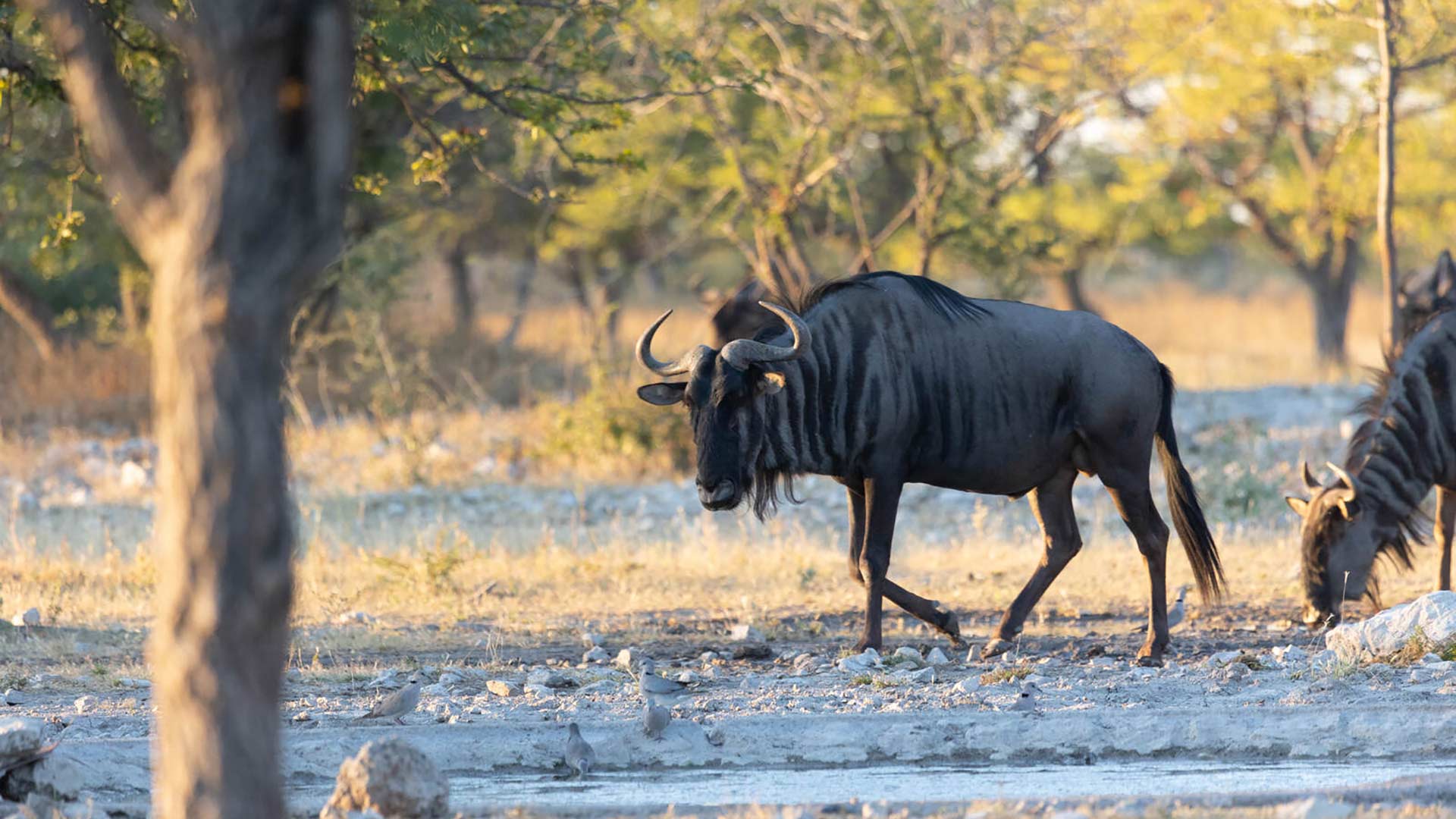
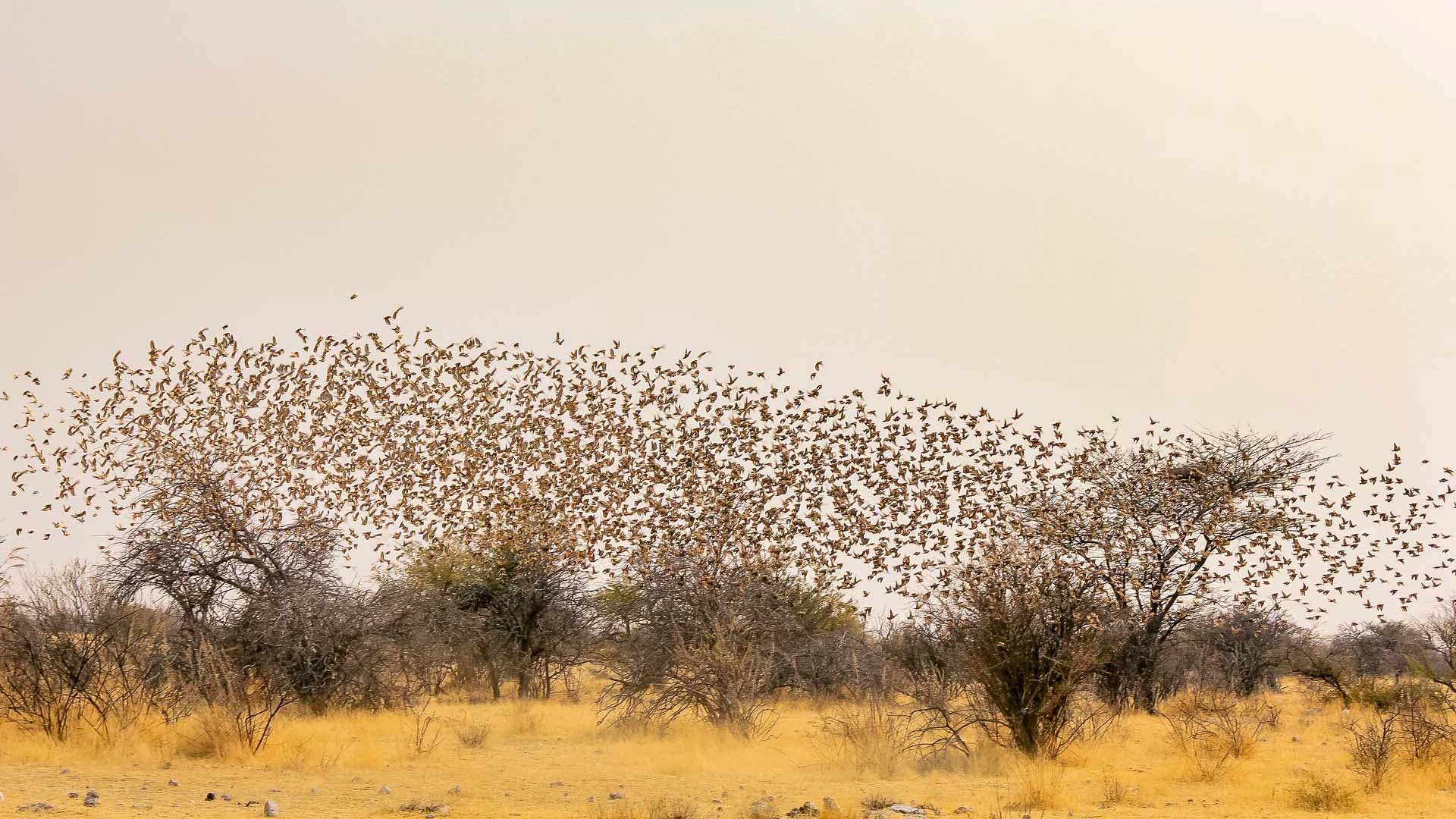
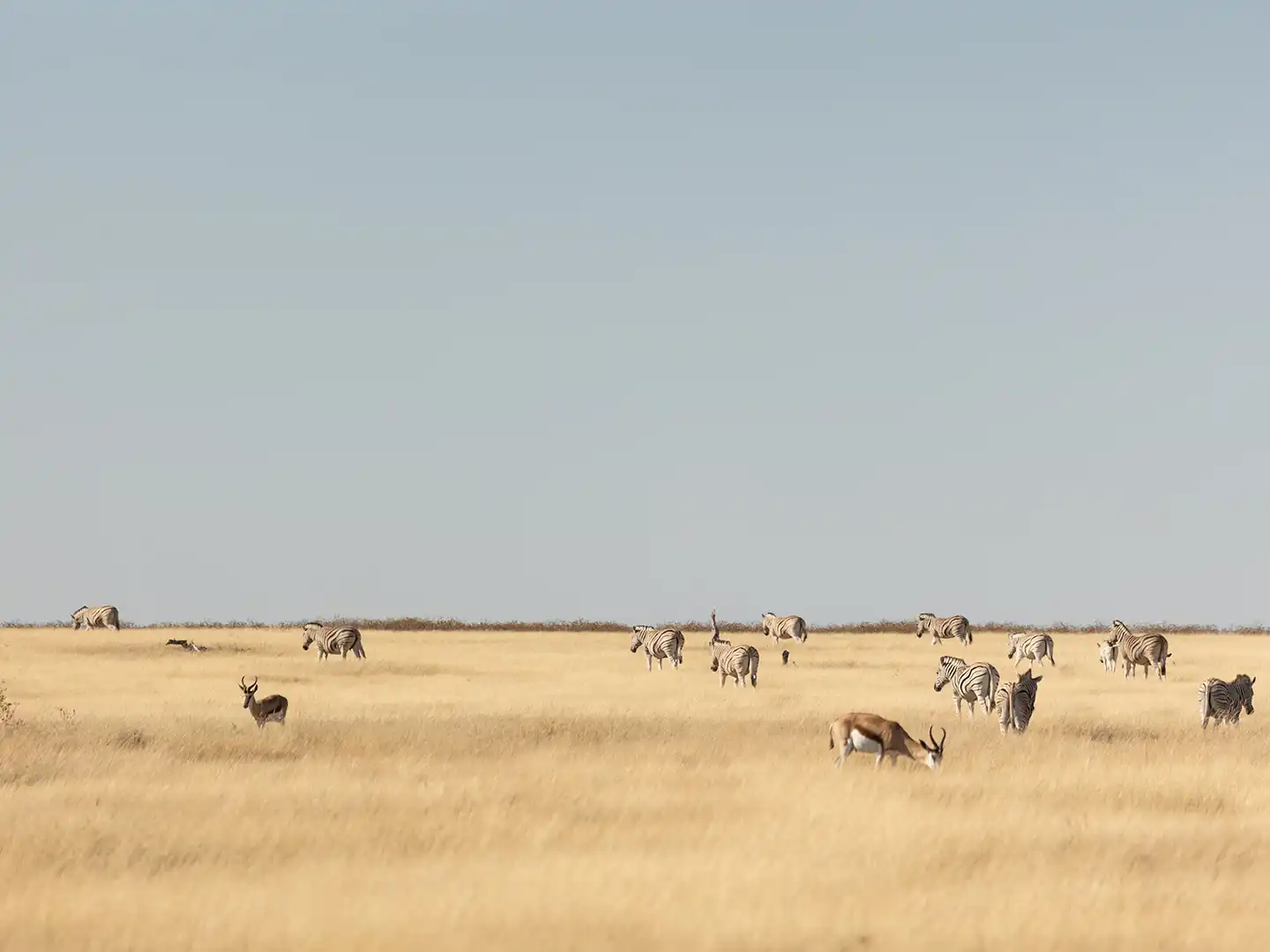
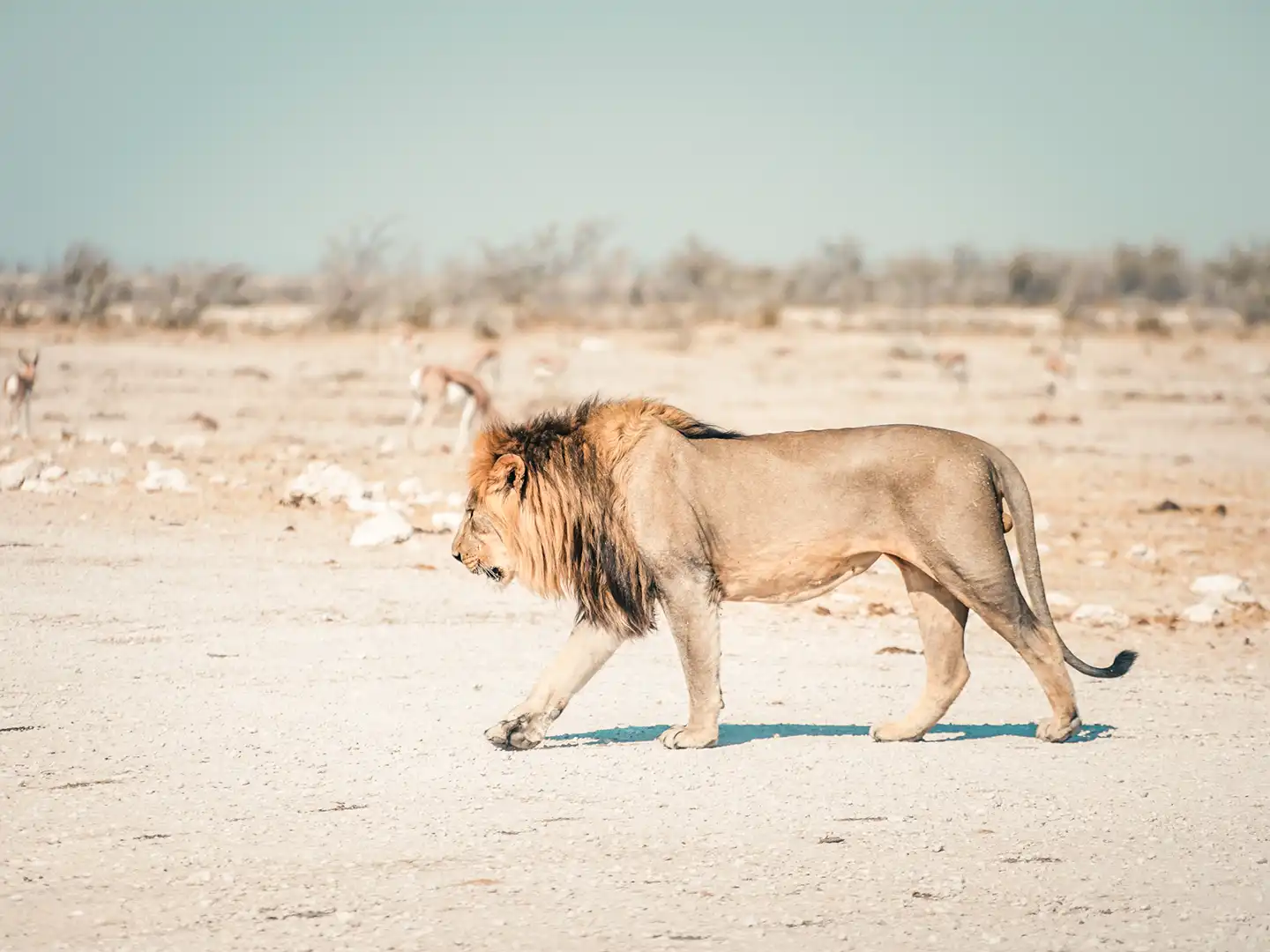
More than 100 mammal species, a multitude of reptiles, and around 340 bird species are native here. In years with high rainfall, the Etosha Pan fills with water and transforms into a shallow, expansive lake. Large flocks of water birds, including flamingos, then migrate to the region.
The Etosha Pan – an approximately 1,900 sq mi large, light clay pan that originated from a prehistoric inland lake and now forms the park’s center – gives the park its name. “Etosha” means “great white place” in the Ovambo language – an apt description for the vast, shimmering salt flat.
The surrounding landscape is characterized by grassland, bush vegetation, and open tree savanna. Numerous waterholes offer ideal conditions for wildlife viewing year-round, making the region one of Africa’s most impressive safari areas.
Swakopmund Region
Swakopmund Region
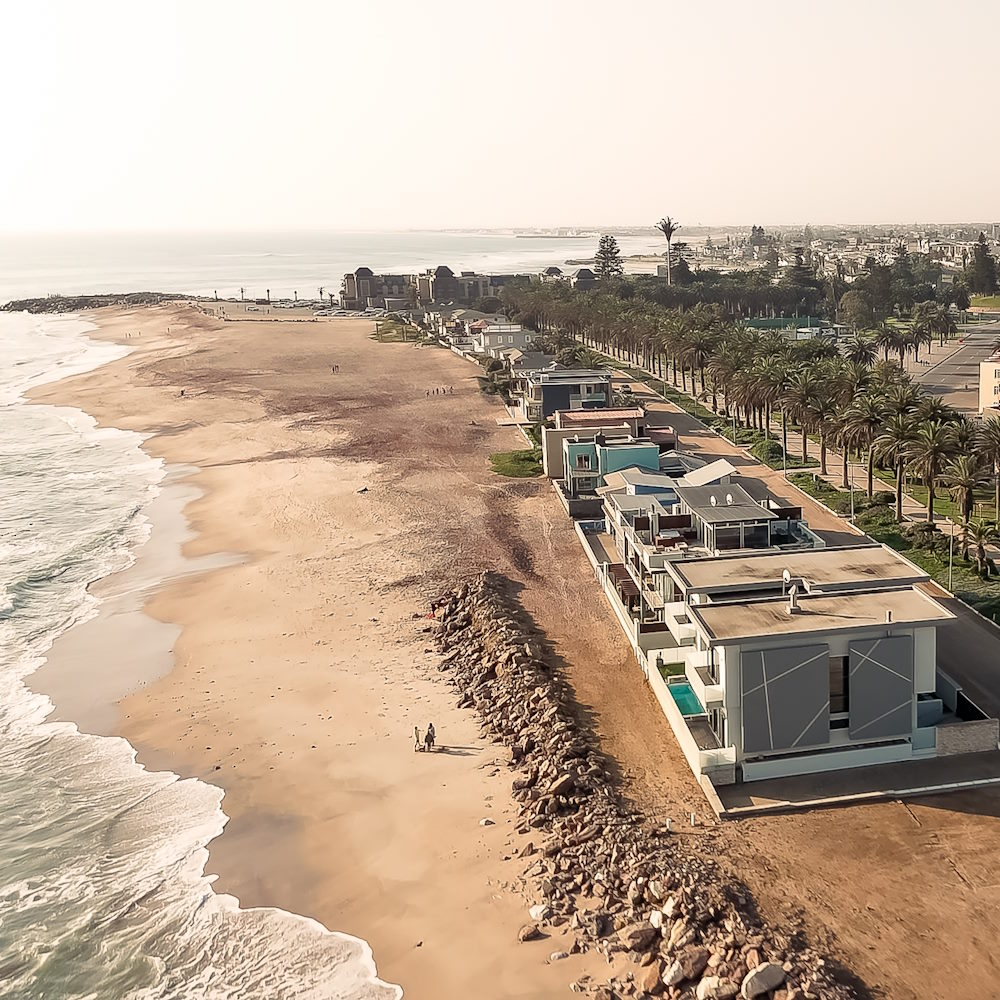
Swakopmund is located at the mouth of the Swakop River, which gives the city its name. It is usually dry and carries water underground. During the rainy season, water also flows above ground into the Atlantic.
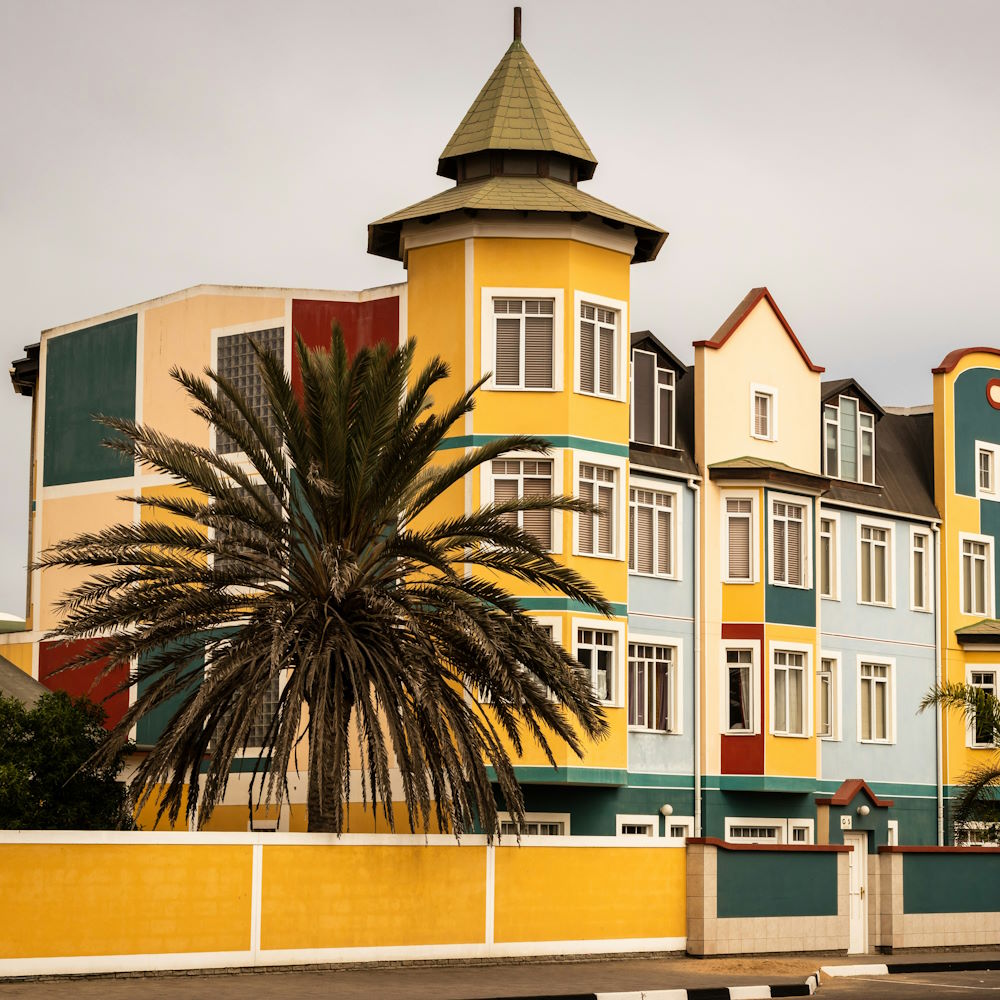
The city is shaped by its history as a colonial town. Some buildings from that era have survived to this day and appear as an unusual, almost foreign element in the overall picture of a vibrant African coastal city.
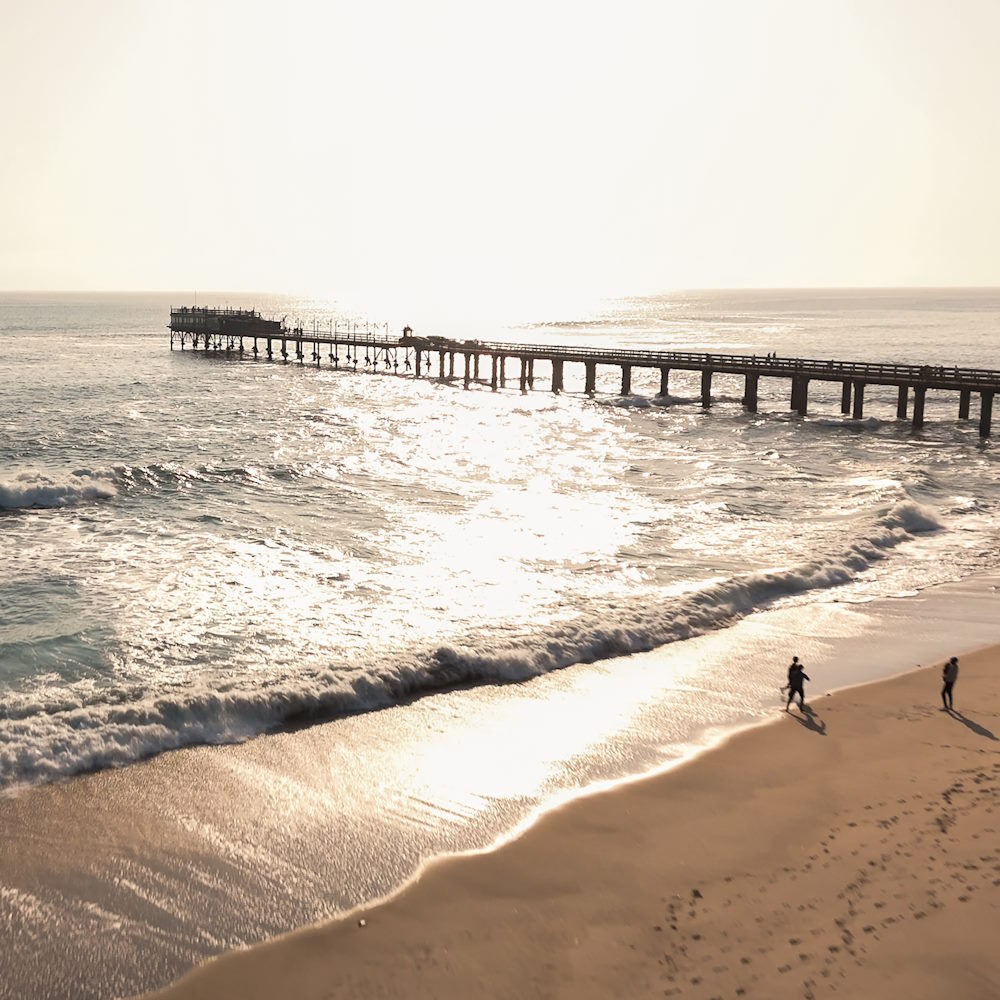
Located directly on the Atlantic coast, the desert meets the sea here. The cold Benguela Current off the coast ensures an extraordinary abundance of marine life, while on land, the seemingly hostile Namib spreads out – yet reveals an astonishing diversity of life upon careful observation.
The surroundings are also diverse: long beaches and boat trips along the coast. At the same time, the dunes around Swakopmund offer space for active experiences – from quad biking to sandboarding on the steep slopes of the Namib.
Windhoek Region
Windhoek Region
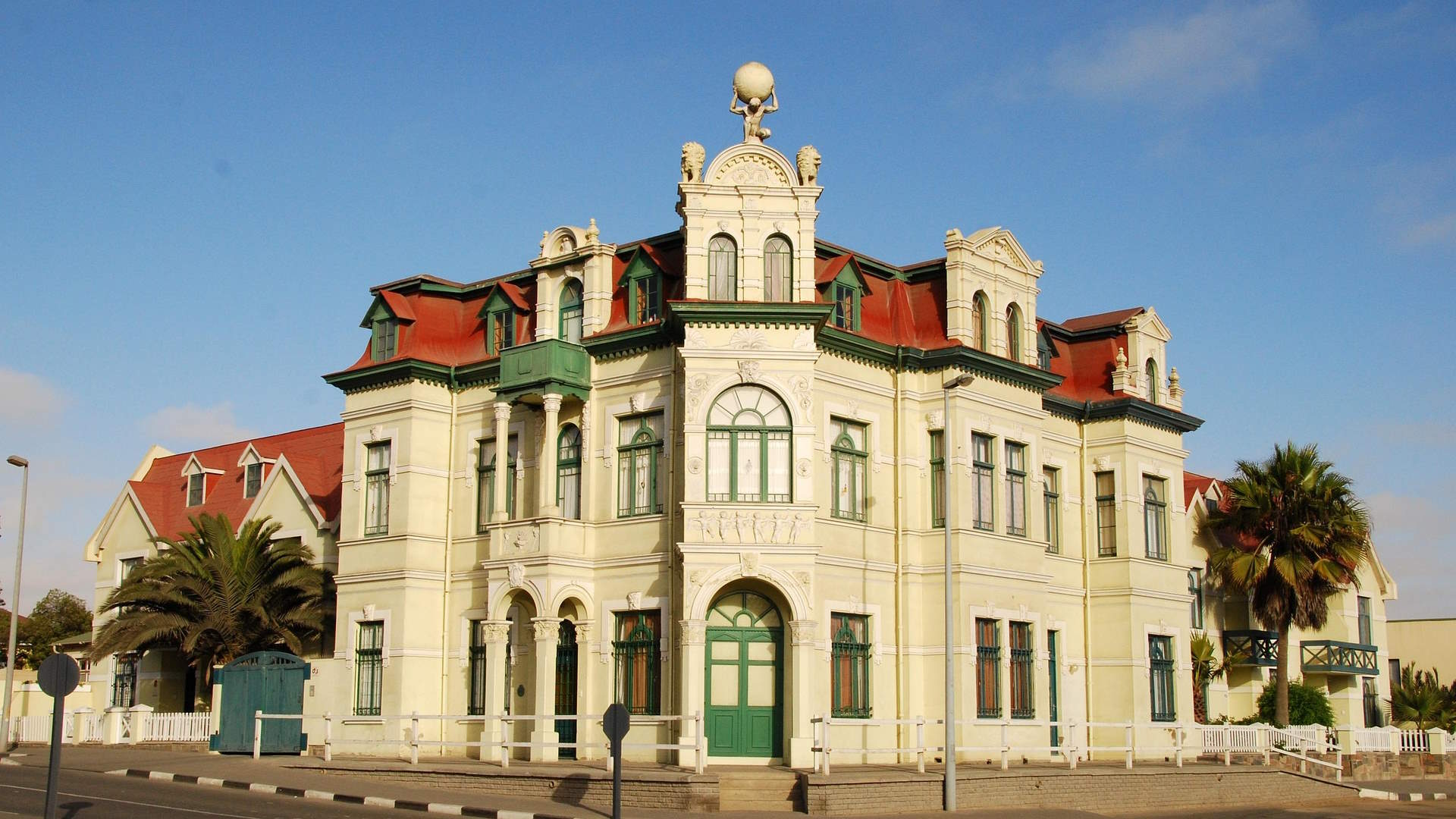
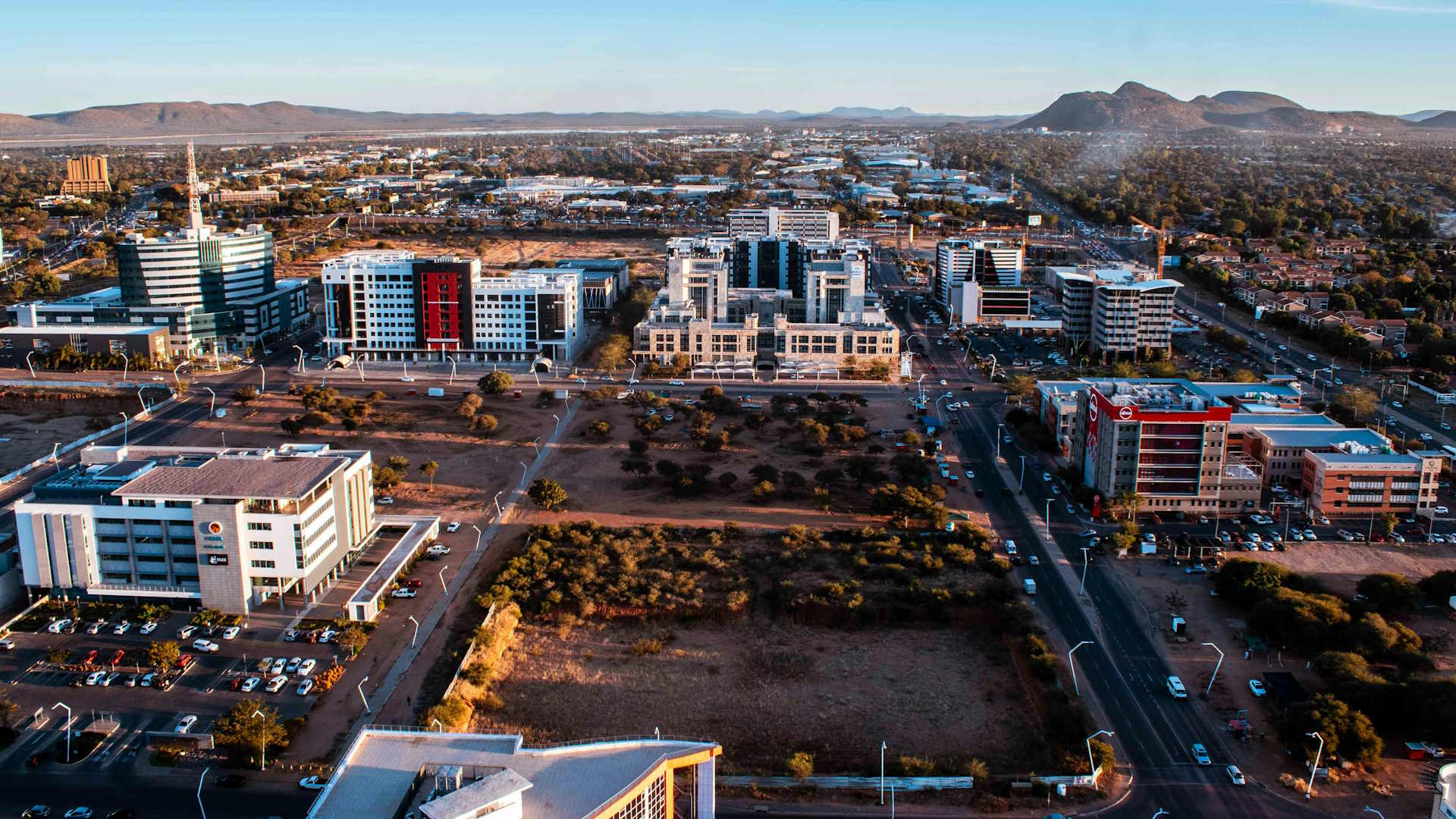
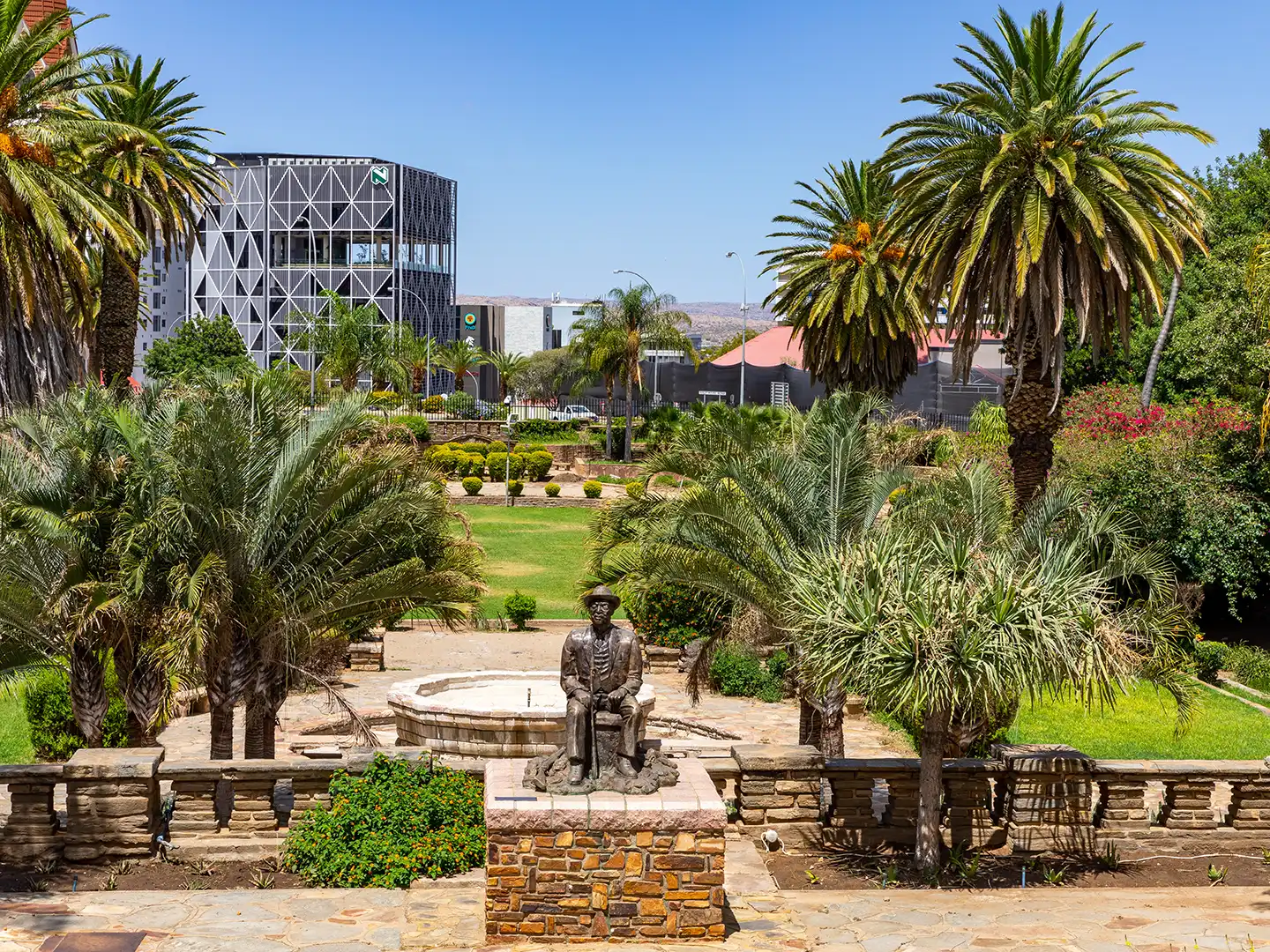
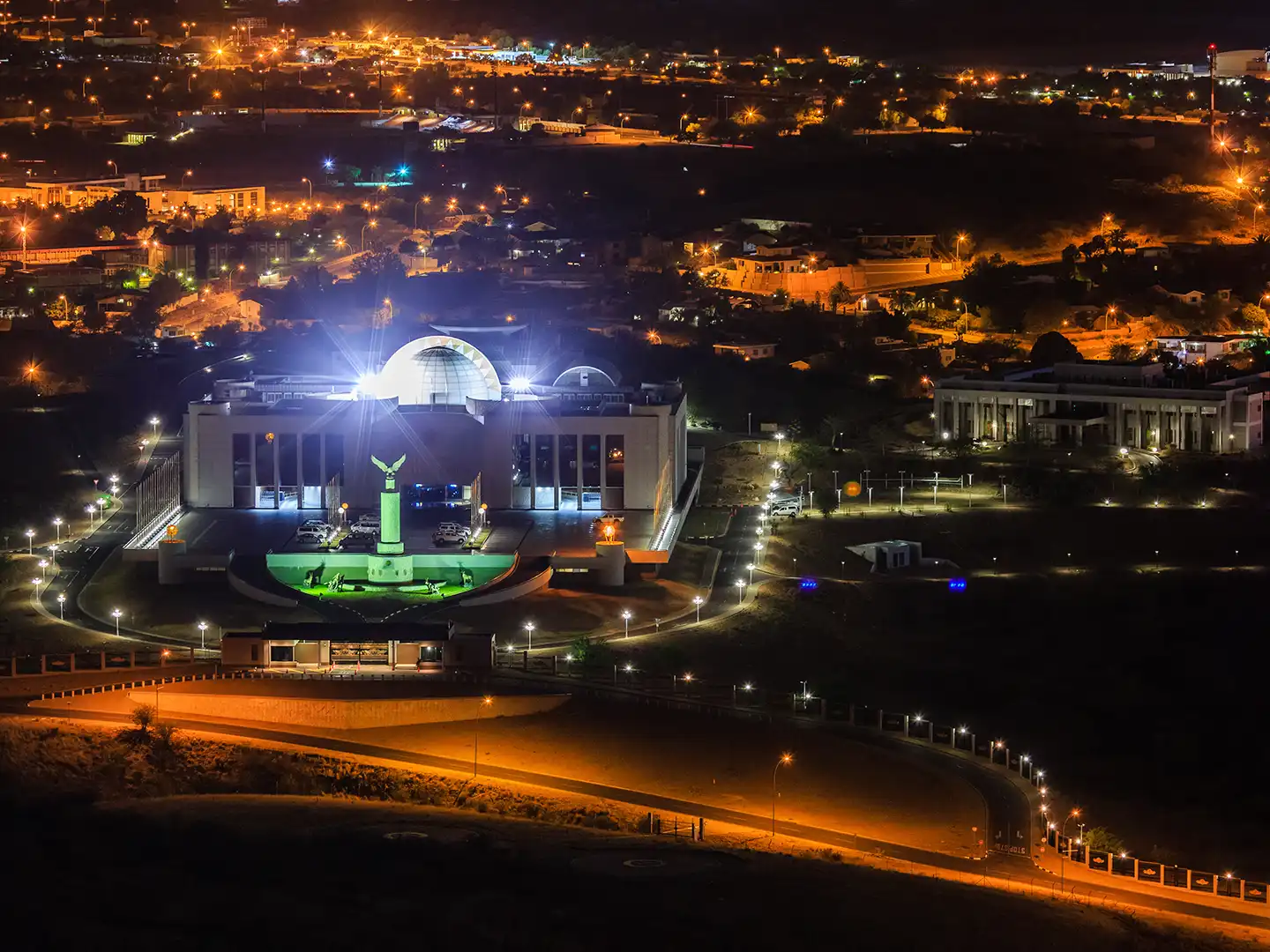
Windhoek is the capital and largest city of Namibia – the starting and ending point for many journeys through the country. The city combines colonial architecture with modern influences, appearing both manageable and expansive. Different ways of life converge here, shaping the cityscape as well as the country’s cultural diversity.
Along Independence Avenue are shops, cafes, and some of the city’s well-known buildings. However, many of the good restaurants are located somewhat off the main streets and are not always immediately apparent. A short transfer is often worthwhile here. City bus tours are one way to get an overview of the city. Ti Melen is also happy to assist with bookings here.
Windhoek is nestled in a mountainous surrounding area. The city’s name – “Windhoek,” literally “windy corner” – refers to its location and local climatic conditions. There are also worthwhile destinations around the city that can be easily integrated into your stay.